
The Philippines, known for its stunning natural beauty and vibrant culture, is also home to an alarming reality – it is highly susceptible to tsunamis. According to state seismologists, over half of the country’s provinces and nine cities in the National Capital Region are at risk of tsunamis.

Scan the QR code to get this post on the go.
It’s a stark reminder of the unpredictable forces of nature that can impact our lives. In this article, we’ll explore the regions at risk and the importance of preparedness.
Tsunami Vulnerability:
The Philippine Institute of Volcanology and Seismology (Phivolcs) has revealed that a staggering 66 out of 82 provinces in the Philippines are facing various tsunami risks. These provinces are primarily located along the eastern seaboard, which faces the Philippine Sea.
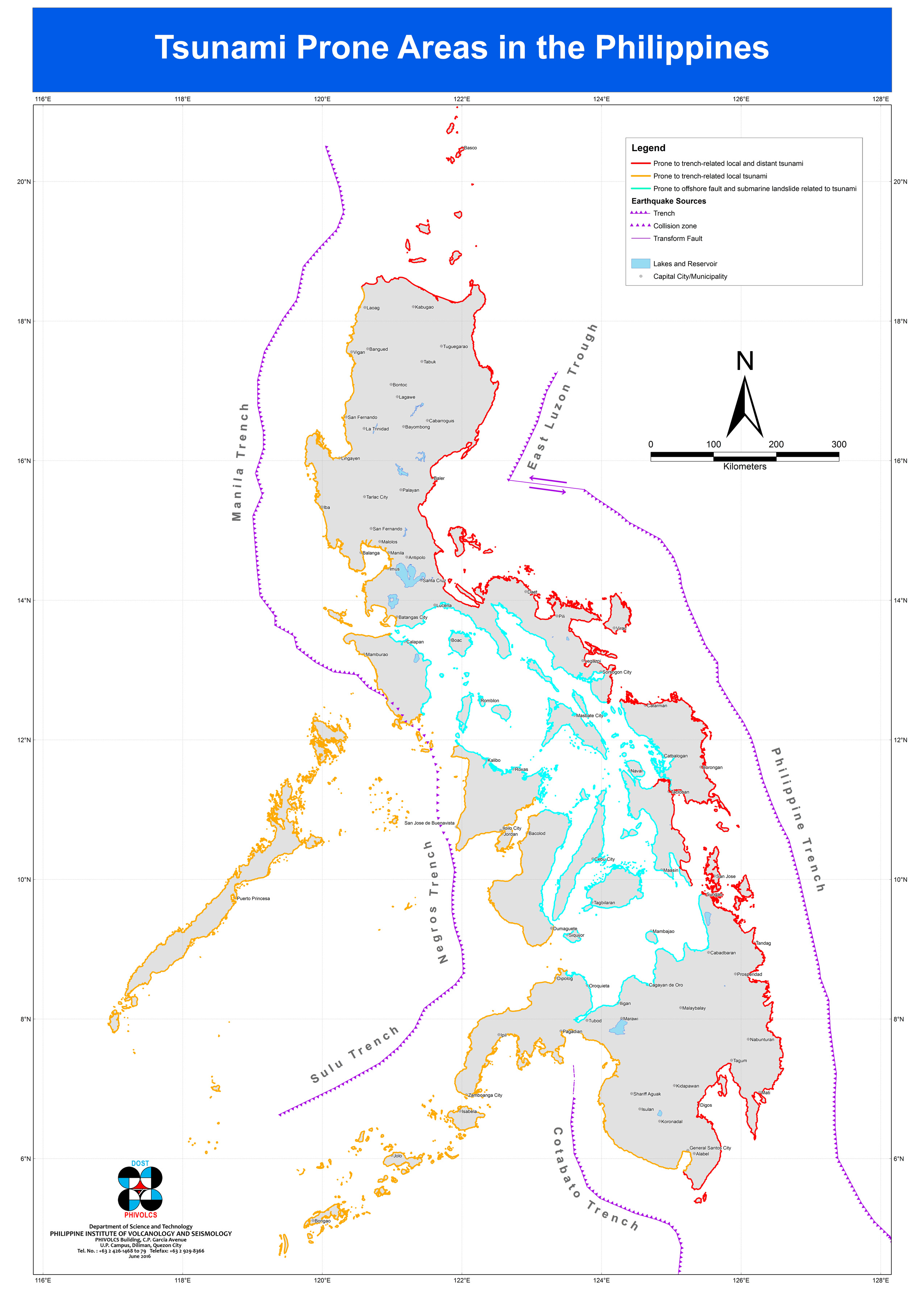
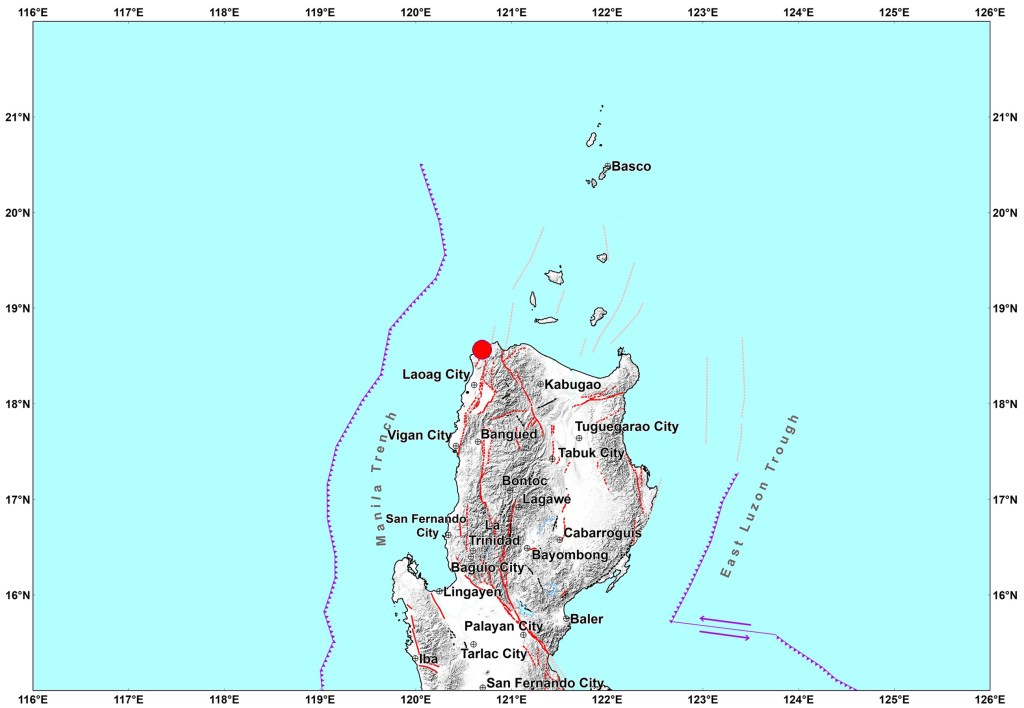
Additionally, coastal provinces bordering the West Philippine Sea are vulnerable to local tsunamis triggered by earthquakes from the Manila, Negros, and Sulu trenches.
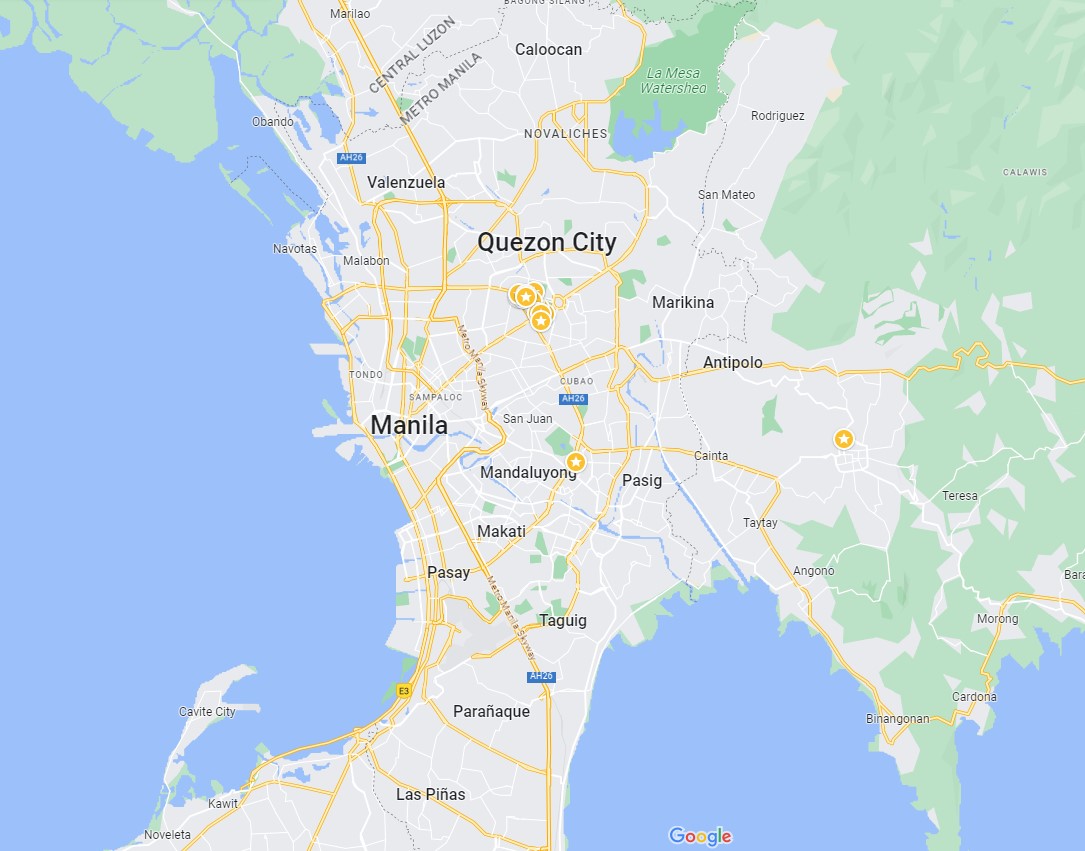
Bacolcol also stated that aside from the 66 provinces, nine cities in the Metro are also susceptible to this risk. These are: Caloocan, Las Piñas, Manila, Makati, Malabon, Navotas, Pasay, Parañaque, and Valenzuela.
Urban Concerns:
It’s not just the rural provinces; even the bustling metropolis of Metro Manila is not immune to this threat. Phivolcs Director Teresito Bacolcol has issued a grave warning that if a magnitude 8.3 earthquake were to occur along the Manila trench, tsunami waves as high as 3.5 meters could hit the coastlines. During high tide, these waves could surge to a frightening 5.5 meters. The floodwaters could reach up to 2.7 kilometers inland, causing significant devastation.

Historical Tragedies:
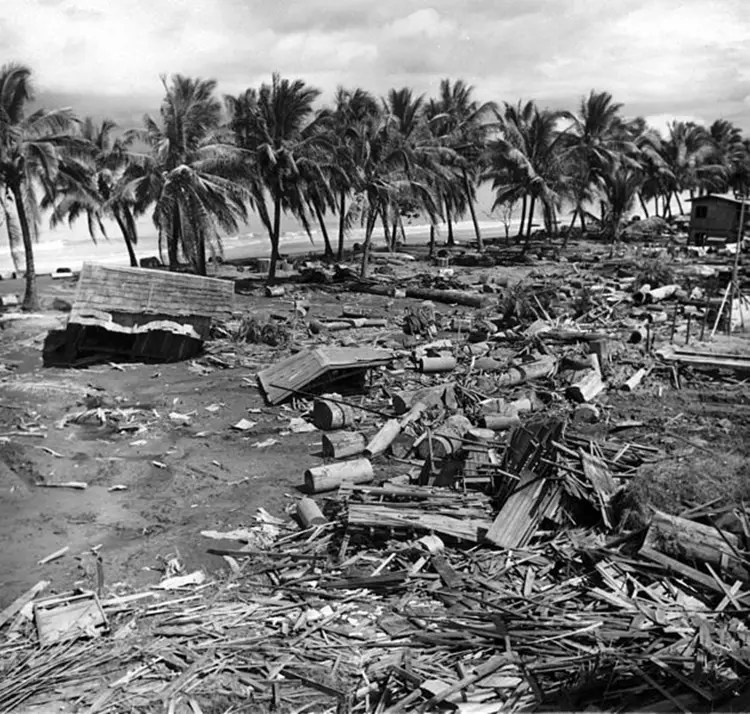
The Philippines has a somber history of tsunamis. In August 1976, a massive magnitude 8.1 earthquake in Moro Gulf led to tsunamis as high as 9 meters, resulting in the loss of over 3,000 lives and leaving at least 1,000 people missing. Another significant event occurred in November 1994 when a Mindoro earthquake generated tsunamis, claiming 49 casualties.
Further Reads
Deadliest Earthquake in The Philippines
Mitigation Efforts:
Phivolcs is not sitting idly by; they have implemented initiatives to mitigate the effects of tsunamis. One such effort includes hazard mapping, and as of now, they have successfully mapped 56 provinces. Their mission is far from over, with the remaining 10 provinces on their mapping agenda.

The alarming reality of tsunami risks in the Philippines is a reminder of the unpredictable forces of nature that we must respect and prepare for. It’s essential for residents, local governments, and the country as a whole to take proactive measures to ensure the safety and resilience of these vulnerable regions. Awareness, preparedness, and timely response can make all the difference when nature unleashes its power. Stay informed and be ready, as it’s better to be safe than sorry.
Source: CNNPH












 West Valley Fault
Leave a comment