


Scan the QR code to get this post on the go.
In a groundbreaking move, the Department of Science and Technology’s Food and Nutrition Research Institute (FNRI) is set to relocate its headquarters from the risk-prone North Complex to a safer haven at the South Complex in Bicutan, Taguig City. This strategic decision comes as a response to the institute’s current vulnerable position along the West Valley Fault Line.

Science Secretary Renato Solidum Jr. emphasized the significance of organizational safety during the groundbreaking ceremony, revealing that the FNRI’s current location in the North Complex places it directly above the West Valley Fault. “It’s not their fault that they built a building in the old days because their knowledge about the fault was not there yet,” he commented in Filipino.
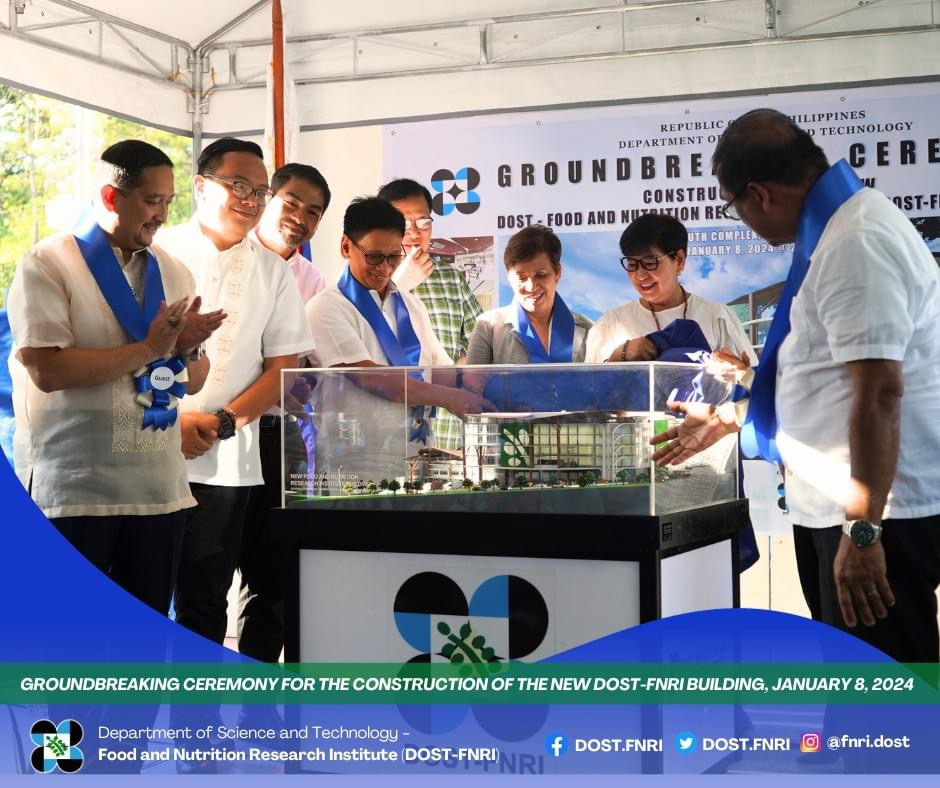
Dr. Imelda Angeles-Agdeppa, the director of DoST-FNRI, expressed relief at the impending move, likening it to the removal of a thorn. “If you ask me, I really got a thorn out. How much more with our staff, who are actually there?” she added, highlighting the potential dangers posed by the FNRI’s current proximity to the fault line, especially considering their work with flammable agents in laboratories.
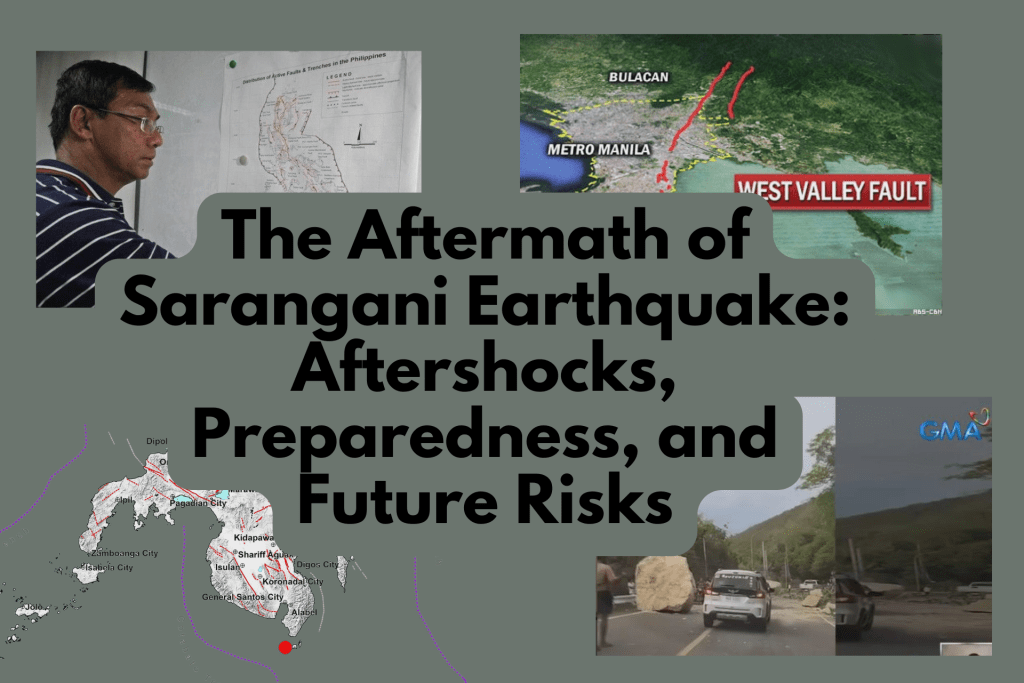
The West Valley Fault, spanning Bulacan, Rizal, Metro Manila, Cavite, and Laguna, poses a serious threat with the potential for magnitude 7.2 earthquakes, commonly referred to as “The Big One.” The Philippine Institute of Volcanology and Seismology warns of the catastrophic impact on people, infrastructure, and livelihoods in the affected areas.
In light of this proactive measure by the FNRI, Secretary Solidum urged both public agencies and private establishments to evaluate their locations in relation to fault lines. “Not only for government organizations but also for private buildings or houses,” he stressed. “We have been given guidance not to continue the construction or plan so that the lives of those who use the building will not be put in danger.”
The FNRI’s new headquarters, projected to be “modern, functional, safer, earthquake-resistant, and green,” is estimated to cost P2 billion for construction and is expected to be completed within three to five years. This move aligns with a broader initiative to ensure the safety of institutions and individuals situated in earthquake-prone zones.
Stay tuned for updates on this pivotal relocation that prioritizes safety and sets a precedent for others in high-risk areas.
Source: DailyTribune
















 West Valley Fault
Leave a comment