

Scan the QR code to get this post on the go.
The Philippines, an archipelagic nation located in the Pacific Ring of Fire, is no stranger to seismic activity. The archipelago is situated along the convergence of several tectonic plates, making it susceptible to earthquakes and volcanic eruptions. One of the most anticipated seismic events in the region is often referred to as “The Big One.” This moniker represents a massive earthquake that could potentially strike the Philippines with devastating consequences. In this article, we delve into the science behind The Big One, the fault lines at play, potential intensity, affected regions, and the severe damages it may cause.
The Science Behind The Big One
The Philippines is located at the junction of the Pacific Plate, the Philippine Sea Plate, and the Eurasian Plate. The complex interactions between these tectonic plates result in the formation of various fault lines throughout the country. The movement of these plates is not uniform, and stress can build up along fault lines over time. When the accumulated stress exceeds the strength of the rocks, it can cause a sudden release of energy in the form of an earthquake. The event is known as a “megathrust earthquake.”

Faults at Play
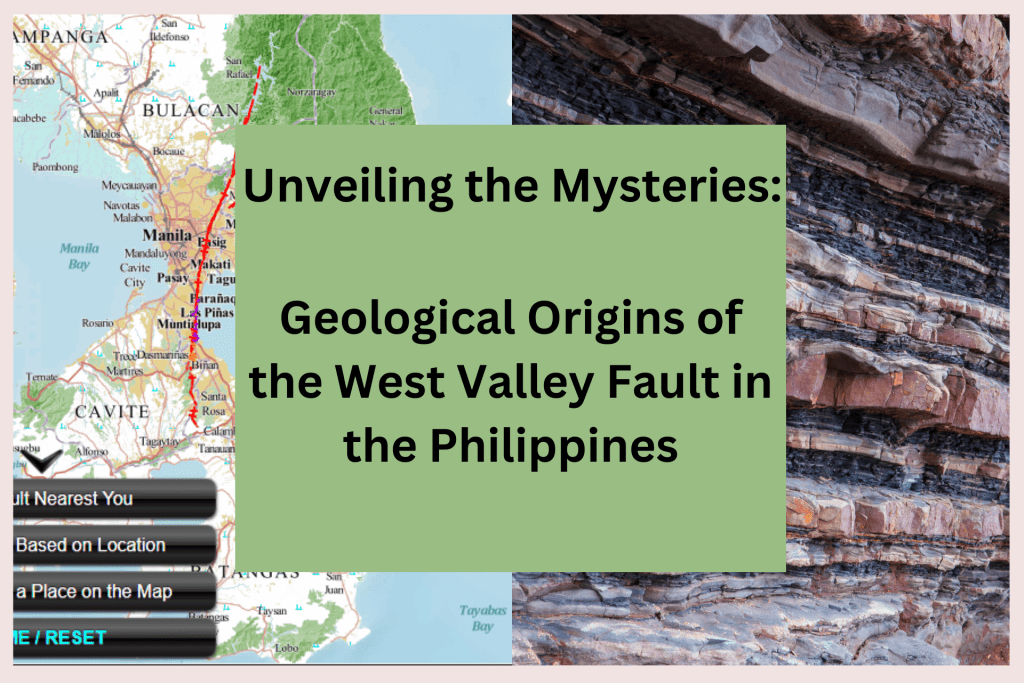
One of the key fault systems that contributes to The Big One scenario is the West Valley Fault. This fault spans approximately 100 kilometers through six cities in the Greater Metro Manila area. The West Valley Fault has a history of generating major earthquakes, with a recurrence interval estimated at around 400 years. The last significant earthquake along this fault occurred in the 1600s, prompting concerns that the region is overdue for another major seismic event.
Intensity and Potential Impact
Seismic experts and geologists have warned that The Big One could potentially be a magnitude 7.2 earthquake or even stronger. The resulting intensity of the earthquake could have catastrophic consequences, including widespread destruction of buildings, infrastructure, and loss of lives. The Greater Metro Manila area, home to more than 12 million people, is at significant risk due to its proximity to the West Valley Fault. The densely populated region’s vulnerability stems from inadequate infrastructure preparedness, weak building structures, and population density.
Seismic experts and geologists have warned that The Big One could potentially be a magnitude 7.2 earthquake or even stronger.
Affected Regions and Damages
The impact of The Big One is not limited to Metro Manila. The surrounding regions, including parts of Central Luzon and Southern Tagalog, would also experience significant shaking. Additionally, the ripple effects of the earthquake could trigger tsunamis, landslides, and other secondary hazards that would exacerbate the devastation.
The damages caused by The Big One could include:
Structural Collapse: Unreinforced or poorly constructed buildings would be especially susceptible to collapsing, leading to potential loss of life and massive damage to property.
Infrastructure Disruption: Roads, bridges, and other critical infrastructure could be severely damaged, hindering emergency response efforts and recovery.
Economic Impact: The destruction of property and disruption of businesses could have long-lasting economic consequences for the affected regions.
Displacement of People: The earthquake could render many people homeless and lead to significant displacement, straining available resources and emergency shelters.
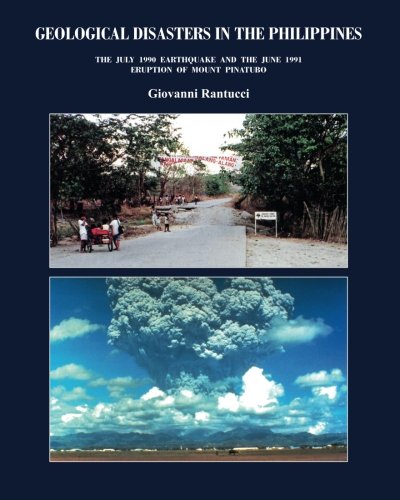
Geological Disasters in the Philippines: The July 1990 Earthquake and the 1991 Eruption of Mount Pinatubo
Preparedness and Mitigation
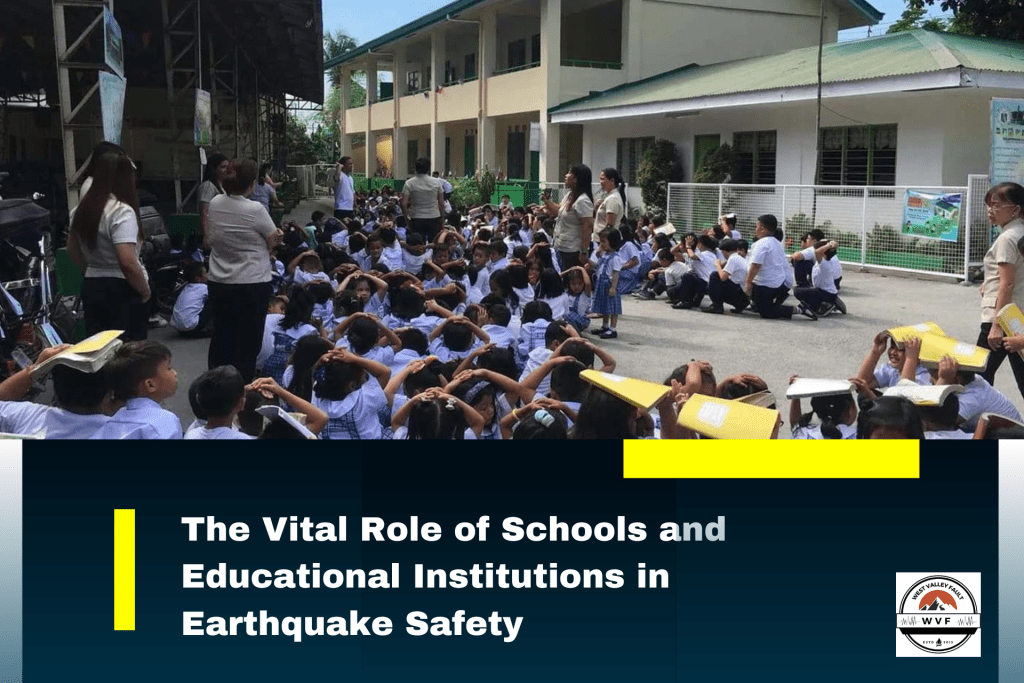
In recent years, the Philippine government and various organizations have been working to raise awareness about earthquake preparedness. Initiatives include public education campaigns, simulations, and drills to ensure that residents know how to respond in the event of a major earthquake. Retrofitting and strengthening critical infrastructure and buildings are also important steps in reducing potential damages.
Conclusion
The looming threat of The Big One underscores the necessity for continuous efforts to enhance earthquake preparedness, public awareness, and infrastructure resilience. The scientific understanding of the tectonic forces at play, combined with proactive measures, can help mitigate the potential devastation and safeguard the lives of millions of people in the Philippines. As the nation strives to build a safer future, collaboration between government, communities, and experts remains crucial in the face of this seismic challenge.
Source:
The Big One: Facts About the “Deadly” 7.2 Magnitude Earthquake
Megathrust earthquake – Wikipedia
Phivolcs
Earthquakes’ Impacts on Society
The Social and Economic Consequences of Earthquakes











 West Valley Fault
Leave a comment