
Scan the QR code to get this news on the go.
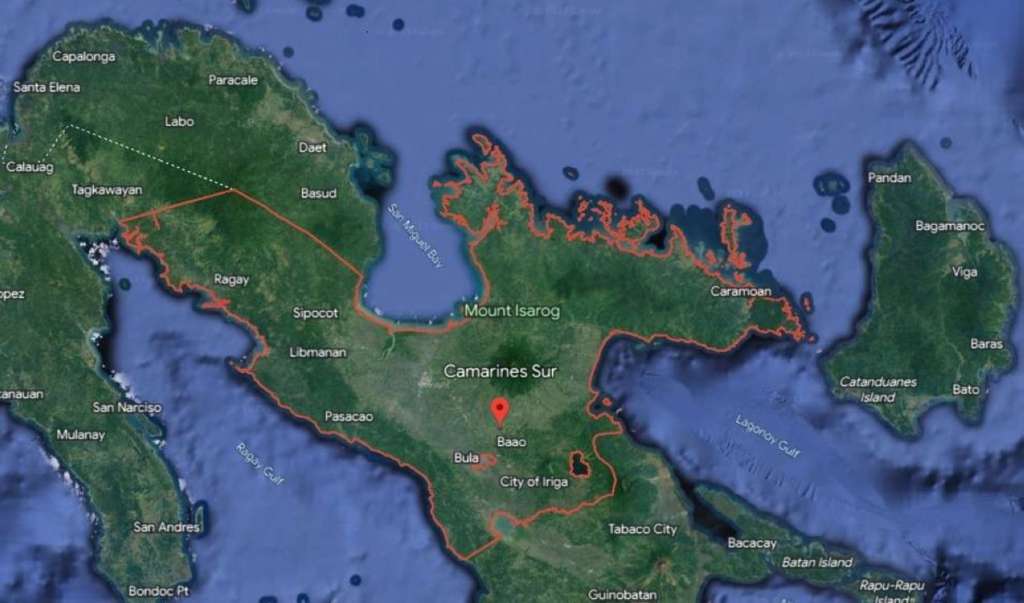
The town of Camarines Sur has been experiencing tremors since Saturday, August 19 according to the Philippine Institute of Volcanology and Seismology (Phivolcs).
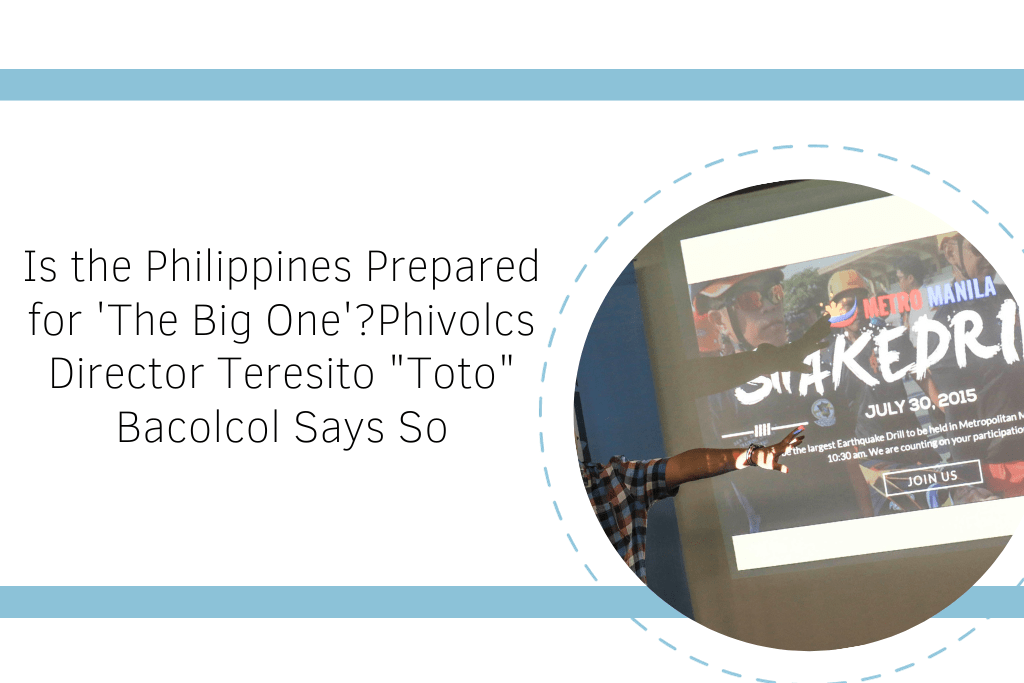
With about 50 tremors so far Phivolcs director Teresito “Toto” Bacolcol stated that it may be a precursor to a bigger one.
Bacolcol explained that an earthquake swarm may vary in duration and outcome. An earthquake swarm is a short-lived sequence of minor to light earthquakes and the strongest so far recorded in the area was a magnitude 4.4 last Aug 19.
He ruled out volcanic activity stating that the earthquake swarm to be clearly tectonic in origin.
The agency pointed out that the ongoing cluster of earthquakes is being caused by a strike-slip fault. This is a kind of fault with a dominant horizontal movement.

Scenarios based on History
From December 13, 1993 to October 16,2021 two earthquake swarms occurred in the same province. Bacolcol cited this as one scenario of what could be happening in the area.
The other he said was the magnitude 7.0 Ragay Gulf earthquake that occurred on March 17, 1973. This was generated by the Guinayangan Segment of the Philippine Fault. Seven significant earthquakes with magnitudes of 6.0 to 7.4 shook the province and the nearby vicinity from 1811 to the present. An earthquake swam could be a signal that a stronger one is about to happen, a second possible scenario.
Geology
Based on the data of the area he said that the province of Camarines Sur is situated in a seismically active region due to the presence of active faults that include the Legaspi Lineament and the offshore segments of the Philippine Fault in Ragay.

Geological Disasters in the Philippines: The July 1990 Earthquake and the 1991 Eruption of Mount Pinatubo
However, other local faults might exist in close proximity to the above-mentioned fault but could be concealed by recent deposits. These faults have the potential to generate minor to strong earthquakes according to the agency.
Danger Awareness
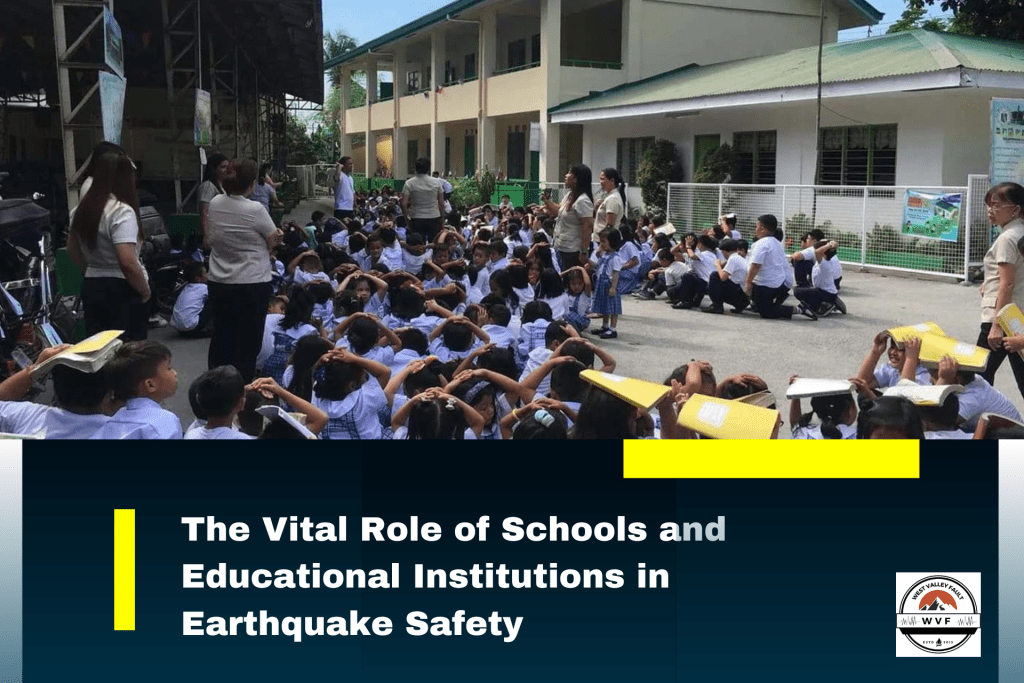
Phivolcs is advising people in the affected communities to follow the standard “drop, cover, and hold” practice and to secure heavy furniture, appliances, and hanging objects.

Aside from the shaking of the ground, there can be landslides and rockfalls in mountainous areas. Liquefaction may also “affect low-lying, water-saturated, and sandy areas” which are near bodies of water. Liquefaction is a process where sediments “behave like liquid, similar to quicksand.”
Local authorities were being called on to inspect buildings and infrastructure for any sign of damage.
Phivolcs is downplaying the possibility of a tsunami should a much larger event occur since the epicenters of the earthquakes are inland. They however warned of “localized sea-level disturbances…as a result of extreme ground shaking resonating along bays.”
Source: Rappler/TheManilaTimes/Phivolcs










 West Valley Fault
Leave a comment