
In an age where digital platforms have seamlessly integrated into our lives, the role of social media during natural disasters has become increasingly significant. In the Philippines, a country prone to seismic activity, the impact of social media in the aftermath of an earthquake is nothing short of remarkable.

Scan the QR code to get this post on the go.
This article delves into the crucial role that social media plays during earthquakes, focusing on the Philippines while considering its broader applications worldwide.
The Philippines: A Seismic Hotspot
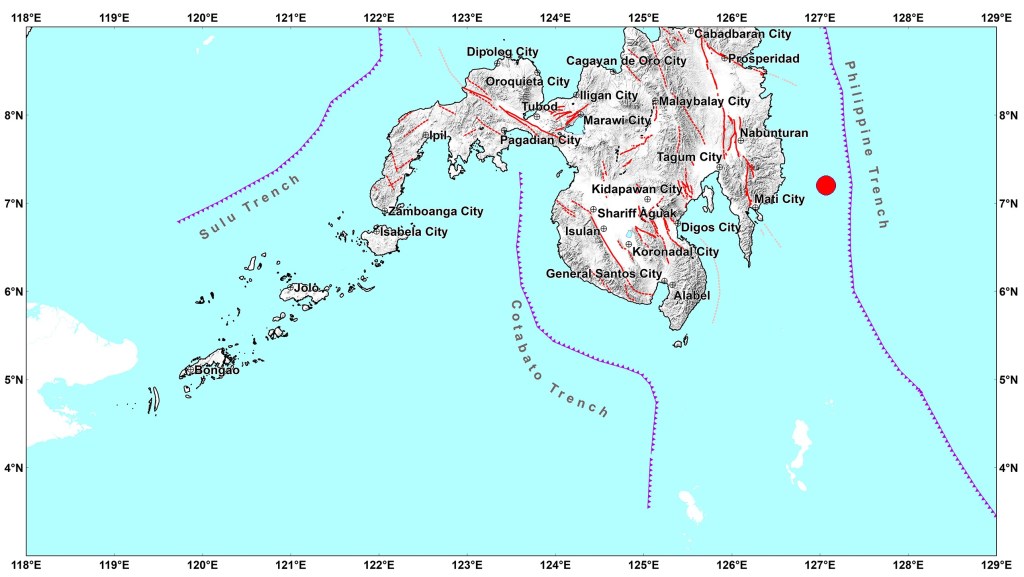
The Philippines is situated along the Pacific Ring of Fire, an area characterized by high tectonic activity. This geographical location makes it susceptible to frequent earthquakes and volcanic eruptions. Over the years, the country has experienced devastating earthquakes, such as the 2013 Bohol earthquake and the 1990 Luzon earthquake.
Real-Time Information and Early Warnings
Social media, particularly platforms like Twitter, Facebook, and WhatsApp, have become invaluable tools for disseminating real-time information during earthquakes. The rapid spread of information through these platforms enables citizens to stay updated on the earthquake’s magnitude, location, and potential aftershocks.
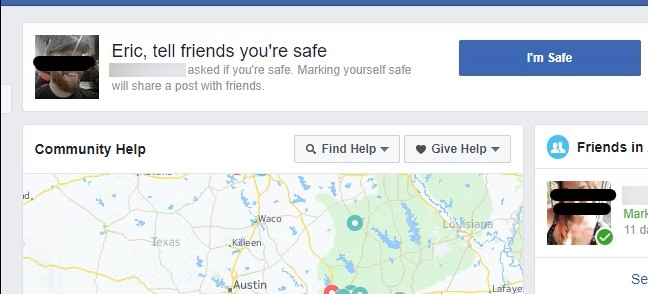
Government agencies, seismologists, and local organizations use social media to issue early warnings and safety instructions, empowering people to take immediate action.
Social media humanizes natural disasters by sharing stories of survival, heroism, and resilience.
Community Support and Coordination
During and after an earthquake, social media acts as a vital link for individuals to seek and offer assistance. People use platforms like Facebook and Instagram to share their locations and status, ensuring the safety of their loved ones.
Volunteer groups, such as the “Bayanihang Bayan” in the Philippines, rapidly coordinate relief efforts and mobilize resources via social media. This has proven essential in saving lives and providing timely aid to affected areas.
Social media has also been used to raise funds for earthquake victims. People can donate money through crowdfunding platforms such as GoFundMe or directly to organizations such as the Philippine Red Cross.
Human Stories and Solidarity
Social media humanizes natural disasters by sharing stories of survival, heroism, and resilience. These platforms allow survivors to share their experiences, offering hope and solace to others in distress. Furthermore, social media encourages global solidarity, with people around the world expressing support and offering assistance, both financially and emotionally.
Challenges and Misinformation
While social media serves as a lifeline during earthquakes, it also presents challenges. False information, rumors, and unverified reports can spread rapidly, causing panic and confusion. It is essential for users to verify information from trusted sources and rely on authoritative accounts, such as government agencies or renowned news outlets, for accurate updates.
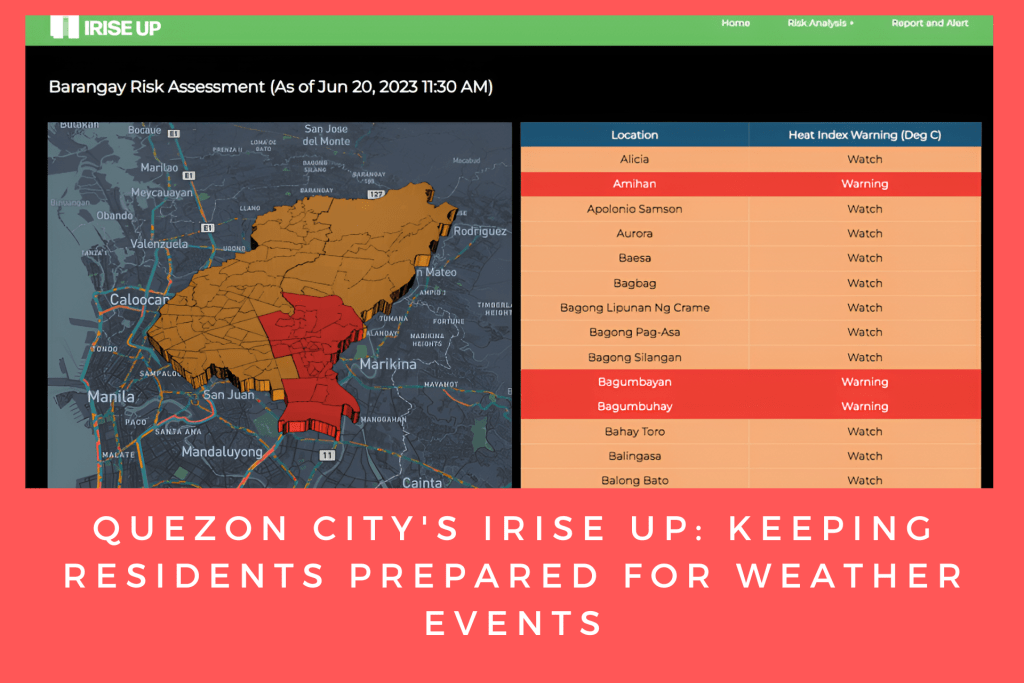
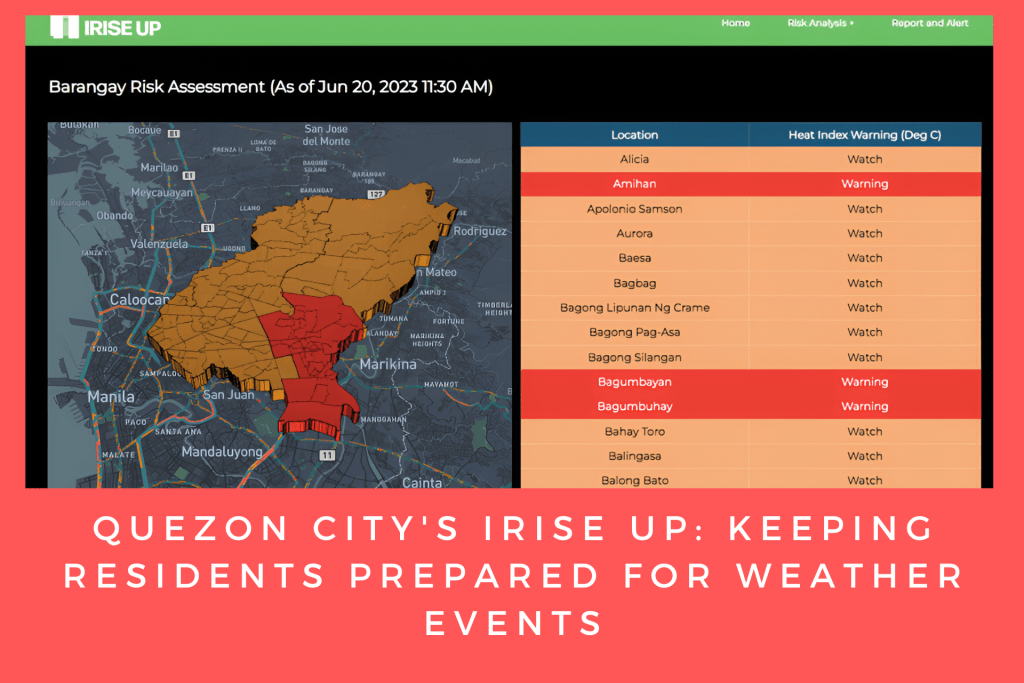
Discover how Quezon City’s iRISE UP early warning system is transforming disaster risk reduction with real-time weather monitoring, flood alerts, and innovative technology.
Global Application
The role of social media during earthquakes extends far beyond the Philippines. Social media platforms have played pivotal roles in disaster response worldwide.
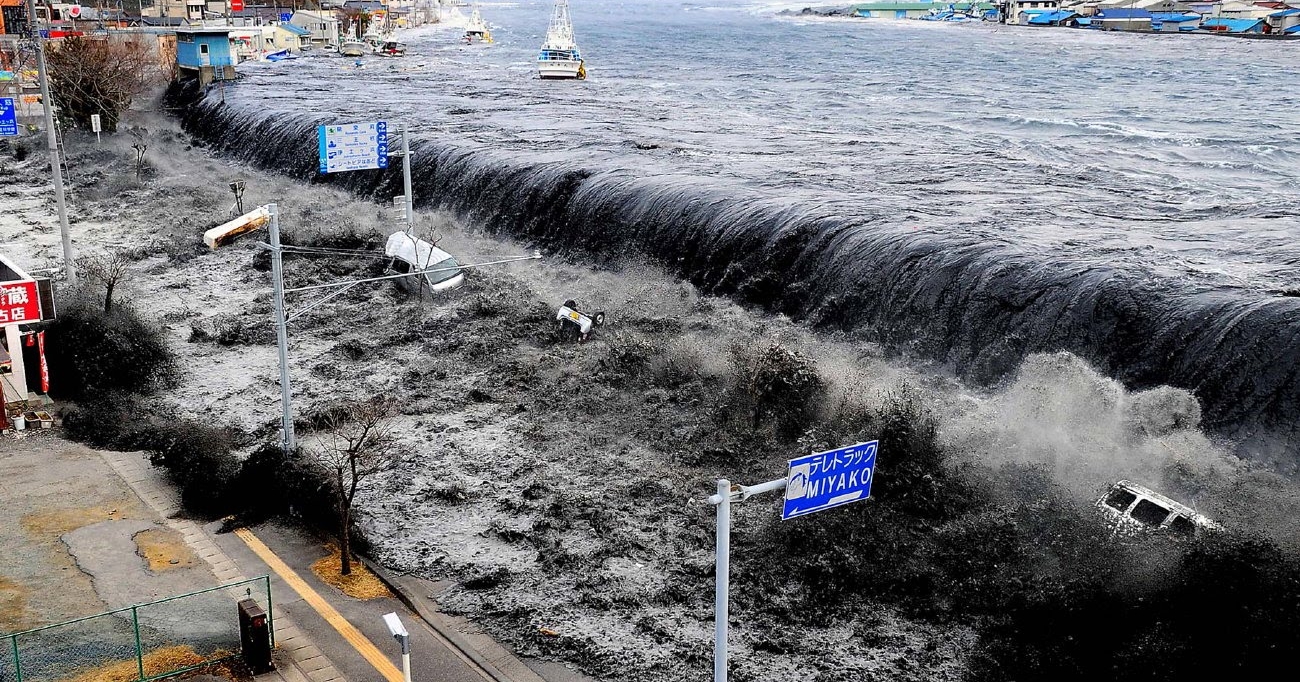
During the 2011 earthquake and tsunami in Japan, Twitter was a lifeline for survivors and aid organizations. Similarly, during the 2015 Nepal earthquake, Facebook’s Safety Check feature helped people inform their loved ones of their safety.
In the face of natural disasters, the Philippines and the rest of the world can harness the power of social media for rapid information dissemination, coordinating rescue efforts, and offering emotional support.

The role of social media during earthquakes cannot be understated, especially in the Philippines. It has become a vital tool for real-time information sharing, coordination of aid efforts, and fostering a sense of community and global solidarity. While challenges like misinformation persist, when used responsibly, social media serves as a beacon of hope and support during times of crisis.
As we move forward into an increasingly digital age, understanding the importance of social media in disaster response is crucial. The Philippines, with its vulnerability to earthquakes, has demonstrated how social media can be a lifeline, and its lessons can benefit regions worldwide that face similar challenges.
Role of Social Media in Earthquake: A Systematic Review”, Iran Red Crescent Med J., vol. 23, no. 5, May 2021
Social Media Is Revolutionizing Disaster Response, Expert Says”, The Weather Channel
Social Media Use in the Face of Disaster”, Natural Hazards Center









 West Valley Fault
Leave a comment