

Scan the QR code to get this post on the go.
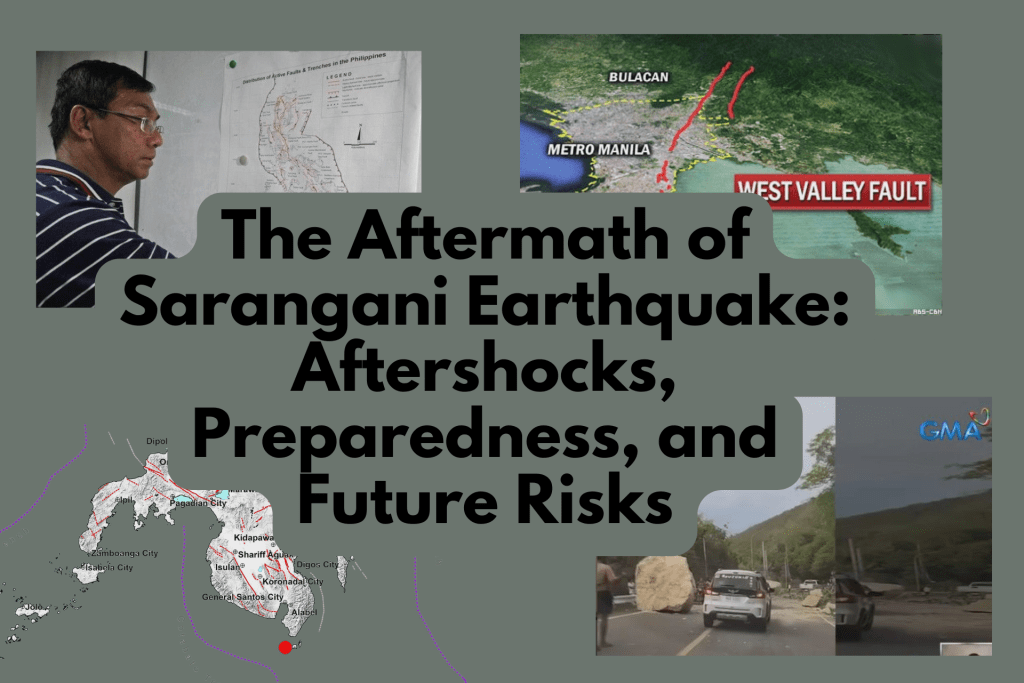
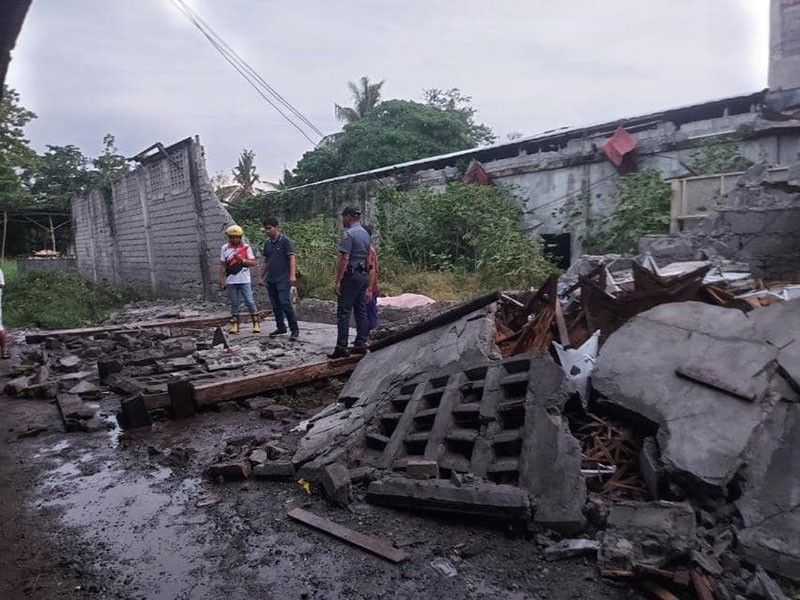
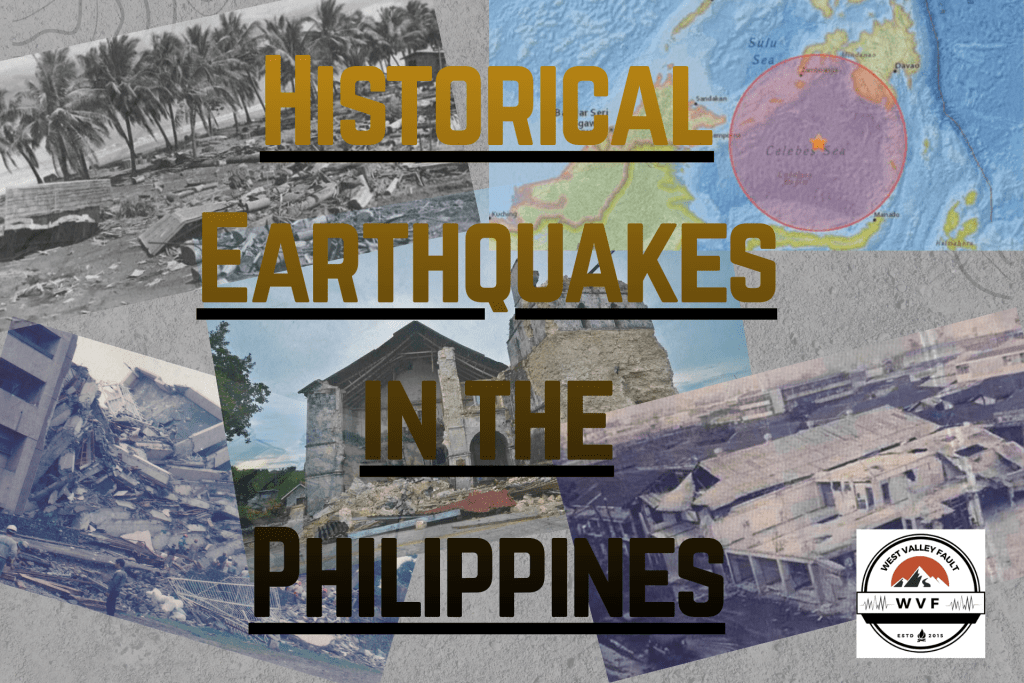
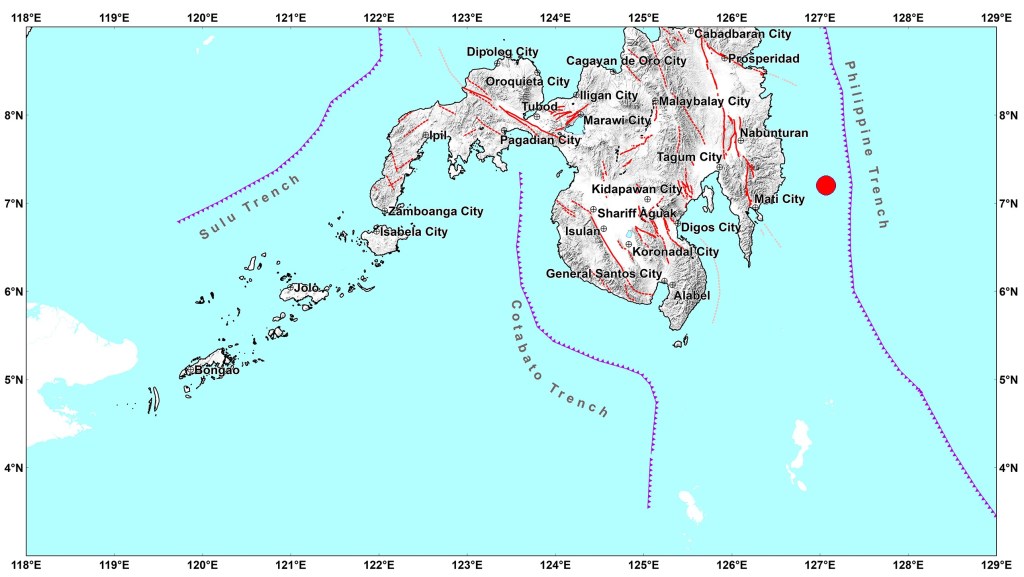
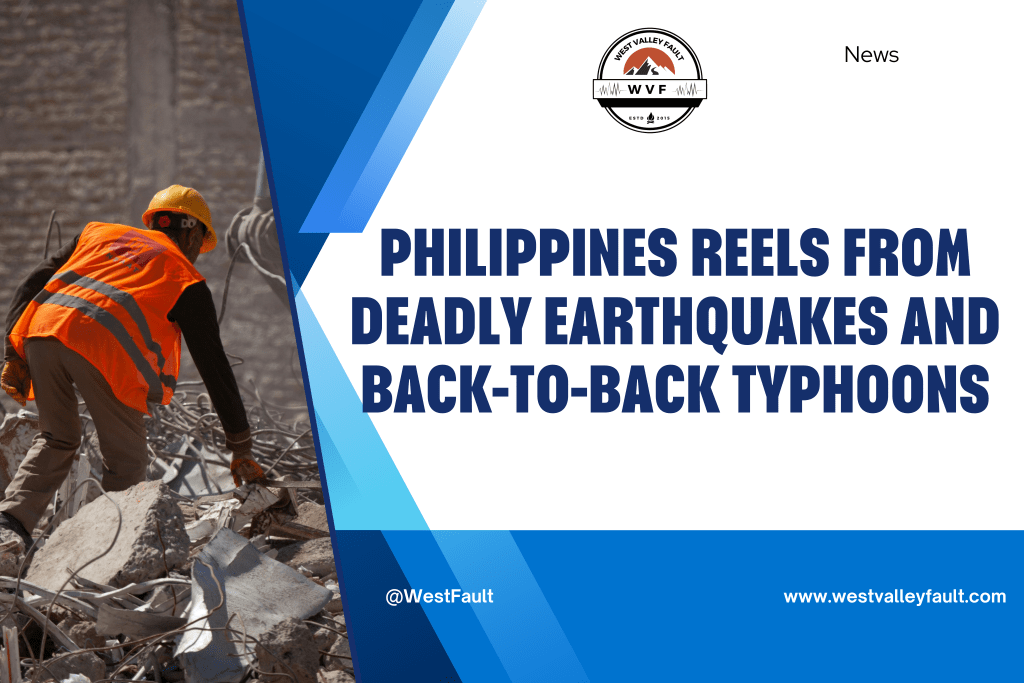
The Philippines is still reeling from the aftermath of a powerful 6.8-magnitude earthquake that struck Sarangani, Davao Occidental on November 17. The quake triggered a series of aftershocks, with over 113 recorded so far.
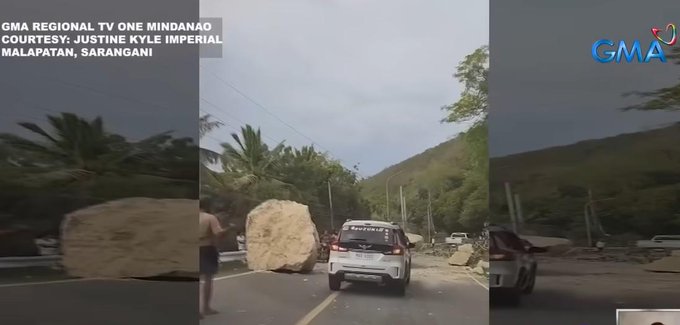
The Philippine Institute of Volcanology and Seismology (Phivolcs) reported that the aftershocks ranged from magnitude 1.4 to 4.9, with at least six of them being felt. The earthquake was likely generated by the Cotabato Trench, a deep underwater valley that runs along the eastern coast of Mindanao.

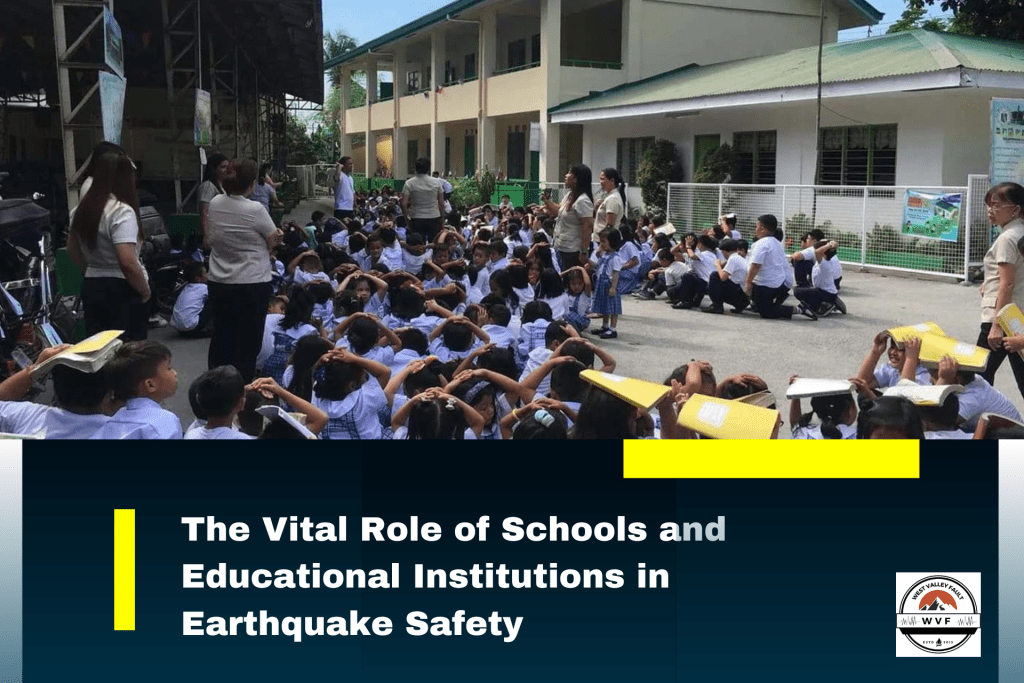
In response to the incident, Bacolcol emphasized the country’s increased preparedness, attributing it to the success of earthquake drills conducted by the National Disaster Risk Reduction and Management Council.
“We are more prepared than before as earthquake drills of the National Disaster Risk Reduction and Management Council helped. People are more aware now,” Bacolcol stated.
Further Reads

Learn about the preparedness of the Philippines for a potential earthquake in this article.
Despite the improvements in preparedness, Bacolcol warned of potential devastation if a strong quake were to hit Metro Manila. According to Phivolcs’ projections, a magnitude 6.5 earthquake in the capital could result in at least 23,000 casualties, with approximately 10,000 injuries.

Of particular concern is the West Valley Fault, which Bacolcol highlighted as overdue for a major quake. Referring to a study, he mentioned that the last movement along the fault occurred in 1658, with a recurrence interval estimated between 400 to 600 years. This places the region at higher risk, with the possibility of a magnitude 7.2 earthquake occurring sooner rather than later.
“In a magnitude 7.2 quake, intensity 8 is expected to be felt in Metro Manila and nearby provinces,” Bacolcol cautioned. He further outlined potential areas for ground rupture, including Bulacan, Marikina, Pasig, Makati, Quezon City, Taguig, Muntinlupa, and Laguna.
Expressing concern over public behavior during earthquakes, Bacolcol urged people to prioritize their safety over capturing videos. He specifically mentioned incidents where residents of General Santos City recorded the rising sea instead of seeking shelter.
Further Reads

As the threat of large-scale earthquakes remains a constant concern, it’s imperative for every Filipino family to be well-prepared.
Shifting focus to the aftermath of the Sarangani earthquake, the Department of Health has taken proactive steps. Collaborating with the Department of Education, they have extended mental health and psychosocial support services to affected students and their families.
As of the latest update, there have been a total of 741 reported injuries, with 689 individuals treated as outpatients and 41 still admitted. Tragically, the earthquake resulted in 11 reported deaths.

The recent seismic activity in Sarangani serves as a stark reminder of the ever-present earthquake threat in the Philippines. While efforts are being made to enhance preparedness and support affected communities, the looming risks, particularly along the West Valley Fault, underscore the need for continued vigilance and proactive measures to ensure the safety of the population.
Source: PhilStarGlobal, GMANewsOnline













 West Valley Fault
Leave a comment