
Scan the QR code to get this blog on the go.
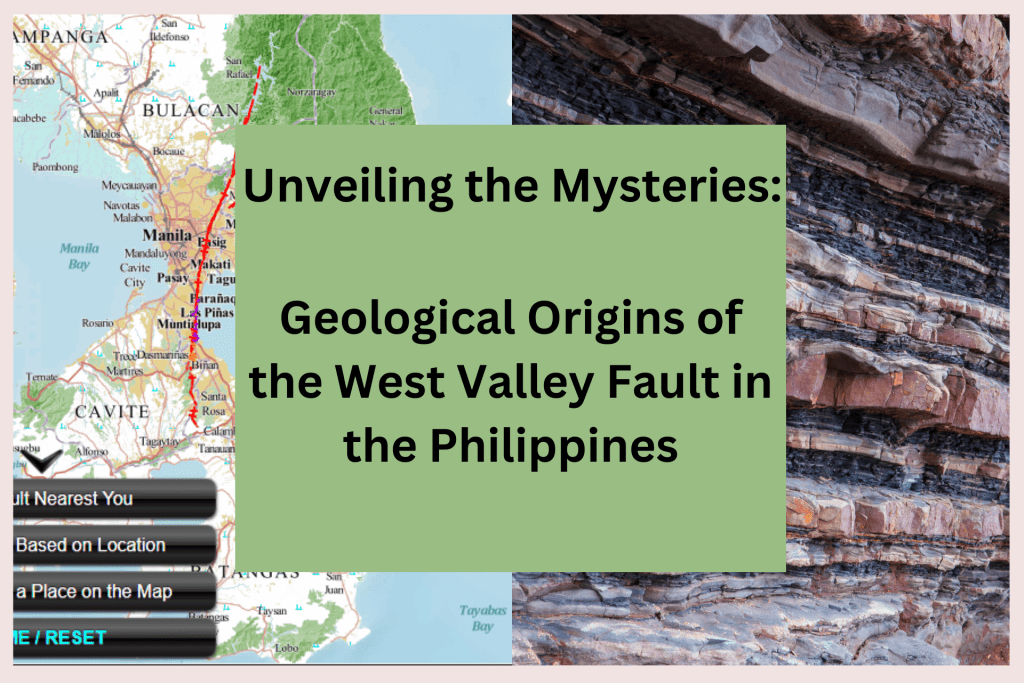
The Philippines, known for its stunning landscapes and vibrant culture, also harbors hidden geological wonders that shape the very ground we walk on. One such marvel is the West Valley Fault, a tectonic boundary with a rich history that intertwines with the country’s geological narrative. In this article, we delve into the fascinating geological origins of the West Valley Fault, shedding light on the forces that have sculpted this prominent feature.

Understanding the Basics:
The West Valley Fault is a segment of the larger Philippine Fault System, a network of interconnected faults that traverse the archipelago. It is estimated to be around 3.5 million years old.
This fault system results from the complex interactions between the Philippine Sea and Eurasian tectonic plates, a geological dance that has been ongoing for millions of years.
Tectonic Forces at Play:
The movement of tectonic plates is a dynamic process, and the West Valley Fault is a product of the collision and subduction between the Philippine Sea Plate and the Eurasian Plate. The intricate dance of these massive plates gives rise to earthquakes, and the West Valley Fault is no stranger to seismic activity.
As the Philippine Sea Plate subducts beneath the Eurasian Plate, stress builds up along the fault lines, eventually leading to the release of energy in the form of earthquakes. The West Valley Fault is particularly noteworthy for its potential to generate significant seismic events, making it a focal point for geological studies and earthquake preparedness efforts.
Historical Significance:
Understanding the geological origins of the West Valley Fault is crucial for appreciating its historical significance. The fault has been responsible for some of the most notable earthquakes in Philippine history, shaping not only the landscape but also the communities that surround it.
Historical records can only go so far and the only one that can be directly referenced to the West Valley Fault was the 1771 Luzon earthquake. This magnitude 7.0 earthquake caused significant damage in Manila and surrounding areas.
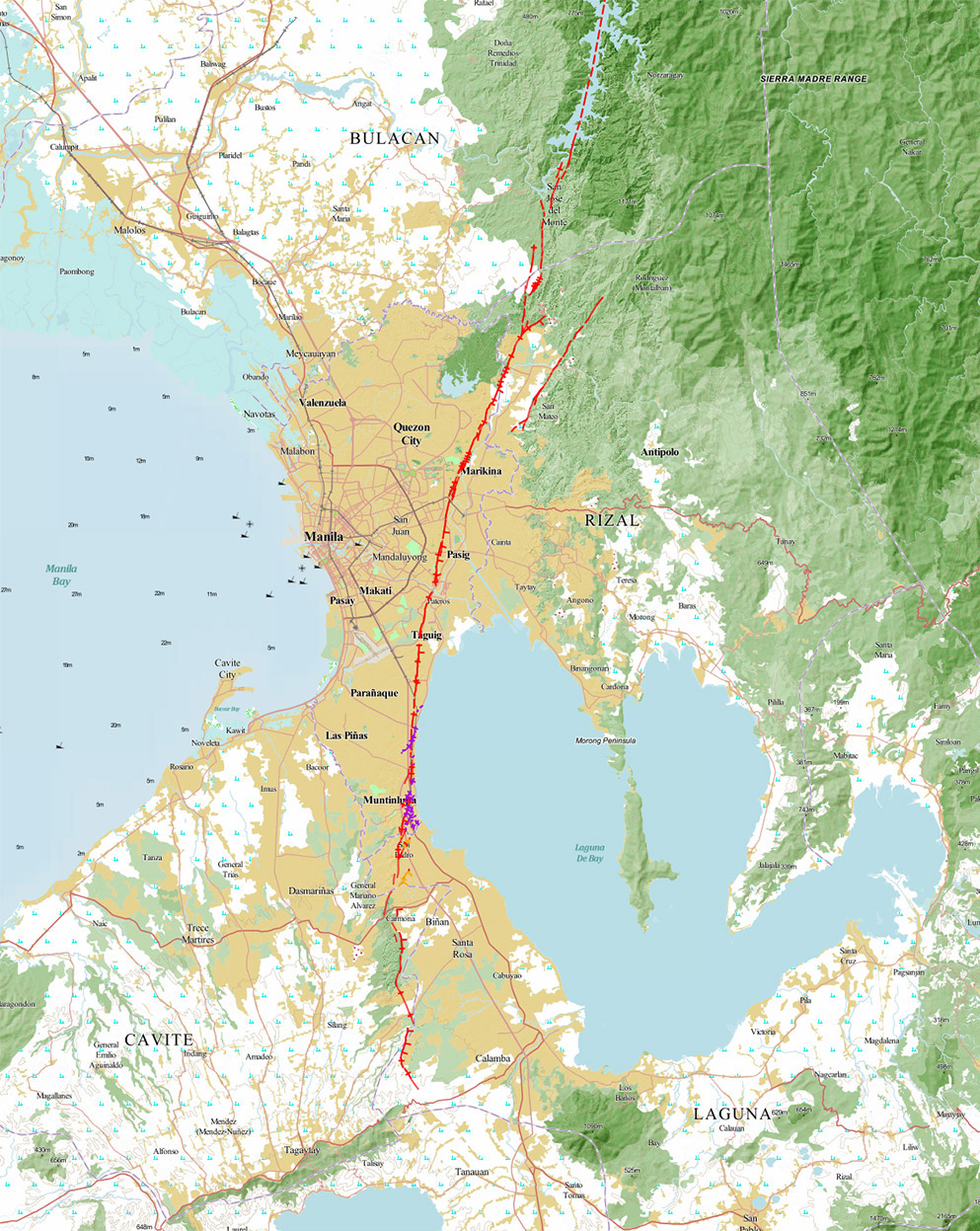
The approximate location of the 1771 Luzon earthquake, attributed to the West Valley Fault, was near Marikina in the eastern part of Metro Manila, Philippines.
Historical records point to the epicenter being situated directly on the fault trace, with Marikina, Pasig, and Antipolo experiencing the brunt of the earthquake’s destruction. These areas align with the known path of the West Valley Fault.
While a pinpoint location isn’t possible due to limitations in historical data and measuring techniques of the time, the evidence strongly suggests the earthquake originated near Marikina and followed the trajectory of the West Valley Fault.
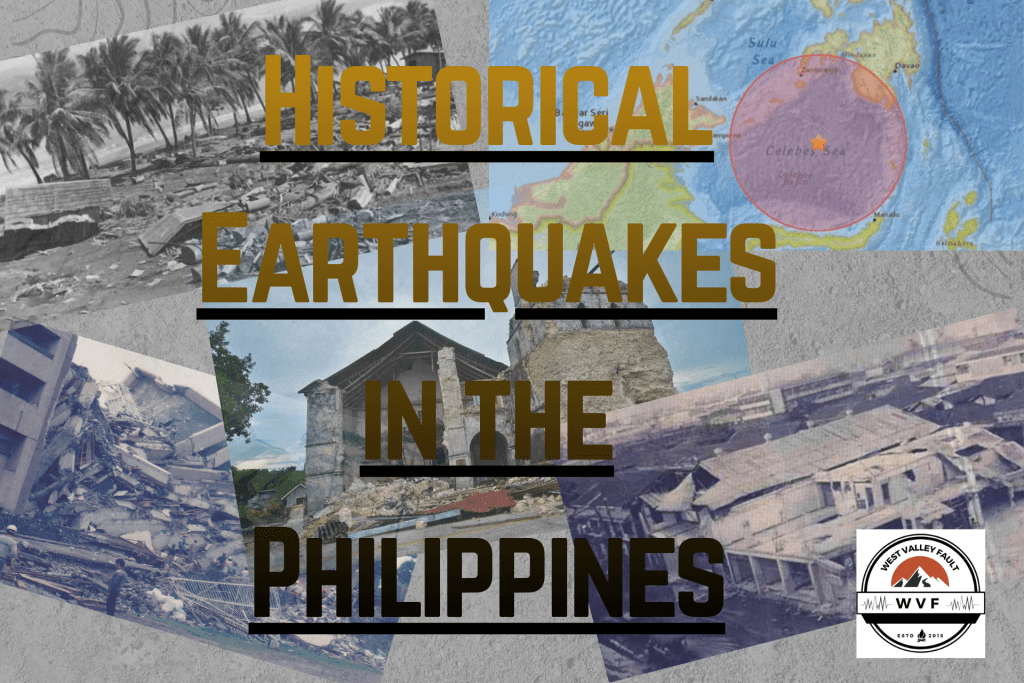
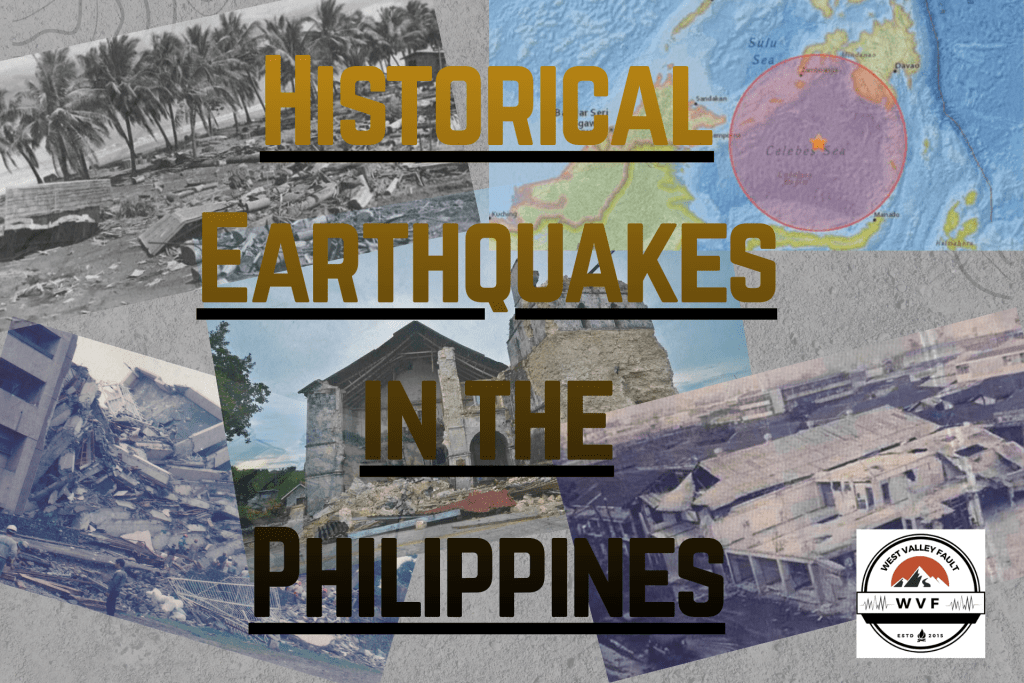
Learn about the most impactful seismic events in the Philippines that helped shape the nation.
Preparedness and Mitigation:
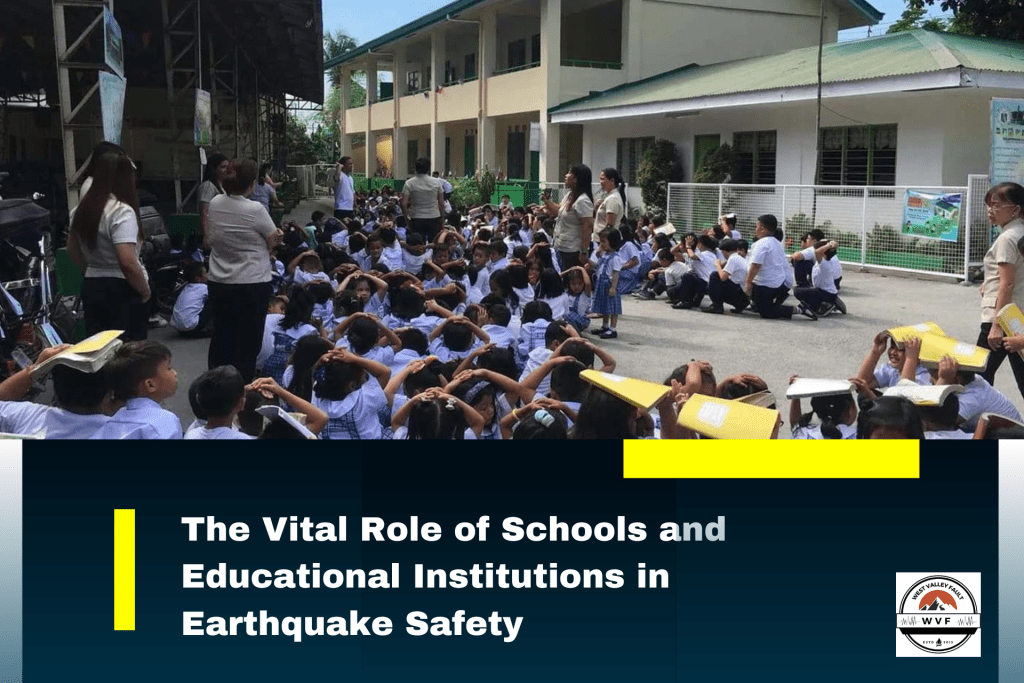
Given the seismic activity associated with the West Valley Fault, it is essential for communities in its vicinity to be well-prepared. Public awareness, early warning systems, and robust infrastructure are crucial elements in mitigating the impact of potential earthquakes. By understanding the geological origins of the fault, scientists and policymakers can better predict and plan for seismic events, ultimately safeguarding lives and property.

On this aspect, the Philippine government and local communities are working to prepare for future earthquakes on the West Valley Fault. This includes:
- Raising awareness: Public education campaigns are being conducted to inform people about the risks of earthquakes and how to stay safe.
- Building earthquake-resistant structures: Building codes are being updated to require new structures to be able to withstand earthquakes.
- Developing emergency response plans: Plans are being developed to ensure that communities are able to respond quickly and effectively to earthquakes.
The West Valley Fault, with its geological roots deeply embedded in the complex interactions of tectonic plates, serves as a reminder of the Earth’s constant evolution. By unraveling the mysteries of its origins, we gain not only a scientific understanding but also a deeper appreciation for the interconnectedness of geology and human history. As we continue to navigate the dynamic landscape of the Philippines, knowledge of the West Valley Fault becomes a powerful tool in building resilient communities and fostering a safer, more prepared future.
In the face of uncertainty, one thing remains certain – the geological origins of the West Valley Fault tell a story that invites us to explore the depths of our planet’s history, reminding us that our journey on this dynamic Earth is an ongoing adventure.
Note: This article is for informational purposes only and should not be considered a substitute for professional advice. Please consult with a qualified geologist or engineer for more information on earthquake preparedness.
Sources:
- Wikipedia – Marikina Valley Fault System: https://en.wikipedia.org/wiki/Marikina_Valley_Fault_System
- Philippine Institute of Volcanology and Seismology: https://www.phivolcs.dost.gov.ph/index.php
- USGS – Earthquake Hazards Program: https://www.usgs.gov/natural-hazards/earthquake-hazards
- National Disaster Risk Reduction and Management Council (NDRRMC)
https://ndrrmc.gov.ph/attachments/article/3621/NDRP_Earthquake_2018.pdf - Geological Society of the Philippines (GSP): https://geolsocphil.org/














 West Valley Fault
Leave a comment