
Scan the QR code to get this post on the go.
In a recent forum at the House of Representatives, the Department of Science and Technology (DOST) highlighted the critical need for disaster preparedness and resilience in the Philippines, a country highly prone to various natural calamities. DOST Secretary Renato Solidum emphasized the importance of local governments and the private sector actively utilizing innovative technologies to enhance disaster risk reduction efforts.
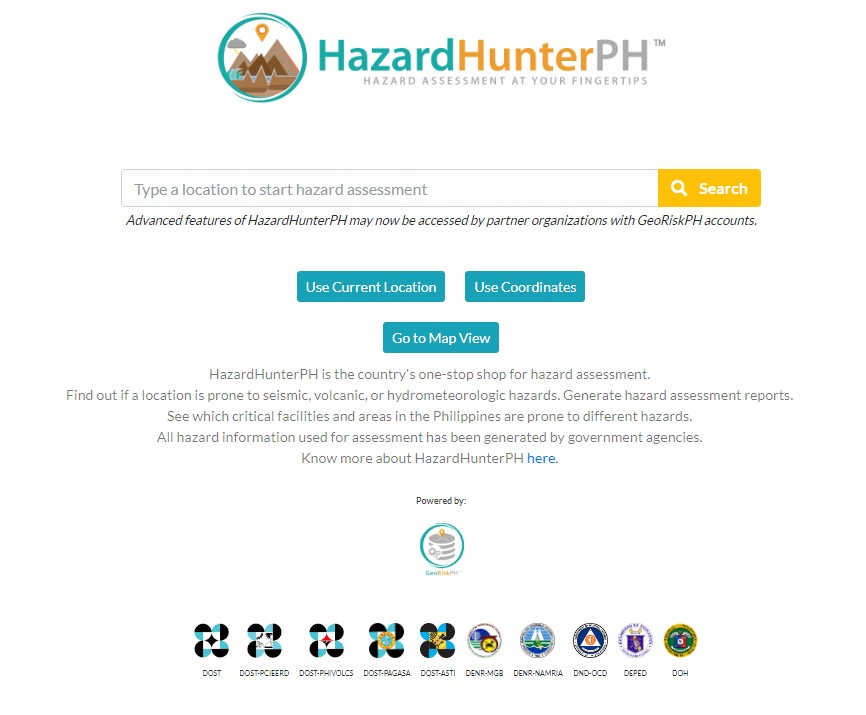
Among the showcased technologies is the award-winning web-based application, Hazard Hunter, designed to identify and map different disaster risks within communities. Solidum stressed the significance of bridging the gap between having the technology available and ensuring its practical use by local entities.
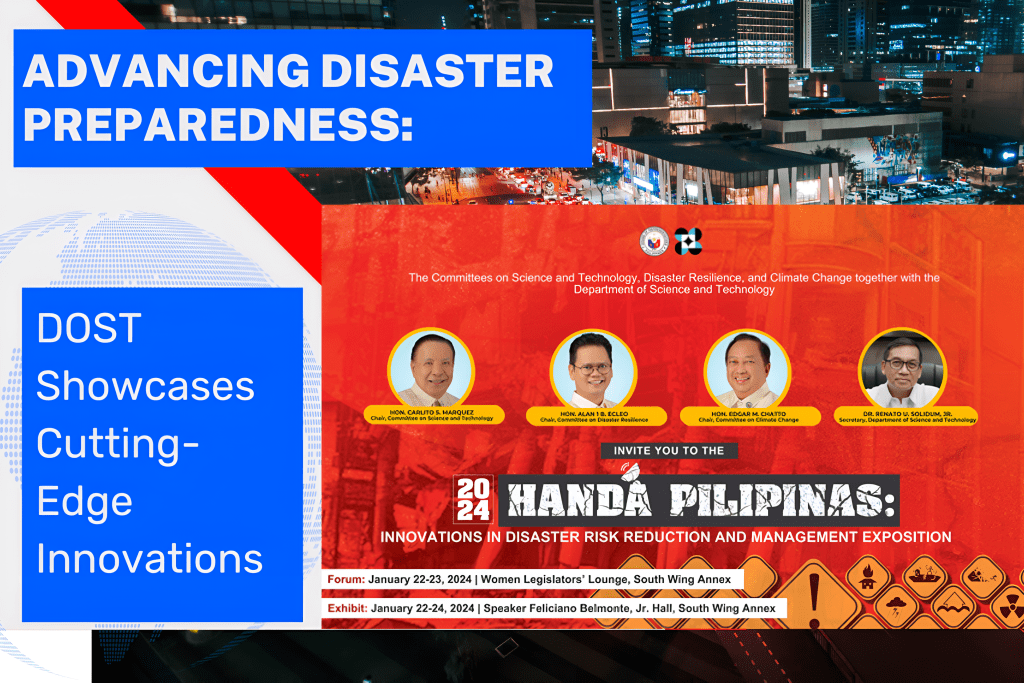
To engage policymakers, the DOST launched the Handa Pilipinas 2024 exhibit at the House of Representatives in Quezon City yesterday, showcasing a myriad of innovations in disaster risk reduction and management. This included augmented-reality terrain and flood simulators illustrating flood risks based on rainfall, as well as plant-based cellulose hemostats developed by the DOST-Philippine Nuclear Research Institute. These hemostats, undergoing clinical trials, have the potential to stop excessive bleeding in traumatic wounds, proving valuable in emergencies, accidents, and military operations.

Secretary Solidum expressed the hope that such exhibits would help policymakers recognize the applicability of these innovations and inspire the crafting of policies that accelerate disaster preparedness across local governments.
In a video message, Solidum underscored the pivotal role of science and technology in disaster preparedness, aiming to transform victims into victors over disasters. He urged active participation in building resilience, viewing “handa” both as an aspiration for prepared communities and a call to action for citizens to empower themselves against hazards.
The three-day event brought together DOST scientists, researchers, and lawmakers to discuss pressing issues in disaster risk reduction. Collaborative efforts, facilitated by the DOST Legislative Liaison Office initiatives in partnership with House Committees on Science and Technology, Climate Change, and Disaster Resilience, featured informative technical forums and discussions.
The Philippine Institute of Volcanology and Seismology (Phivolcs) presented various tools, including Georisk Platforms Hazard Hunter, GeoAnalytics, GeoMapper, PlanSmart, REDAS, How Safe is My House, VolcanoPH, Intensity Meter, and Earthquake Simulator. The exhibit also showcased advanced technologies like Radiation-processed Hemostats, Radiation Monitoring Stations, and the Nuclear/Radiological Emergency Preparedness and Response Program of the DOST-Philippine Nuclear Research Institute.

In addition, innovative technologies like Augmented-reality Terrain and Flood simulators, Interactive Display Information System, Forecaster’s Workstation, and weather observation instruments from the DOST-PAGASA were on display. The event aimed to foster collaboration and develop policies that strengthen the country’s response to natural hazards, including typhoons, earthquakes, volcanic eruptions, and landslides. As the Philippines continues to face the challenges posed by its geographic location, the DOST remains committed to advancing technological solutions that protect lives, livelihoods, and the nation’s development gains.
Source: ABSCBNNews/MB.com/Phivolcs/DOST STII



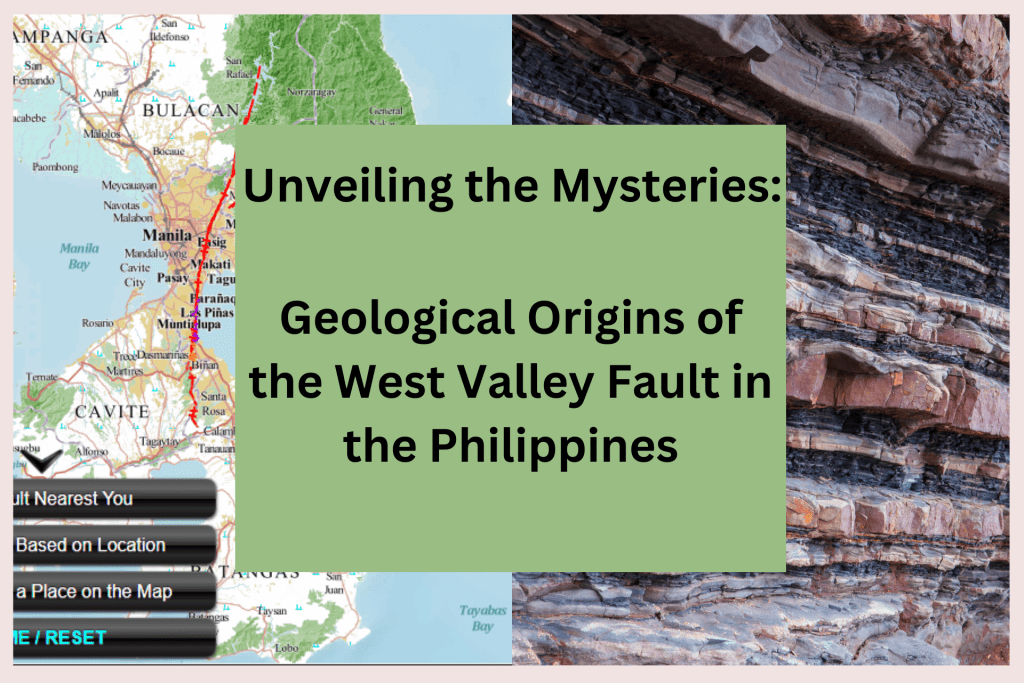
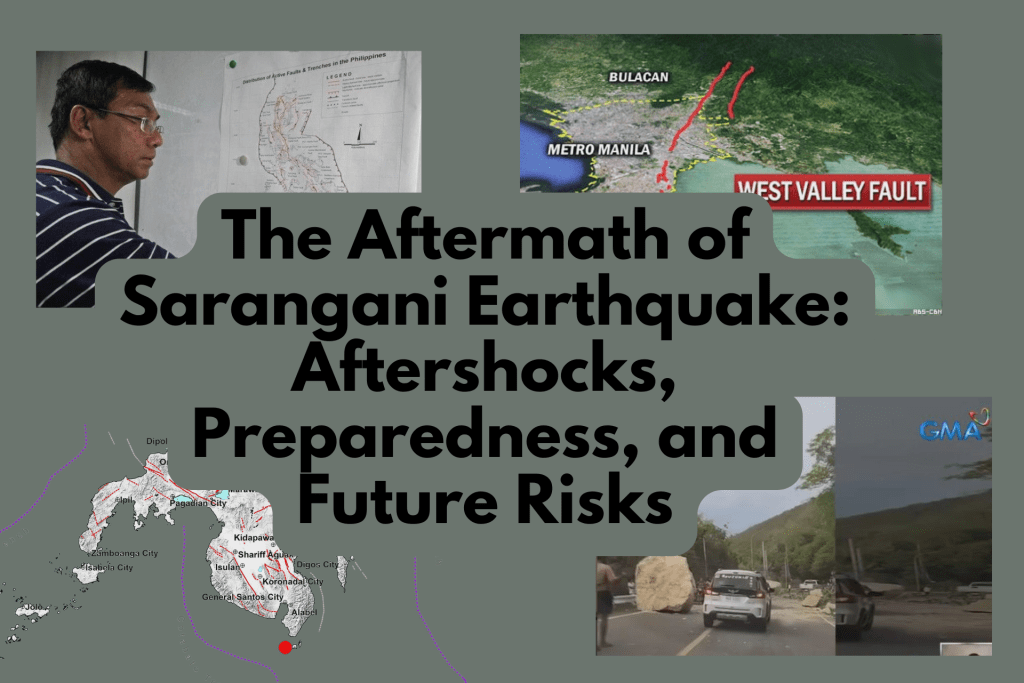







 West Valley Fault
Leave a comment