
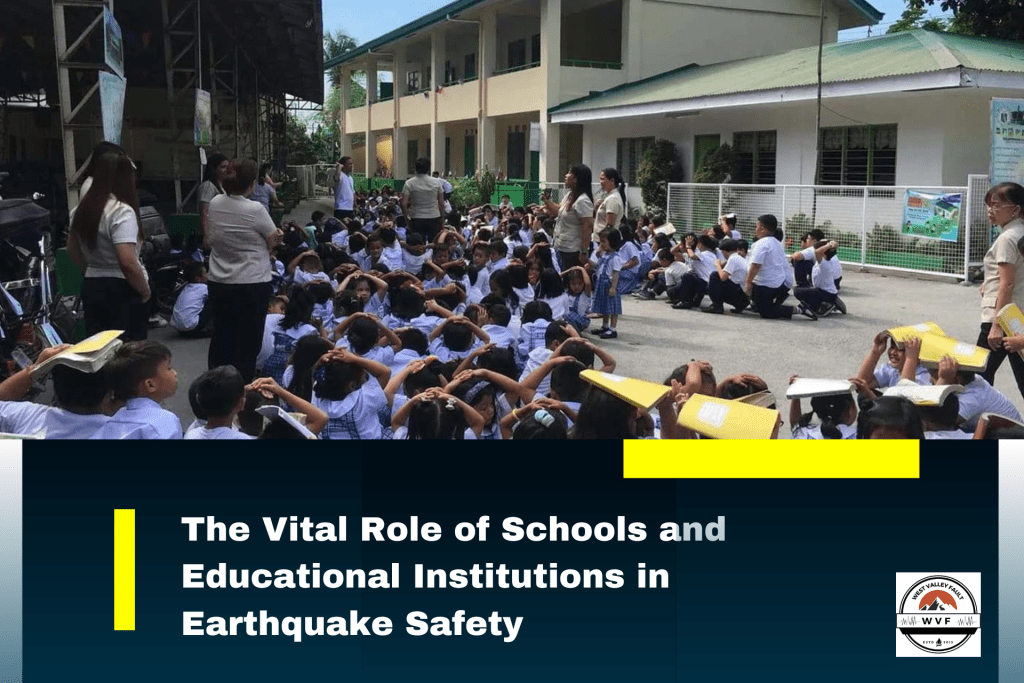
Earthquakes are natural disasters that can strike without warning, causing devastation and loss of life. In regions prone to seismic activity, such as the Pacific Ring of Fire, preparedness is essential for mitigating the impact of these tremors. Among the critical pillars of earthquake preparedness is the role of schools and educational institutions. These institutions play a pivotal role not only in educating students about earthquake safety but also in serving as centers for community resilience and preparedness.

Scan the QR code to get this blog on the go.
Importance of Earthquake Safety Education
Educating students about earthquake safety is paramount in reducing casualties and injuries during seismic events. By instilling knowledge about proper response protocols, such as “Drop, Cover, and Hold On,” schools empower students to react swiftly and appropriately when an earthquake strikes. Additionally, raising awareness about potential hazards, evacuation routes, and emergency supplies equips individuals with the tools needed to navigate through disaster situations effectively.
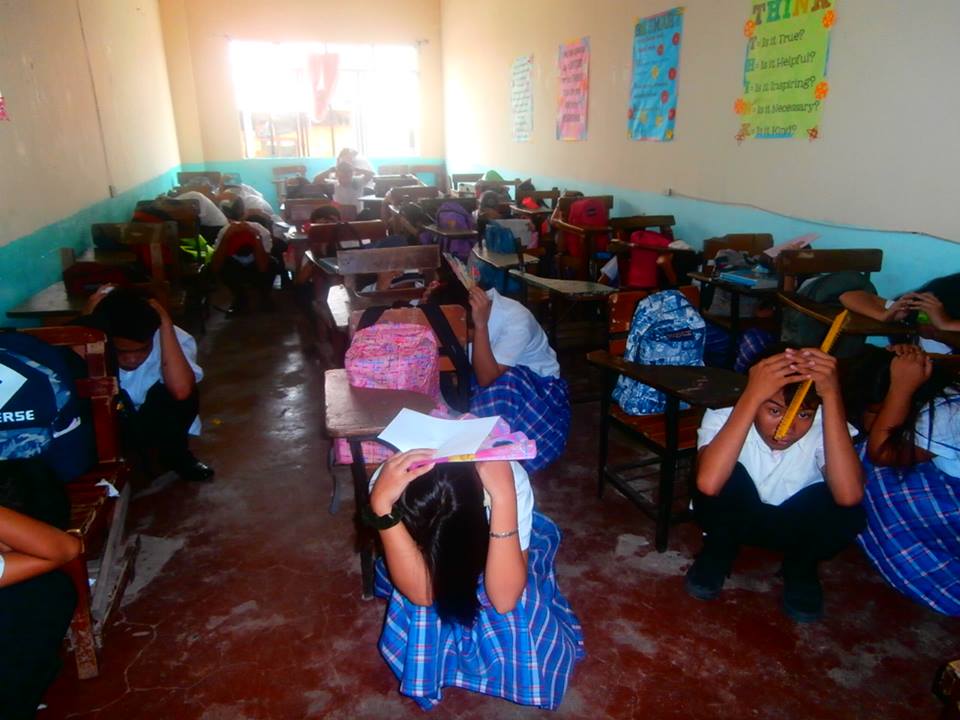
Furthermore, incorporating earthquake safety into the curriculum fosters a culture of preparedness that extends beyond the classroom. Students become ambassadors for safety within their families and communities, spreading essential knowledge and encouraging proactive measures to mitigate earthquake risks.

Integration of Safety Measures into School Infrastructure
Beyond education, schools must also prioritize the implementation of structural and non-structural measures to enhance earthquake resilience. Retrofitting existing buildings to meet seismic standards and constructing new facilities with earthquake-resistant designs are crucial steps in safeguarding the lives of students and staff.
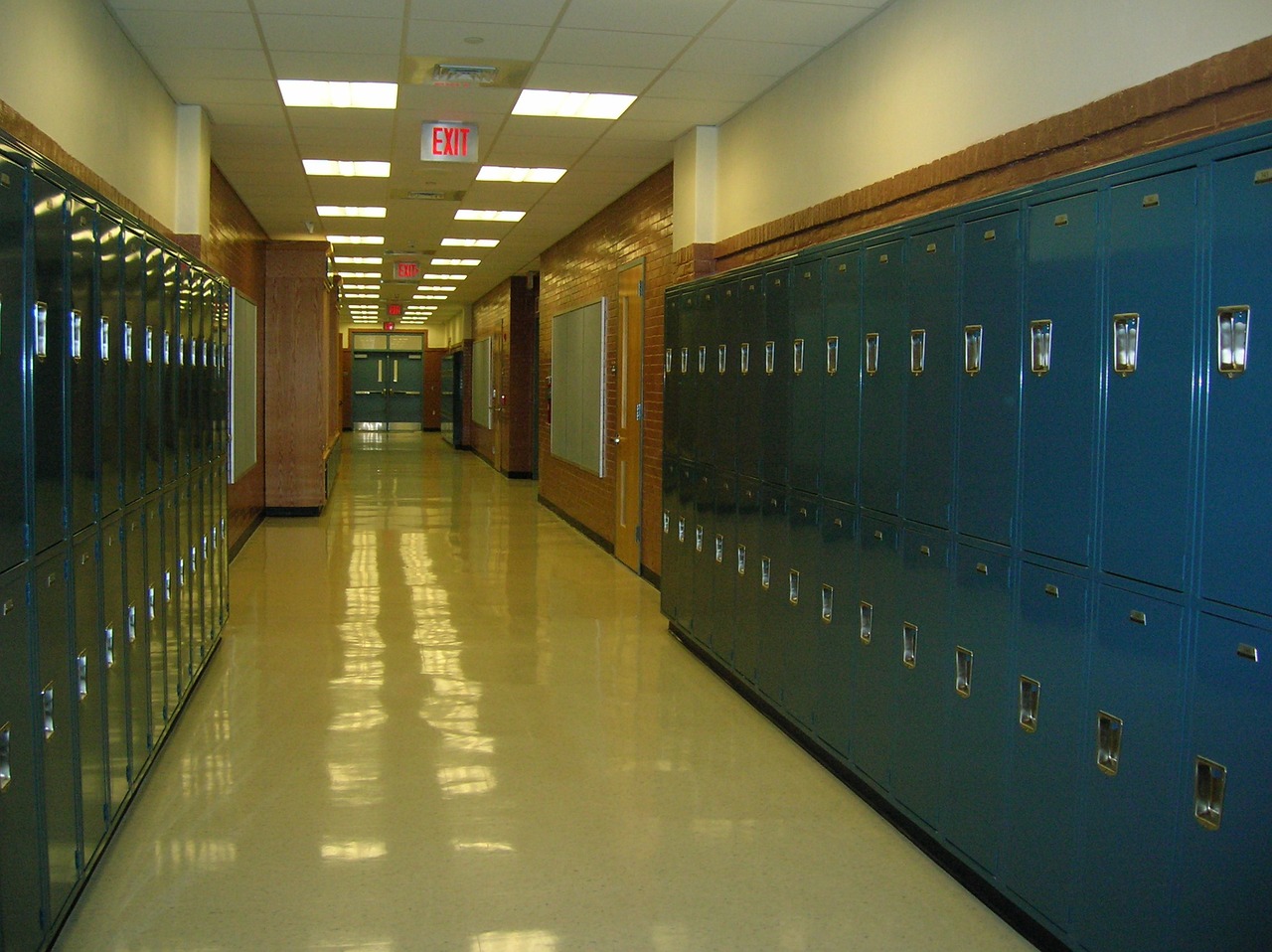
Non-structural elements, such as securing furniture and equipment, installing automatic gas shut-off valves, and maintaining emergency communication systems, are equally vital in minimizing hazards during earthquakes. Regular drills and simulations allow schools to test their preparedness and identify areas for improvement.

Community Engagement and Collaboration
Schools serve as community hubs, making them ideal platforms for promoting earthquake preparedness beyond campus boundaries. Collaborating with local emergency management agencies, non-profit organizations, and businesses enables schools to access resources, expertise, and support for comprehensive disaster planning.
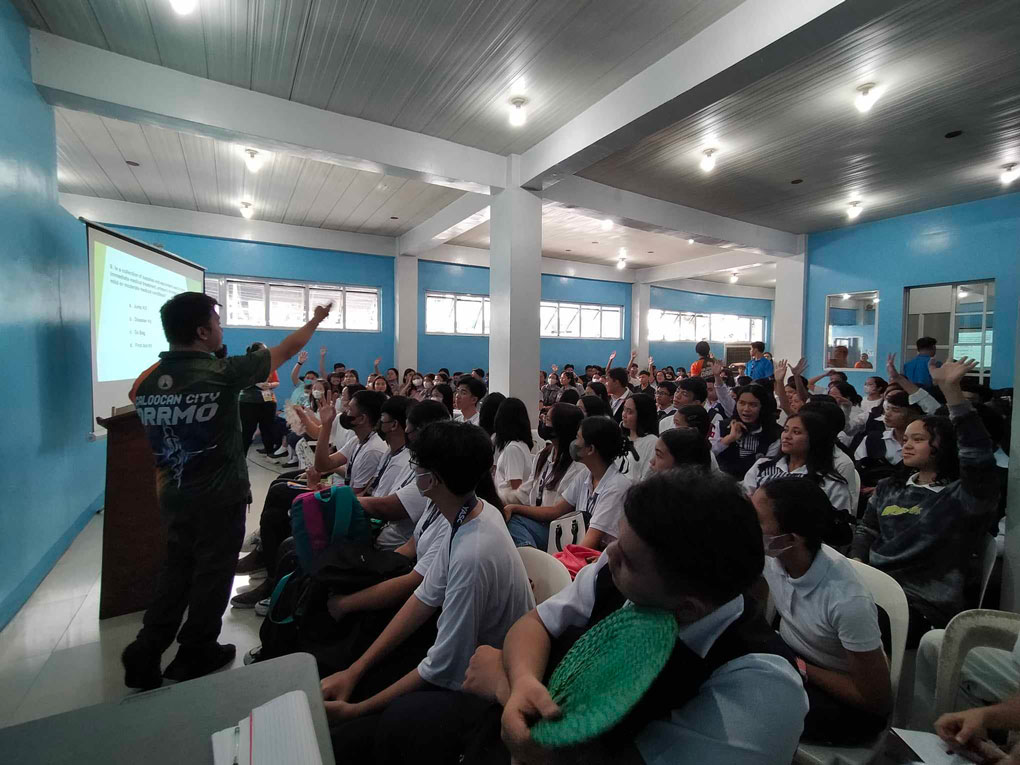
Engaging parents, caregivers, and neighboring residents through workshops, informational sessions, and outreach initiatives fosters a sense of shared responsibility for earthquake safety. By fostering strong partnerships, schools can enhance community resilience and ensure a coordinated response in the event of a seismic emergency.
In conclusion, schools and educational institutions play a vital role in earthquake safety by educating students, implementing structural and non-structural measures, and fostering community engagement. By prioritizing earthquake preparedness, these institutions not only protect the lives of students and staff but also contribute to building resilient communities capable of withstanding seismic events. Through collaboration, education, and proactive measures, schools can fulfill their duty as pillars of safety and resilience in the face of natural disasters.
Sources:
- “Earthquake Safety at School” – Federal Emergency Management Agency (FEMA)
- “Guidelines for Earthquake Safety in Schools” – United Nations Office for Disaster Risk Reduction (UNDRR)
- “The Role of Schools in Disaster Risk Reduction” – United Nations Educational, Scientific and Cultural Organization (UNESCO)
- “Community Resilience and Disaster Education: Schools as Promoters of Resilience” – International Federation of Red Cross and Red Crescent Societies (IFRC)
- “Earthquake Preparedness and Response in Schools: A Resource Guide” – American Red Cross
- Image credit: Rappler




















 West Valley Fault
Leave a comment