
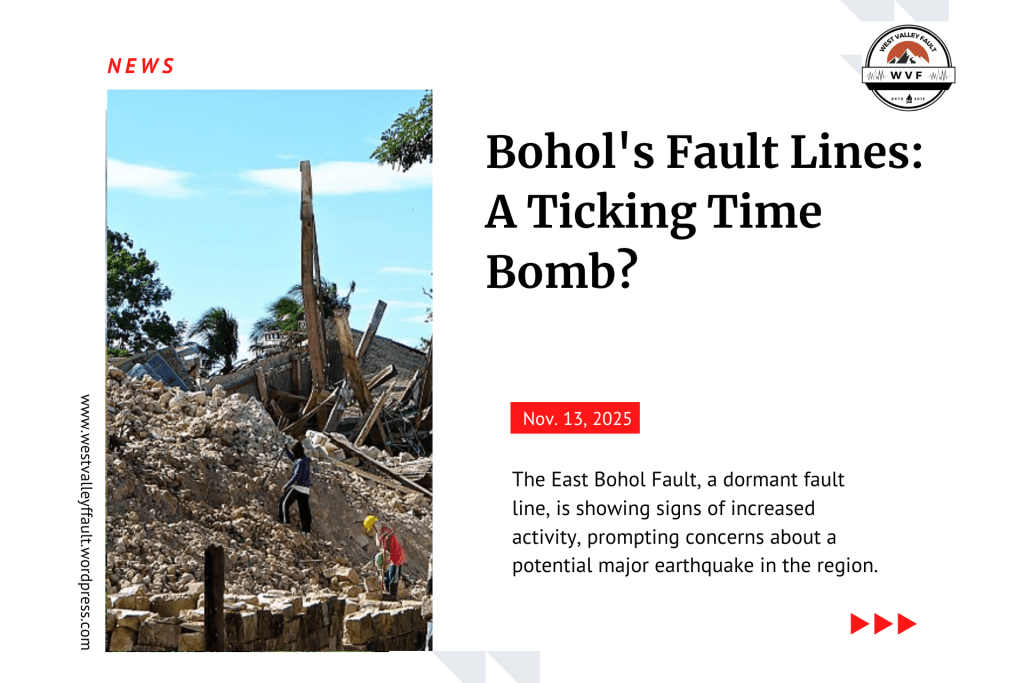
Bohol, a province known for its pristine beaches and historical sites, is also grappling with a geological reality: a network of active fault lines that pose a significant threat to its residents.

Scan the QR code to get this blog on the go.
The East Bohol Fault: A Cause for Concern
One of the most concerning fault lines is the East Bohol Fault, which stretches from Loay to Sierra Bullones. This fault, which has been relatively quiet for over a century, has recently shown signs of increased activity, with a series of mild tremors rattling the province.
Experts from the Philippine Institute of Volcanology and Seismology (PHIVOLCS) warn that if this fault were to rupture, it could trigger a powerful earthquake, potentially reaching a magnitude of 7. Such an event could have devastating consequences for the coastal areas and inland towns of Bohol.
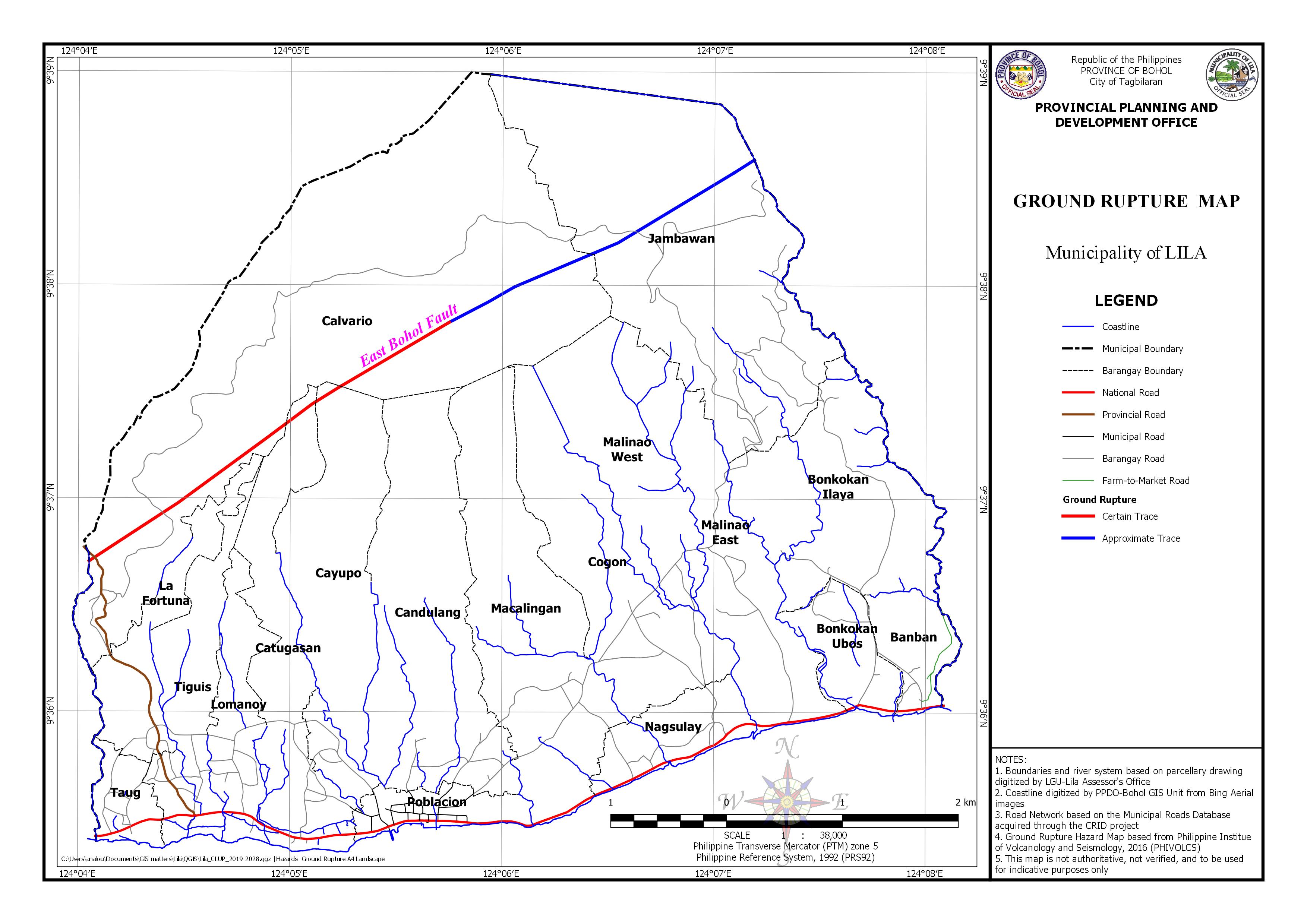
Other Fault Lines in Bohol
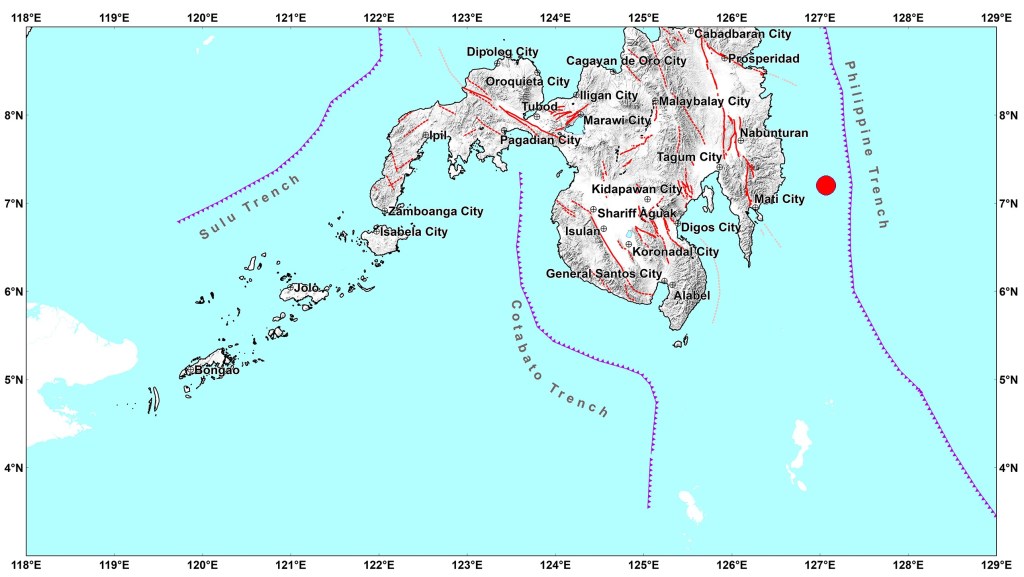
Aside from the East Bohol Fault, the province is also crossed by the North Bohol Fault, South Offshore Fault, and the Maribojoc Fault. While the Maribojoc Fault is still relatively unknown, the other two have a history of causing significant seismic activity.

Learning from the Past
Bohol has experienced its fair share of earthquakes, most notably the 7.2 magnitude quake in 2013 that claimed hundreds of lives and caused widespread destruction. This tragic event serves as a stark reminder of the province’s vulnerability to seismic hazards.
Preparing for the Future
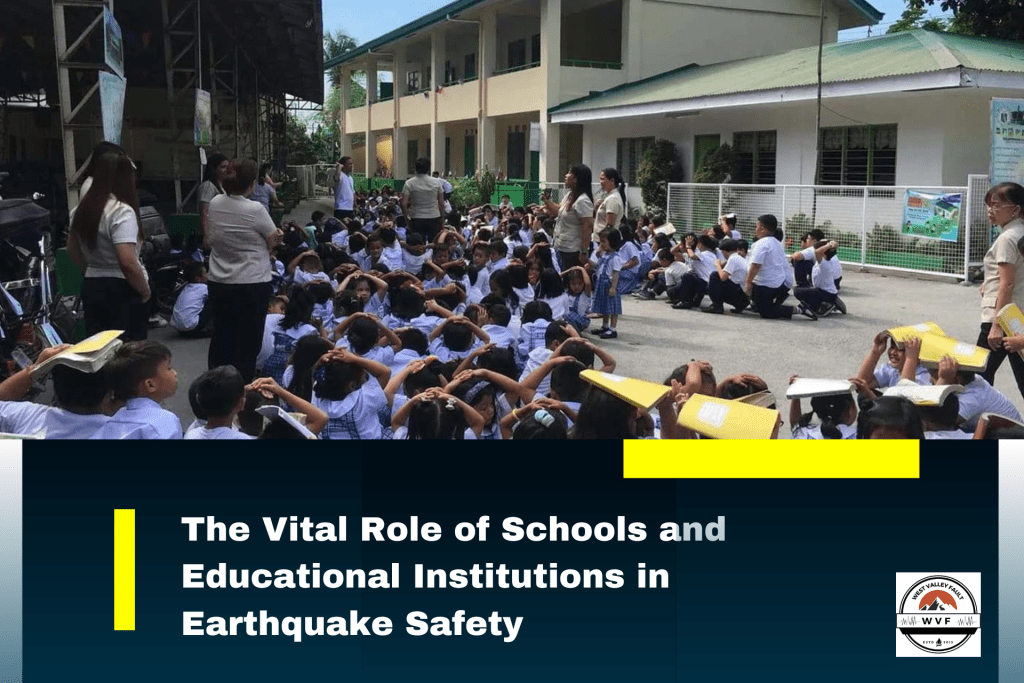
To mitigate the risks posed by earthquakes, the provincial government of Bohol has taken steps to improve disaster preparedness. Regular evacuation drills and emergency response training are conducted to ensure that residents are ready to respond to natural disasters.
As Bohol continues to monitor its fault lines, it is crucial for residents to stay informed and take necessary precautions. By understanding the risks and preparing for the worst, we can minimize the impact of future earthquakes.
Source: BoholChronicle















 West Valley Fault
Leave a comment