Earthquakes are a natural part of life in the Philippines, and experts stress that preparedness—not prediction—is the key to safety. As the country sits squarely on the Pacific Ring of Fire, where seismic activity is frequent, scientists are reminding Filipinos that readiness should be a way of life.

Scan the QR code to get this post on the go.
Dr. Decibel V. Eslava, a geologist and dean at the University of the Philippines Los Baños (UPLB) School of Environmental Science and Management, emphasized that earthquakes cannot be predicted, making preparedness essential.
“It is natural in our region, a reality that we should have long accepted so that our decisions and preparedness are aligned in that situation,” Eslava said.
The Philippines in the Pacific Ring of Fire
The Pacific Ring of Fire stretches from East Australia and New Zealand through the Philippines, Japan, and Russia, all the way to the west coast of the United States. This massive geological zone is known for frequent earthquakes and volcanic activity due to the movement of tectonic plates beneath the Earth’s surface.
Given this location, Dr. Eslava pointed out that the Philippines is inherently vulnerable to earthquakes caused by active fault lines. Since it’s impossible to know exactly when a fault will move, communities must always be ready.
“Because of this geographical reality, we need to learn how to adapt,” she said.
Experts warn that while earthquakes can’t be predicted, Filipinos must stay prepared through constant awareness, strong infrastructure, and regular safety drills.
The West Valley Fault: A Growing Concern
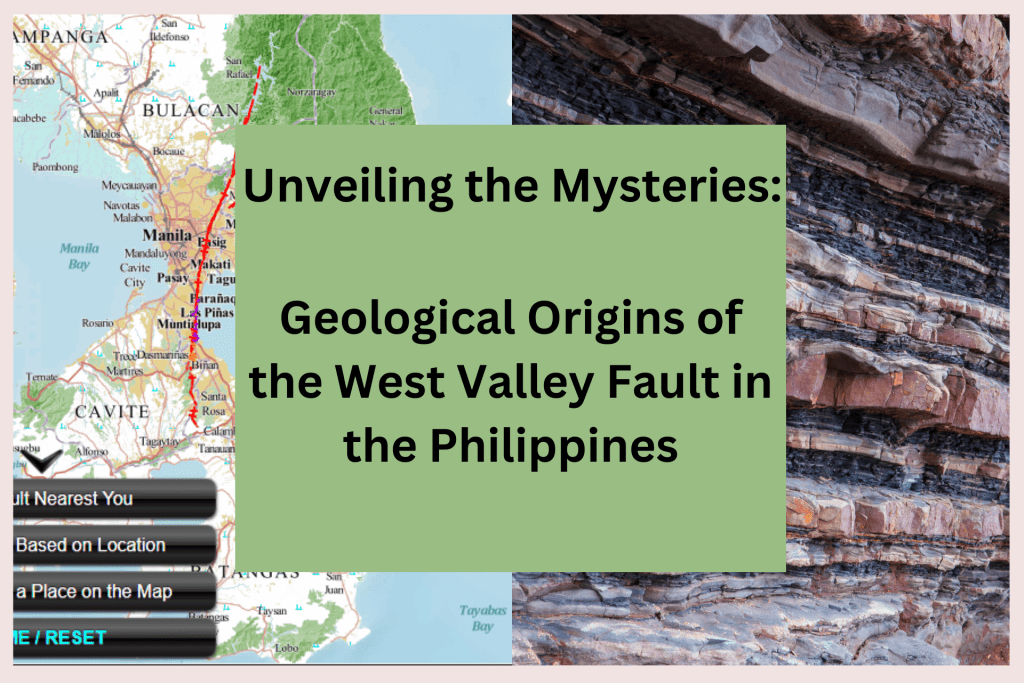
Philippine Institute of Volcanology and Seismology (Phivolcs) geologist Jeffrey Perez noted that the West Valley Fault (WVF) has shifted four times in the last 1,400 years, with movements occurring every 400 to 600 years. The last major event happened in 1658.
“The West Valley Fault has been accumulating strain for about 357 years. It could move before it reaches 400 years—it may happen in our generation or the next,” Perez explained.
While Perez clarified that Phivolcs cannot predict exactly when the fault will move, he stressed the importance of being ready.
“We don’t want to cause alarm. What we are saying is that the fault is ripe—but still, we cannot predict when it will happen,” he added.

Building Resilience Through Design and Drills
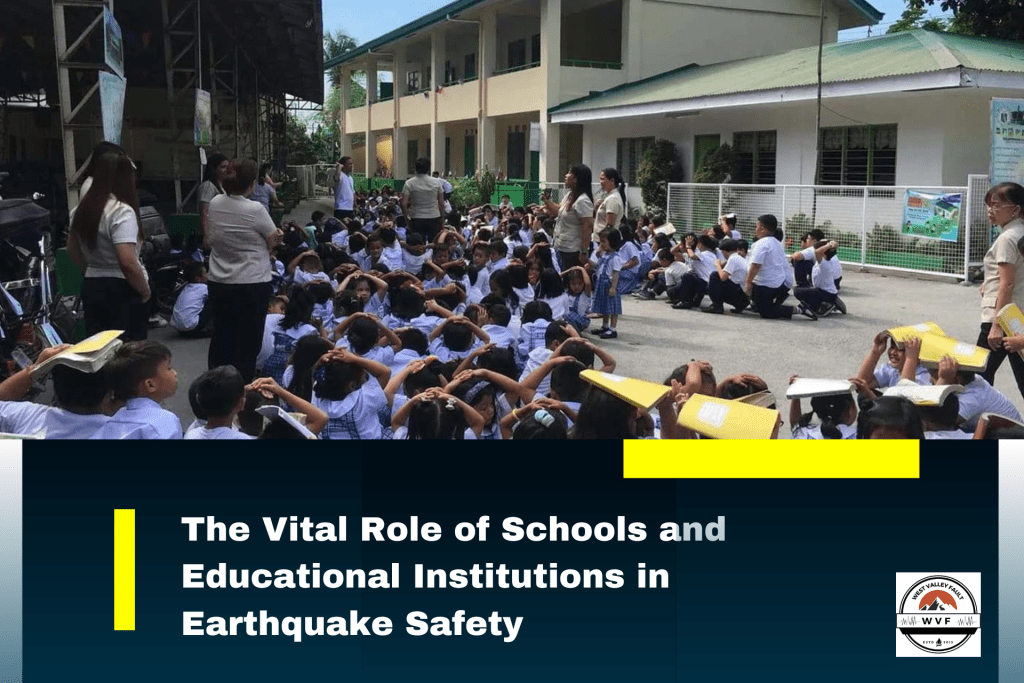
Eslava underscored that preparedness isn’t just about awareness—it also involves action. She highlighted the need to design homes and public structures that can withstand strong ground movements. Regular earthquake drills, she said, play a vital role in minimizing panic and ensuring that people know where to go during an emergency.
In Calabarzon, local governments are actively assessing the structural integrity of schools and public facilities. Similarly, UPLB has been inspecting campus buildings, reviving evacuation sites, and updating safety protocols to ensure campus-wide readiness.
A Call to Strengthen Community Preparedness
The Regional Disaster Risk Reduction and Management Council (RDRRMC) has urged local government units to enhance earthquake contingency plans and hold large-scale practical drills. These efforts focus on schools, government offices, and other areas where people gather in large numbers.
As experts continue to stress, the next major earthquake may not be predictable—but being prepared can save lives. Embracing a culture of readiness, they say, is the most effective defense against one of nature’s most powerful forces.
Source: pia.gov.ph









 West Valley Fault
Leave a comment