Earthquakes strike without warning, and their impact on businesses can be devastating—damaged facilities, disrupted operations, supply chain breakdowns, and risks to employee safety. Whether your company operates in the United States, Europe, or Asia, preparing for seismic events is not just responsible management—it’s essential for business continuity. With the right strategies in place, organizations can reduce losses, protect employees, and recover faster.

Scan the QR code to get this post on the go.
Why Earthquake Preparedness Matters for Modern Businesses
In today’s interconnected world, even a single facility loss can affect global operations. Regions such as California, the Pacific Northwest, Turkey, Italy, Japan, Taiwan, Indonesia, and the Philippines experience frequent seismic activity. Companies operating in or sourcing from these areas must integrate earthquake resilience into their risk-management and continuity plans.
Preparedness strengthens brand trust, protects investments, and positions organizations to restore operations long before less-prepared competitors.
(Disclosure: This post contains affiliate links, and I may receive a commission if you make a purchase through my links, at no extra cost to you.)
Key Steps Businesses Should Take to Prepare
1. Conduct a Seismic Risk Assessment
Every location has different earthquake hazards. Businesses should evaluate:

- Building integrity and structural vulnerabilities
- Proximity to known fault lines
- Risks to warehouses, data centers, factories, and retail spaces
- Potential fire, chemical, or equipment hazards triggered by shaking
- Impact on utilities such as electricity, water, and gas
A professional seismic engineer can provide location-specific recommendations.
2. Strengthen Your Facilities
Mitigation measures greatly reduce physical damage:

- Install seismic bracing for shelves, storage racks, machinery, and heavy equipment
- Secure power generators, HVAC systems, and high-value assets
- Upgrade to earthquake-resistant building materials during renovations
- Ensure water heaters, pipelines, and gas systems have automatic shut-off mechanisms
- Use safety film on glass doors and windows to prevent shattering
Even small improvements can save millions in potential losses.
3. Protect Workforce Safety
Employees are your most important asset. A preparedness program should include:

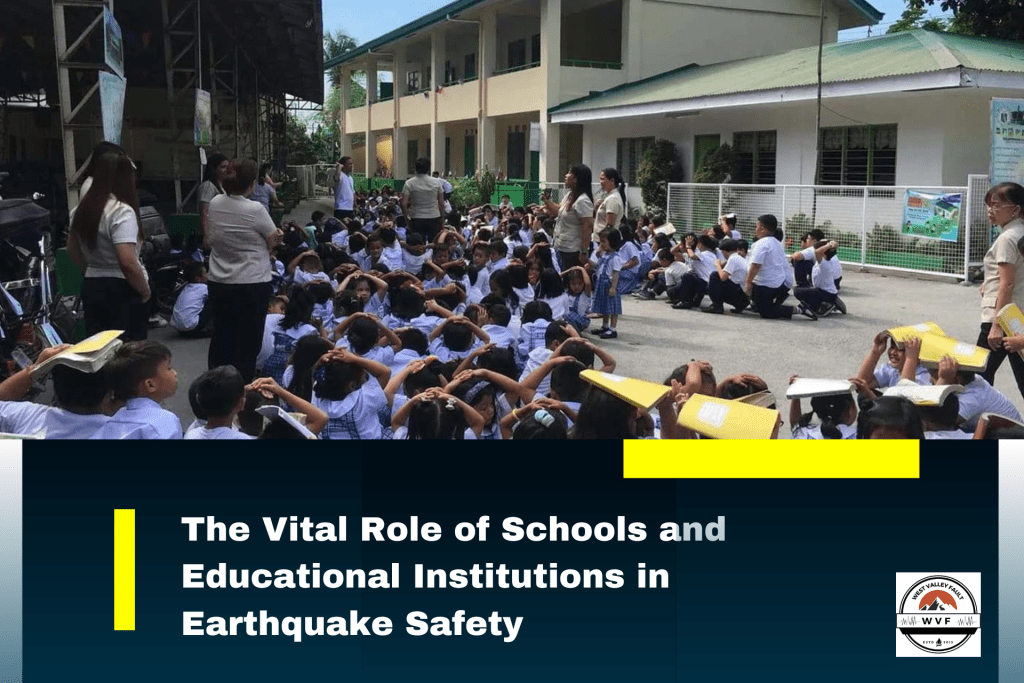
- Regular earthquake drills and evacuation training
- Clearly marked emergency exits and safe assembly points
- First-aid kits, fire extinguishers, and emergency supplies
- Safety protocols for industries handling hazardous materials
- Response training for floor wardens or emergency coordinators
Workforce readiness reduces injuries and improves response coordination.
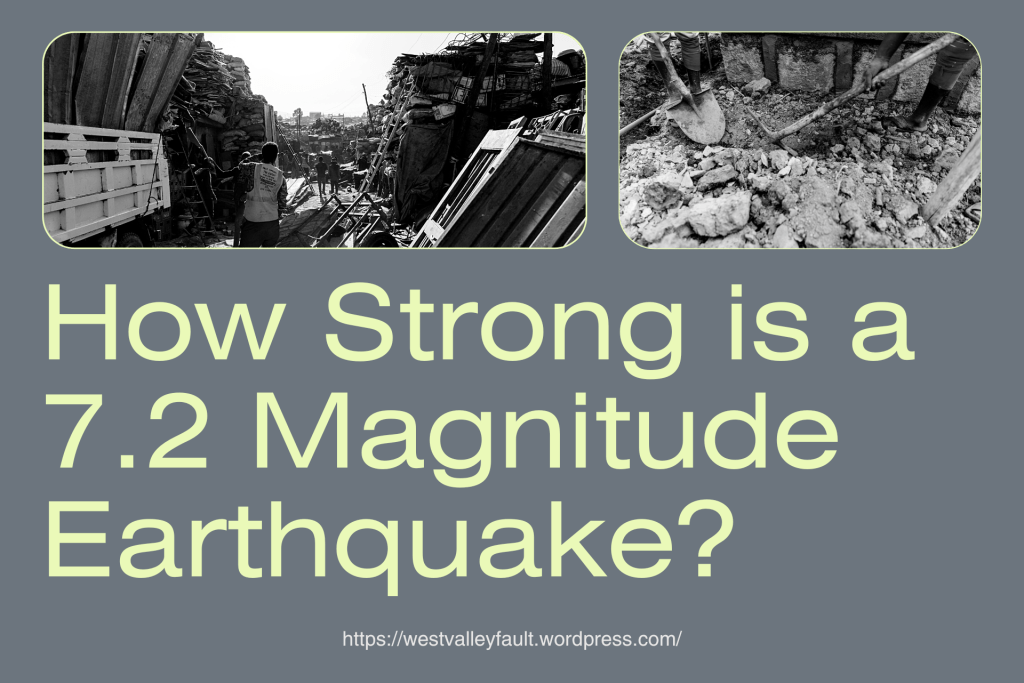
If you haven’t experienced that level yet you might be wondering what it will be like. Find out how strong a magnitude 7.5 quake can be.
4. Create and Test a Business Continuity Plan (BCP)
A strong BCP ensures operations can restart quickly. Include:

- Alternative office or production sites
- Backup power and communications strategies
- Remote-work transitions if facilities are damaged
- Backup suppliers in case primary partners are affected
- Cloud-based data storage for critical files
- Incident-response roles for leadership and teams
Plans should be reviewed annually and updated as operations evolve.
5. Strengthen Your Supply Chain Resilience
Earthquakes in one region can disrupt global operations. Businesses should:

- Map suppliers and logistics routes in high-risk zones
- Identify alternate suppliers in different countries
- Use diversified inventory storage
- Encourage vendors to adopt their own seismic preparedness plans
This reduces downtime and ensures operations remain stable even under stress.
6. Establish a Crisis Communication System
Clear communication during emergencies can save lives and maintain order. Businesses should:

- Use SMS, email, and app-based alerts for staff
- Maintain updated contact lists
- Provide pre-written messages for rapid deployment
- Share updates with customers, partners, and stakeholders
Timely communication also helps avoid misinformation and panic.

Find out the role social media plays during and after a disaster.
7. Ensure Adequate Insurance Coverage
Not all standard policies cover earthquake damage. Review policies such as:

- Earthquake property insurance
- Business interruption coverage
- Equipment and inventory protection
- Cyber and data-loss insurance (for disasters affecting servers)
Companies with facilities in seismic hotspots should consult insurers familiar with regional risks.
8. Use Technology to Improve Preparedness
Modern solutions provide early awareness and faster recovery:
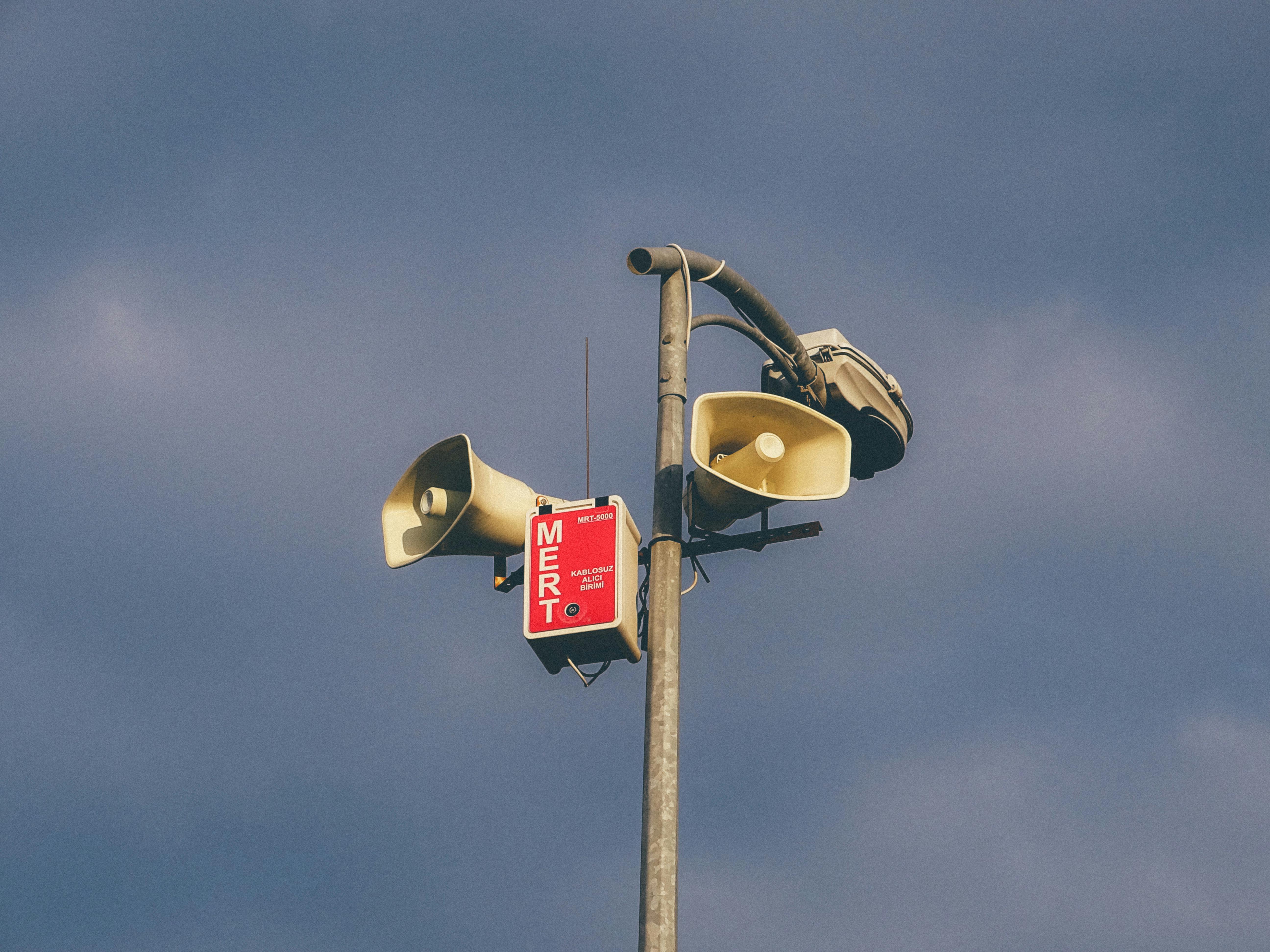
- Early warning systems (available in Japan, Mexico, the Philippines, the US West Coast, and parts of Europe)
- IoT sensors monitoring building vibration and equipment stability
- Cloud-based disaster management platforms
- AI-powered risk forecasting tools
These technologies can significantly reduce reaction time and losses.
9. Train Leadership and Employees Regularly
Preparedness is not a one-time project. Regular training ensures everyone knows what to do when the ground starts shaking. Include:

- Evacuation route reviews
- Hands-on emergency response exercises
- New employee onboarding modules
- Annual refresher drills
Engaged employees respond faster and make fewer life-threatening mistakes.
Conclusion
Earthquake preparedness is an investment that pays off before, during, and after a seismic event. Businesses that plan ahead protect their people, safeguard assets, and maintain operational stability even under extreme conditions. In today’s global economy—where operations span the United States, Europe, and Asia—earthquake readiness is a cornerstone of responsible and resilient business management.
Proactive planning today ensures recovery tomorrow.
Sources / References
U.S. Federal Emergency Management Agency (FEMA) – Earthquake Safety & Business Preparedness
United States Geological Survey (USGS) – Earthquake Hazard Information
European-Mediterranean Seismological Centre (EMSC)
Japan Meteorological Agency (JMA) – Earthquake Early Warning
International Labour Organization (ILO) – Workplace Safety Standards
United Nations Office for Disaster Risk Reduction (UNDRR)
Global Earthquake Model Foundation (GEM)
Asian Disaster Preparedness Center (ADPC)














 West Valley Fault
Leave a comment