
Scan the QR code to get this news on the go.
The Philippine Government is being urged by the World Bank to “ramp up investments in disaster response programs” including the healthcare system to ensure readiness should a catastrophic event ever occur along the West Valley Fault.
The World Bank is referring to the “The Big One” scenario where movement of the West Valley Fault causes a magnitude 7.2 earthquake. Based on a Metro Manila risk assessment an estimated 48,000 fatalities and $48 billion in economic losses might result from this event.
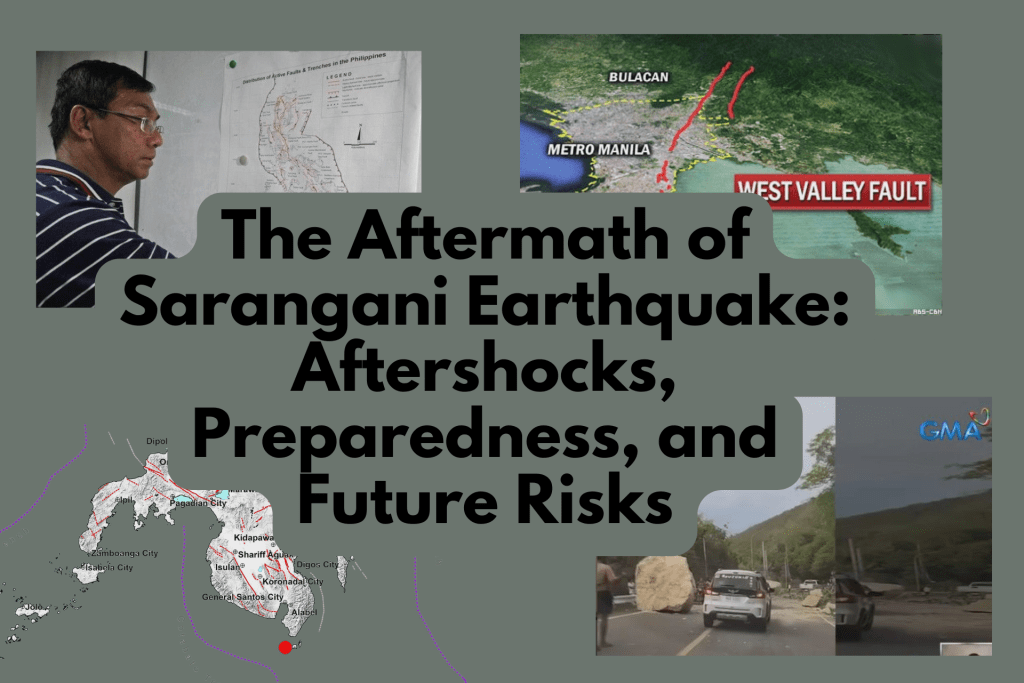
The World Bank considers the West Valley Fault to be the one that “poses the most serious threat” out of all the other earthquake generators in the capital.
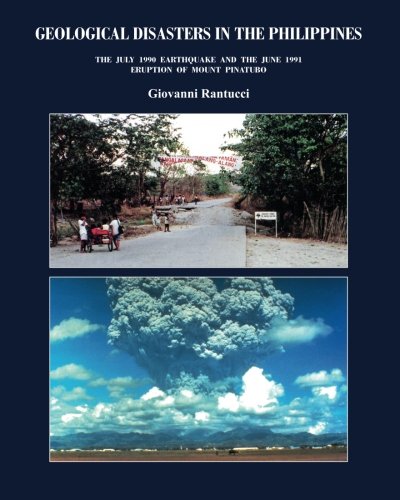
Geological Disasters in the Philippines: The July 1990 Earthquake and the 1991 Eruption of Mount Pinatubo
Critical Areas
They propose targeting road segments and neighborhoods that are critical for emergency preparedness and response. These will ensure fast recovery times and improve the people’s access to the needed public services should a disaster occur.
The proposal was based on their findings that the 5,300 road segments that cross the West Valley Fault may become impassable in the event of an earthquake and therefore prevent people from accessing help and impede the local governments in responding to the emergency.
Liquefaction is another problem that they raised. Liquefaction is the process wherein the ground turns into a liquid-like state caused by the shaking during an earthquake.
In their study 7,000 kilometers of roads or about 34% of the road network in Metro Manila can be affected by liquefaction. Such an occurrence could effectively cut off people and medical services.
The World Bank considers the West Valley Fault to be the one that “poses the most serious threat” out of all the other earthquake generators in the capital.
$300-Million Loan
The World Bank approved a $300-million loan to the Philippines under the Philippines’ Seismic Risk Reduction and Resilience project in 2021.
The funding aims to boost disaster preparedness in Metro Manila and involves the retrofitting of public buildings to make them more resilient against disasters. Another is to improve the preparedness and response capacity of the key government agencies such as the Department of Public Works and Highways.
A total of 425 public buildings will be upgraded under the project, among these will be health facilities and some schools. It also aims to improve emergency preparedness, crisis communication and information management.
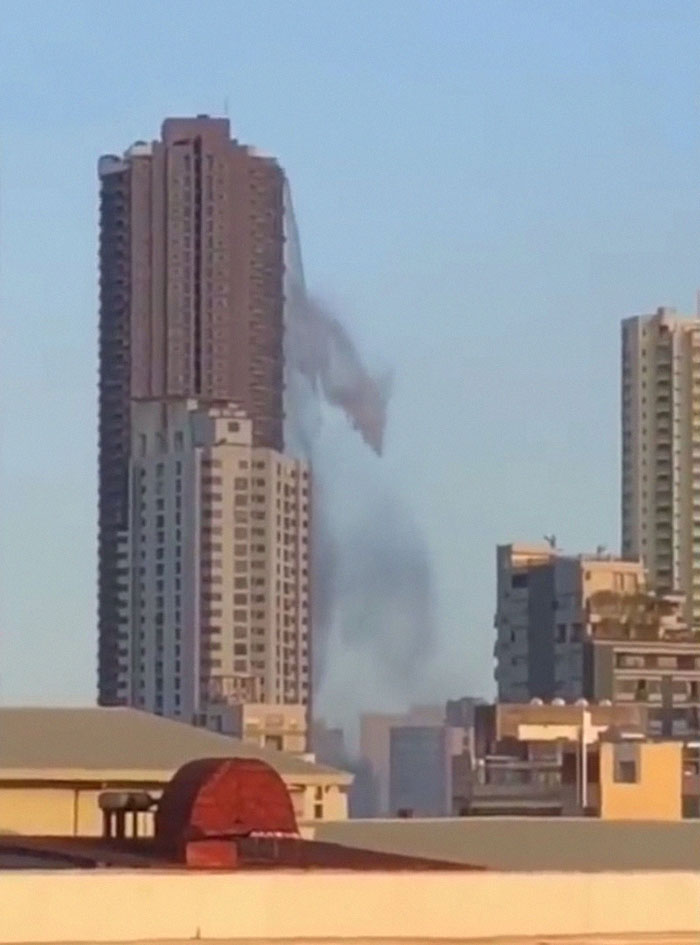
The West Valley Fault
According to the Philippine Institute of Volcanology and Seismology or Phivolcs, the fault moves every 200 to 400 years and that the last recorded event took place in 1658 or 365 years ago.
The fault traverses the cities of Taguig, Muntinlupa, Parañaque, Quezon City, Pasig, Makati and Marikina, as well as the provinces of Rizal, Laguna, Cavite and Bulacan.
Last April 22, 2019, a magnitude 6.1 earthquake hit Central Luzon and left 18 dead, 3 missing and about 250 injured. The estimated damage to schools, roads, and bridges reached P505.92 million.
It’s disasters like this that emphasizes the importance of preparing Metro Manila for earthquakes that occurs close to the city. The World Bank pointed out that this is exactly what the Philippine government is doing with this project and that is “by actively increasing the resilience and safety of the population and proactively strengthening its disaster preparedness”.
Source:













 West Valley Fault
Leave a comment