
Scan the QR code to get this post on the go.
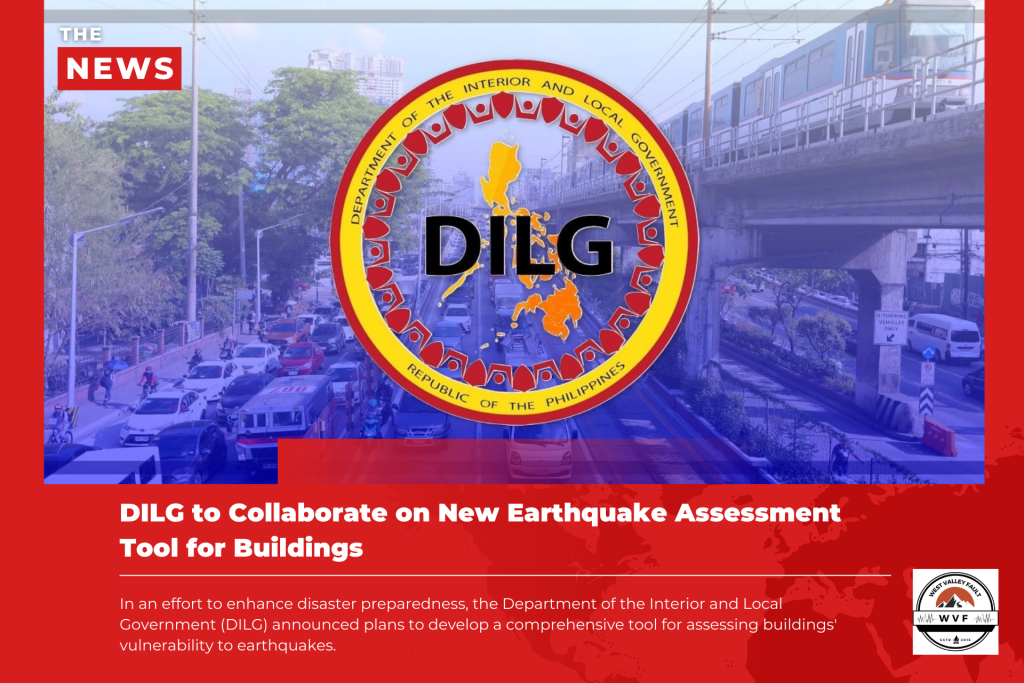
In an effort to enhance disaster preparedness, the Department of the Interior and Local Government (DILG) announced plans to develop a comprehensive tool for assessing buildings’ vulnerability to earthquakes. This initiative, spearheaded by DILG Undersecretary Marlo Iringan, aims to involve various government agencies and stakeholders, including the Department of Science and Technology (DOST), Department of Health (DOH), Department of Education (DepEd), the Philippine Institute of Civil Engineers, and the Association of Structural Engineers of the Philippines.
Collaborative Efforts and Academic Involvement
During a post-State of the Nation Address (SONA) forum in Pasay City, Undersecretary Iringan emphasized the importance of a multi-sectoral approach. He highlighted the potential role of the Commission on Higher Education (CHED) and academic institutions. “We want to enlist the assistance and support of universities and colleges offering civil engineering courses. The students will help us assess the status of buildings and determine their vulnerability to earthquakes. We aim to develop this tool by the end of the year and implement it across local governments nationwide,” Iringan stated.
Strengthening Disaster Preparedness
This initiative aligns with the Office of Civil Defense’s (OCD) call for enhanced engineering interventions to mitigate the impact of potential earthquakes. Iringan noted that the government has already made significant strides in disaster preparedness through the “Operation Listo” program. This advocacy campaign aims to bolster the disaster readiness of local government units (LGUs) by establishing local protocols for disaster response and monitoring.
“Under the leadership of Secretary Benhur Abalos, the DILG is also coordinating with LGUs to heighten their preparedness,” Iringan added. He stressed the need to evaluate the structural integrity and capacity of critical facilities, such as evacuation centers, to ensure they can withstand earthquakes and other disasters.
Further Reads

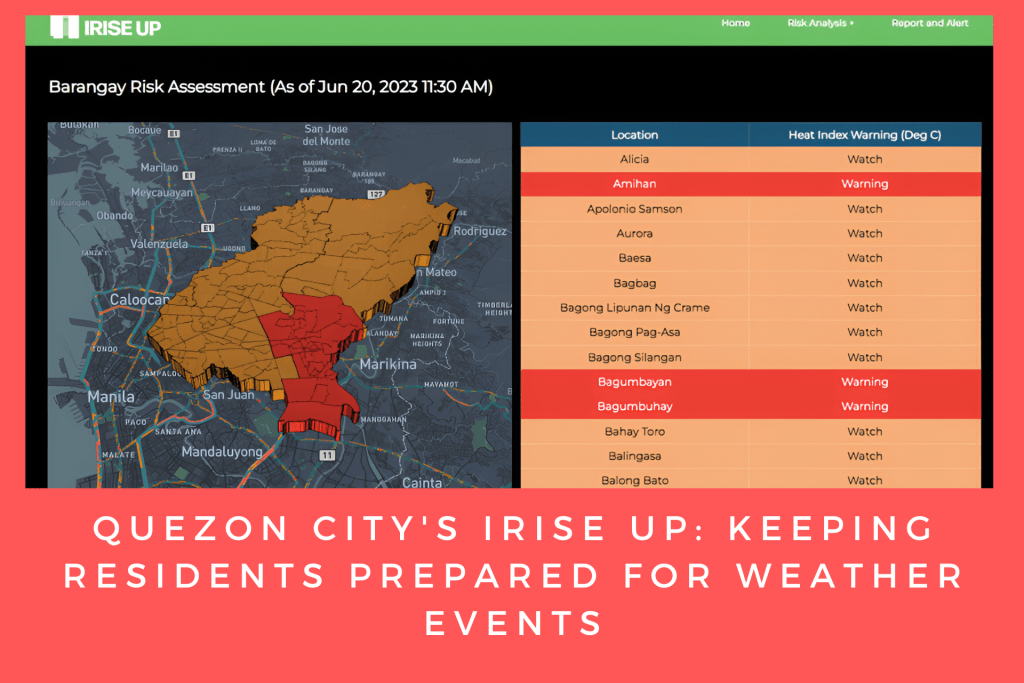
Quezon City’s iRISE UP: Keeping Residents Prepared for Weather Events
Nationwide Clean-Up Drive: War on Waste
In a parallel effort to promote community well-being, the DILG reported the collection of 40,000 tons of waste from villages across the country as part of the “Kalinga at Inisyatiba para sa Malinis na Bayan” (KALINISAN) program. This initiative, which began in January, was praised by President Ferdinand R. Marcos Jr. during his SONA.
Undersecretary Iringan highlighted the program’s success, attributing it to the spirit of “bayanihan” or community cooperation. “We have 42,000 barangays with only 20 officials each. That’s 800,000 hands. If we mobilize 115 million Filipinos twice, that’s 230 million hands working together for cleaner and greener communities,” he explained.
Future Plans and Incentives
Looking ahead, the DILG aims to strengthen the KALINISAN program by providing incentives to the most deserving barangays. Additionally, efforts will be made to raise public awareness about Republic Act 9003, also known as the Ecological Solid Waste Management Act of 2000. By doing so, the government hopes to foster a culture of environmental responsibility and sustainable waste management practices across the nation.
Through these comprehensive initiatives, the DILG is committed to enhancing disaster preparedness and promoting environmental sustainability, ensuring safer and healthier communities for all Filipinos.
Source: PNA


















 West Valley Fault
Leave a comment