
Scan the QR code to get this post on the go.
In a collective effort to increase public awareness of fault lines in Davao City, the Office of the Civil Defense XI (OCD XI), in partnership with the Department of Science and Technology-Philippine Institute of Volcanology and Seismology (DOST-PHIVOLCS) and the Davao City Disaster Risk Reduction and Management Office (CDRRMO), organized a simultaneous “Walk the Fault” activity on September 25. This initiative focused on identifying and marking fault lines across eight barangays in Davao City, namely: Tamugan, Calinan, Riverside, Los Amigos, Tugbok Proper, Bangkas Heights, Binugao, and Sirawan.
The goal of this event was clear: to equip residents, especially those living in fault-line zones, with the necessary knowledge to better prepare for potential earthquakes. By pinpointing the exact locations of these fault lines, the city aims to ensure that both residents and developers are well-informed about the risks associated with ground movement in these areas.
Proactive Earthquake Preparedness for Davao Residents
Alfredo Baloran, chief of CDRRMO, emphasized the importance of providing advance information about fault lines to help residents and city planners make informed decisions.

“Here in Davao City, it’s crucial that we understand what steps to take when the ground shakes. Identifying fault lines helps us provide advance warnings and guides us in future development plans,” Baloran noted.
Residents in the identified areas were active participants in the activity, walking alongside experts to better understand the risks their communities face. Baloran shared that the initiative has already had a noticeable impact. From previous “Walk the Fault” activities, many residents have taken precautionary steps to secure their homes, and some have even reconsidered plans to build large structures over these fault lines.

Learning from the Past: Improved Readiness and Community Engagement
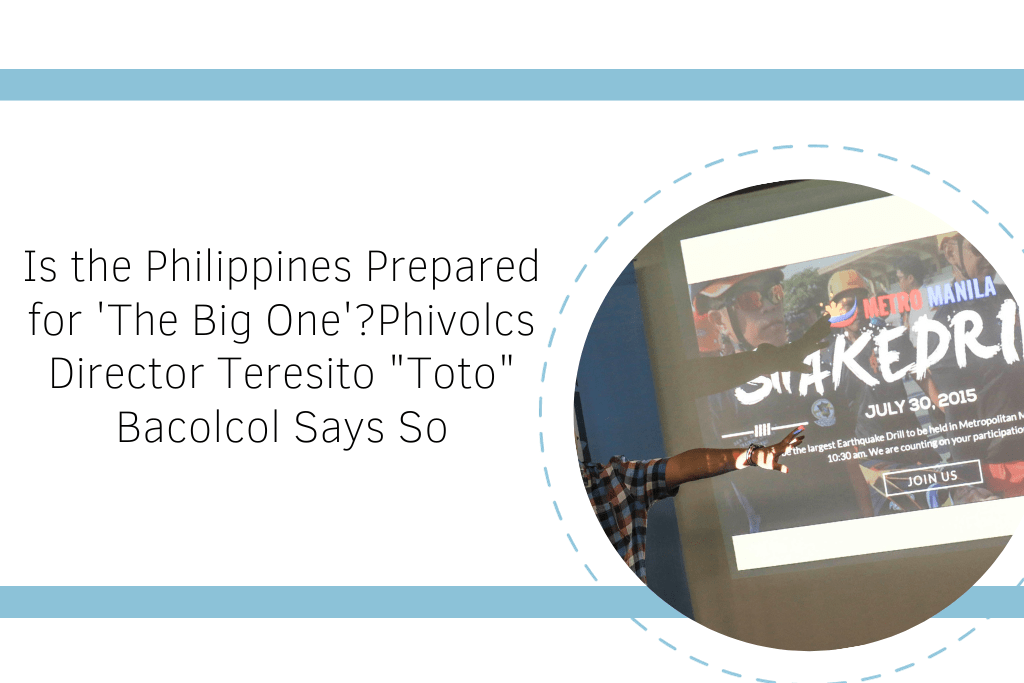
The “Walk the Fault” activity is part of a broader effort to foster a culture of preparedness in the face of the Philippines’ seismic vulnerabilities. Dr. Teresito Bacolcol, director of DOST-PHIVOLCS, highlighted the importance of identifying fault lines to prepare for earthquakes, even if they cannot be prevented.
“These fault lines serve as a reminder that while we cannot stop earthquakes, we can certainly prepare for them. The more we know about these faults, the better equipped we are to respond when an earthquake occurs,” Bacolcol said during the event.

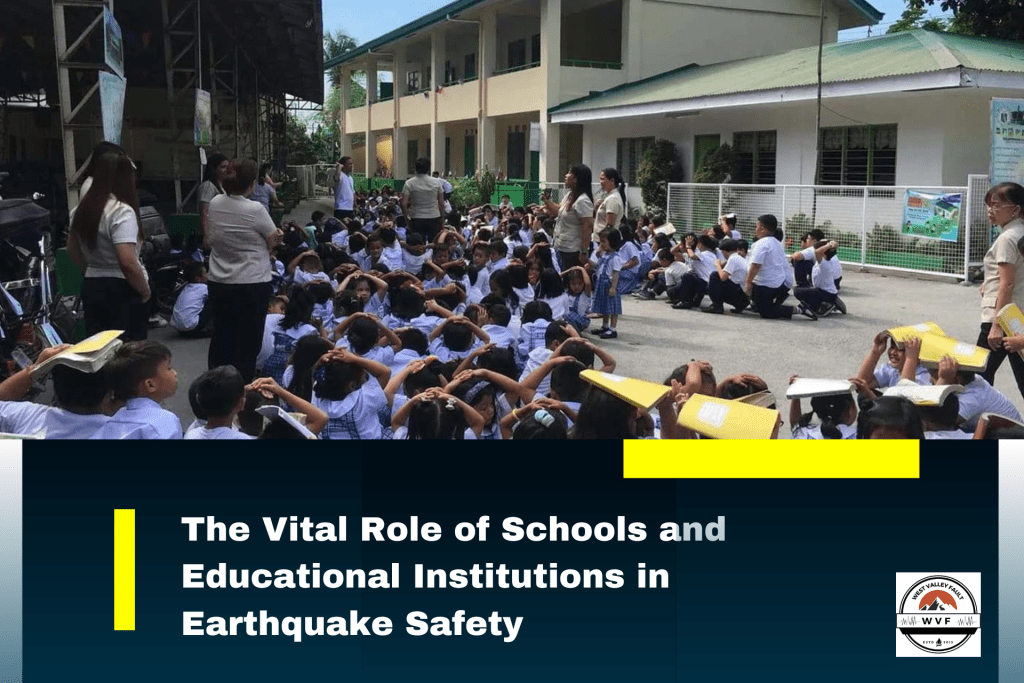
He further commended the increased awareness among the public, noting that with social media and rapid information dissemination, more people are becoming knowledgeable about earthquake preparedness. Regular earthquake drills have also played a significant role in ensuring that communities remain vigilant and ready.
A Call for Collective Responsibility
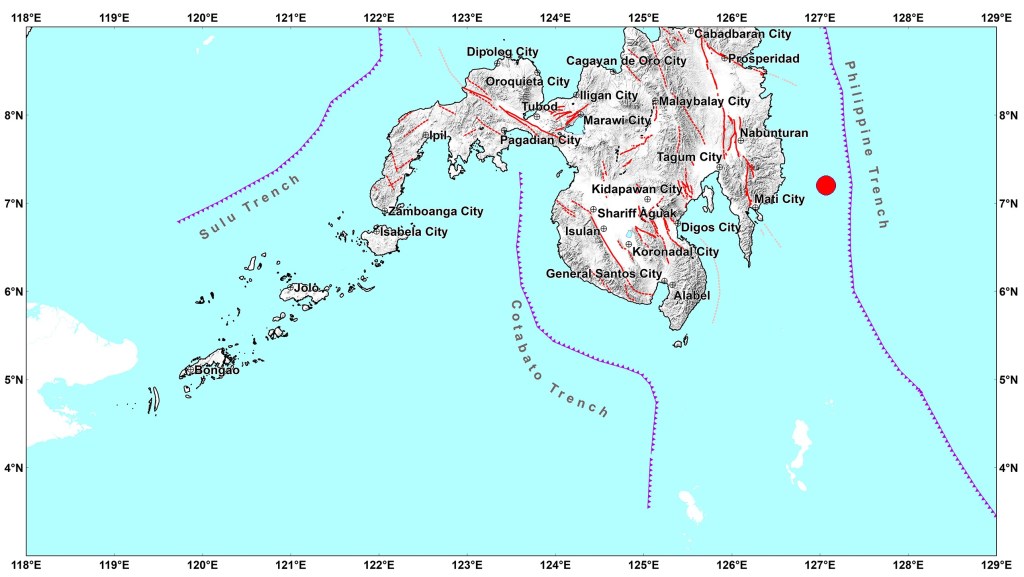
As part of the Pacific Ring of Fire, the Philippines is vulnerable to frequent seismic activity, with 175 active fault segments across the country. Bacolcol reiterated that earthquake preparedness is a shared responsibility and urged Dabawenyos to remain proactive.
“Disaster preparedness is not just the responsibility of PHIVOLCS or OCD; it is a collective duty. Earthquakes are inevitable, but with the right knowledge and preparation, we can mitigate their impact,” Bacolcol concluded.
This initiative highlights Davao City’s commitment to reducing earthquake risks and underscores the importance of community engagement in disaster preparedness. By staying informed and taking proactive steps, residents can help safeguard their lives and property in the event of an earthquake.
Source: davaocity.gov.ph









 West Valley Fault
Leave a comment