Scan the QR code to get this info on the go.
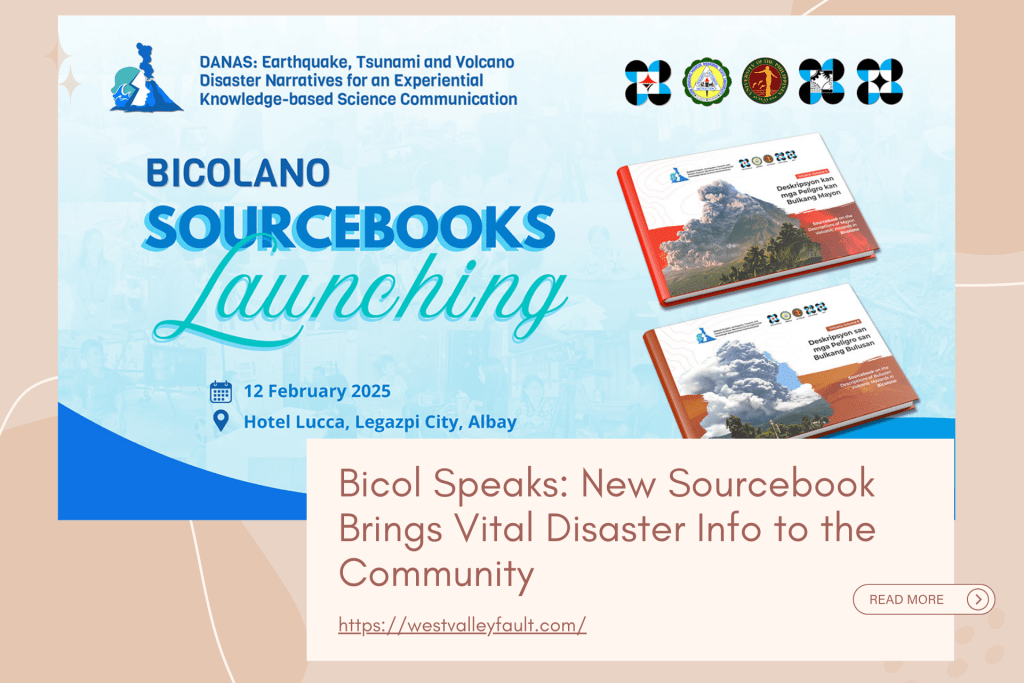
Understanding earthquakes, tsunamis, and volcanic eruptions shouldn’t require a science degree. That’s the core idea behind the Department of Science and Technology-Philippine Institute of Volcanology and Seismology (DOST-Phivolcs)’s groundbreaking “DANAS” project, a new sourcebook designed to empower Bicolano communities with crucial hazard preparedness information.
What makes “DANAS” unique? It’s not just another technical manual. This project, officially titled “Earthquake, Tsunami, and Volcano Disaster Narratives for Experiential Knowledge-based Science Communication,” takes a community-centric approach, translating complex scientific concepts into the everyday language of Bicol.
Why Bicol? The region is no stranger to natural hazards, nestled near the active Mayon and Bulusan volcanoes. This sourcebook leverages the lived experiences of Bicolanos, weaving their stories of ashfalls and tremors into practical lessons for disaster resilience.
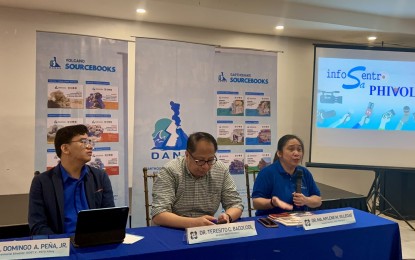
“These are not just stories; they contain lessons shaped by ashfalls and tremors,” emphasizes Phivolcs Director Teresito Bacolcol. He highlights the importance of making scientific knowledge accessible, stating, “Understanding geologic hazards should not be confined to technical reports and scientific jargon; it should speak the language of the people.”

The “DANAS” project, funded by the DOST’s Philippine Council for Industry, Energy, and Emerging Technology Research and Development (PCIEERD) and developed in collaboration with Don Mariano Marcos Memorial State University – La Union, goes beyond simple translations. It aims to bridge the gap between scientific data and community understanding by:
- Combining Scientific Data with Personal Narratives: The sourcebook integrates firsthand accounts from survivors, providing a powerful and relatable context for understanding natural disasters.
- Utilizing Regional Languages: By using the Bicol language, “DANAS” ensures that vital information reaches a wider audience, including those who may not be fluent in English or Tagalog.
- Providing Diverse Formats: The project will be available in both print and digital formats, including engaging video packages, catering to different learning styles and accessibility needs.

“The DANAS Project demonstrates that our experiences are crucial for our preparedness,” notes Enrico Paringit, executive director of PCIEERD. He underscores the importance of effective communication in disaster management, urging continued efforts to strengthen scientific outreach.
Who will benefit from “DANAS”? The sourcebook will be distributed to educators, Disaster Risk Reduction and Management (DRRM) officers, and media outlets across the Bicol region, ensuring that this valuable resource reaches those who need it most.
This initiative marks a significant step forward in disaster preparedness, demonstrating the power of community engagement and culturally relevant communication. By making science accessible and relatable, “DANAS” empowers Bicolano communities to build a safer and more resilient future.
Source: PNA









 West Valley Fault
Leave a comment