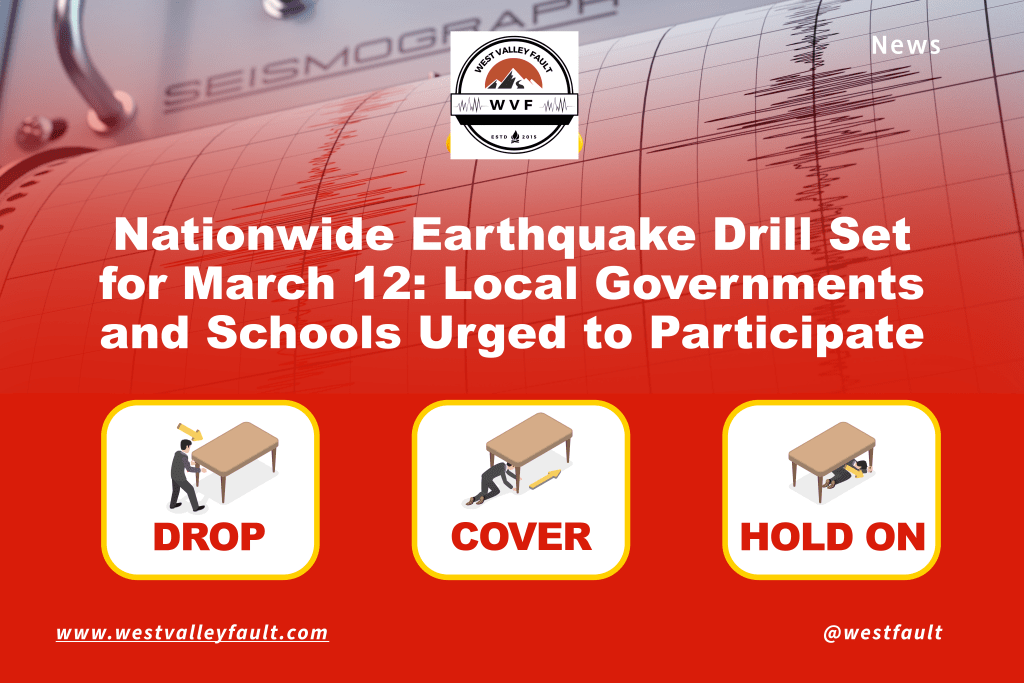
Patients and healthcare workers at Gregorio T. Lluch Memorial Hospital, commonly known as City Hospital, recently took part in the first-quarter Nationwide Simultaneous Earthquake Drill (NSED) on March 12. The activity formed part of ongoing disaster preparedness initiatives led by the Iligan City Disaster Risk Reduction and Management Office (ICDRRMO), aimed at strengthening community readiness for emergencies.

Scan the QR code to get this post on the go.
The quarterly drill is conducted across the country to ensure institutions, communities, and public facilities understand how to respond during earthquakes and other disasters. According to ICDRRMO head Armien Alorro, even though Iligan City itself has no known earthquake fault line, tremors from nearby areas can still affect the city, making preparedness essential.
Strengthening Earthquake Preparedness in Hospitals
Hospitals play a crucial role during disasters, particularly because many patients have limited mobility. For this reason, the drill focused heavily on evaluating and improving the hospital’s evacuation procedures.
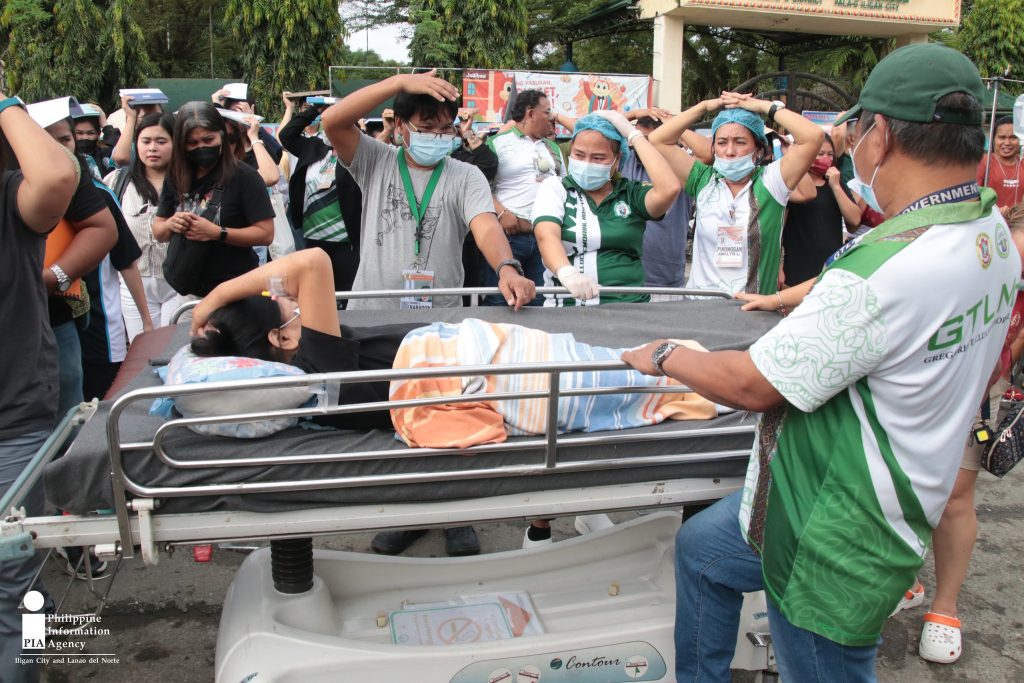
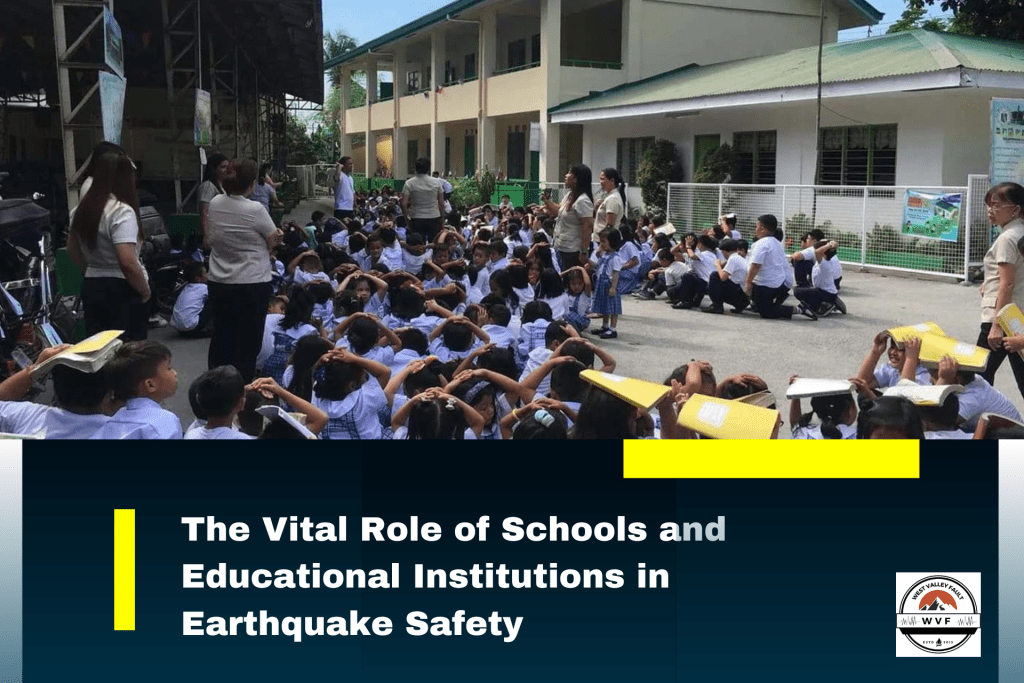
Participants practiced the widely recognized earthquake safety technique: “duck, cover, and hold.” Alorro emphasized that discipline and adherence to protocols are critical in emergency situations, especially in healthcare settings where quick and organized responses can save lives.
Last year’s earthquake drill revealed several areas that required improvement, particularly in evacuation planning. This year’s exercise aimed to ensure the hospital had a clearer and more efficient system in place for safely moving patients during emergencies.
“So, kinahanglan ma-establish na to, atong effective evacuation plan. Just like what happened now, medyo okay na ilang evacuation plan. Kasi sa evacuation plan, for each patient, the hospital personnel should know kung kinsa mag-agi dinhi nga ramp or kinsa mag-agi diri nga ramp,” she said.
“So, we need to establish our effective evacuation plan. Just like what happened now, their evacuation plan was somewhat okay. Because in an evacuation plan, for each patient, the hospital personnel should know who will go through this ramp or who will go through that ramp.)

The plan includes implementing one-way traffic evacuation routes, ensuring that hospital staff clearly understand which ramps or exits patients should use. Authorities plan to review the system again during the fourth-quarter drill to assess improvements.
Evacuation Plans for All Types of Disasters
Alorro stressed that evacuation planning is not limited to earthquake scenarios.
“This is really very important, kay dili lang sa earthquake ang evacuation plan (because the evacuation plan is not just for earthquakes). It’s not only applicable to earthquakes but to all types of disasters. And they should know where to go, kung asa gyud ang safe nga evacuation area (where the safe evacuation area is),” she said.
In earthquake situations, a safe evacuation area does not necessarily mean a building. Instead, officials recommend open spaces free from structures, since earthquakes typically last only seconds or minutes.
Patients Participate and Learn Safety Measures
Patients waiting for consultations also joined the drill, gaining firsthand knowledge of how to respond during earthquakes.
For many participants, the experience was both educational and reassuring.
Carmelita Sismar DayDay, 66, from Barangay Tubod, said the activity was particularly helpful for senior citizens, highlighting the importance of remaining calm during emergencies and learning proper safety procedures.
Cecilia Samong Quina, also from Barangay Tubod, shared that the drill gave her a clearer understanding of what actions to take when earthquakes occur.

“Maayo kaayo ni kay maka-learn kung naay kalamidad o naay earthquake, makabalo mi unsay buhaton (This is really good because we can learn what to do in case of a calamity or an earthquake),” she said.
Another participant, 72-year-old Eulalia Ordinesa Bercero from Kapatagan, Lanao del Norte, said she previously had little knowledge about earthquake safety. The drill helped demonstrate the proper steps people should take during emergencies.
Nationwide Effort to Improve Disaster Readiness
The Nationwide Simultaneous Earthquake Drill is conducted four times each year in coordination with the Office of Civil Defense and other government agencies. These exercises aim to ensure hospitals, government offices, and communities remain prepared for earthquakes and other potential disasters.
Officials say regular drills help improve response coordination, strengthen evacuation procedures, and build public awareness—key factors in reducing risks and saving lives during emergencies.
Source: pia.gov.ph
Preparedness Check
Based on today’s article, we recommend having these useful items to get you and your family prepared in case of an evacuation:
- Dual Fuel Portable Camping Stove
- FosPower NOAA Emergency Weather Radio
- Datrex Emergency Water Packet 4.227 oz – 3 Day/72 Hour Supply (18 Packs)
- Anker 737 24,000mAh Power Bank
Note: We only recommend items we believe adds real value to your safety plan. If you purchase through these links, we may earn a small commission at no extra cost to you.










 West Valley Fault
Leave a comment