


Scan the QR code to get this news on the go.
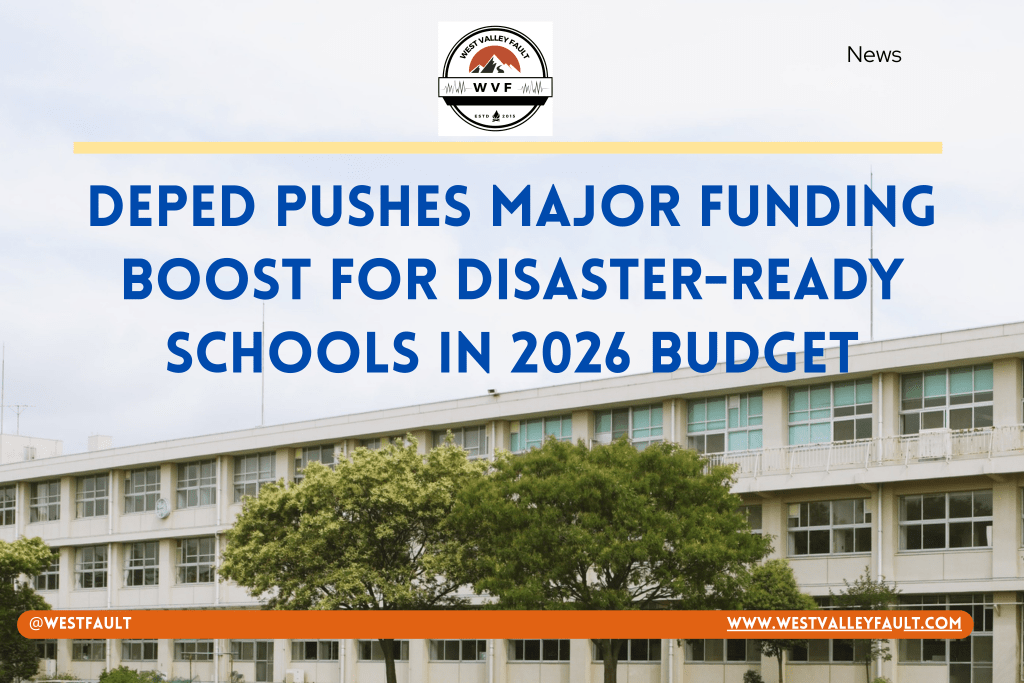
In a significant move to bolster the Philippines’ education infrastructure and disaster preparedness, the government is actively pursuing a $500 million loan from the World Bank.
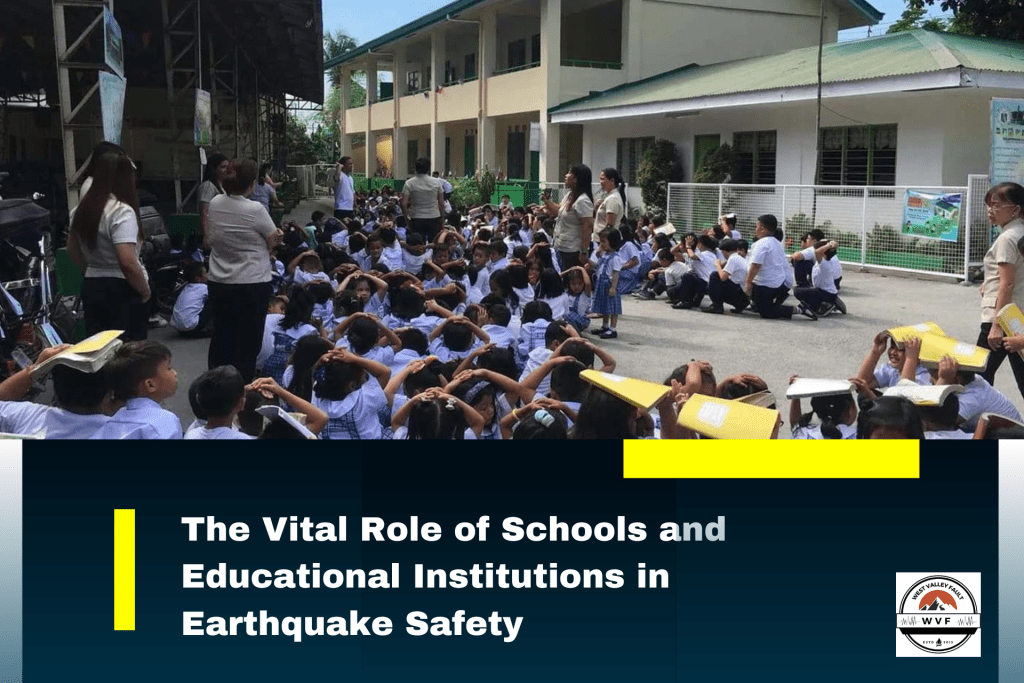
The funds will be channeled into the Infrastructure for Safer and Resilient Schools project, aimed at rehabilitating schools affected by natural disasters like typhoons and earthquakes.
This ambitious initiative not only addresses the urgent need for physical rehabilitation but also seeks to enhance the resilience of schools in the face of calamities.
Multiple tropical cyclones and earthquakes wreaked havoc on school infrastructure between 2021 and 2023, leaving a significant number of students studying in inadequate conditions, including makeshift learning spaces.
The total project cost is pegged at $501.25 million, and it is scheduled for discussion at the World Bank board meeting on May 30, 2024.
The scope of the project is vast, encompassing more than 3,000 schools across several regions, notably Caraga, Cordillera Administrative Region, and Regions III, V, VI, VII, VIII, and XI.
The Department of Education (DepEd) and the Department of Public Works and Highways (DPWH) will jointly oversee its implementation.
The urgency of this project cannot be overstated, given the Philippines’ vulnerability to natural disasters. The nation witnesses the entry of around 20 cyclones annually, posing a constant threat to its educational infrastructure.
Data also showed that there are 7,250 schools located in high seismic zones; 8,000 near rivers; 5,000 by coastlines; and 1,200 on islands.
Between 2021 and 2023, an alarming 3,484 school facilities across the country fell victim to various natural disasters, as per DepEd data. Moreover, staggering numbers reveal that 7,250 schools are situated in high seismic zones, 8,000 are near rivers, 5,000 by coastlines, and 1,200 on islands, making them susceptible to a range of hazards.
The project aims to focus on three crucial aspects: the rehabilitation of disaster-affected school infrastructure, effective project management and monitoring, and a pre-financing mechanism for emergencies.

Is the Philippines Prepared for ‘The Big One’?Phivolcs Director Teresito “Toto” Bacolcol Says So
By incorporating vulnerability reduction criteria into rehabilitation designs, the project intends to fortify school buildings against future hazard events. A comprehensive damage and vulnerability assessment of affected school facilities will be a key component of this endeavor.
In addition to the physical aspect, this project addresses the issue of low student attendance resulting from subpar school conditions. By transforming these schools into safer and more inviting learning environments, it aims to reverse the trend of absenteeism.
This World Bank loan signifies a significant step toward safeguarding the future of education in the Philippines while enhancing the nation’s resilience in the face of natural disasters.
It is a testament to the government’s commitment to providing quality education and ensuring the safety of its students and teachers. Stay tuned for updates on this vital project, which promises to make a lasting impact on the education landscape of the Philippines.
Link to original article by Luisa Maria Jacinta C. Jocson on BusinessWorld
PHL seeks $500-M WB loan for safer school infrastructure












 West Valley Fault
Leave a reply to Davao City Takes a Stand: New Earthquake Response Ordinance for Safer Structures – West Valley Fault Cancel reply