

Scan the QR code to get this post on the go.
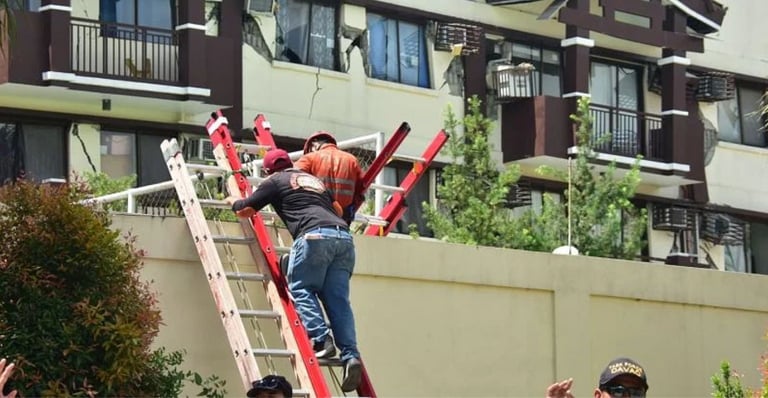
In a significant move towards ensuring the safety of its residents, the 20th Davao City Council has given its final approval to the Davao City Earthquake Disaster Response Ordinance. This groundbreaking legislation, passed during the 40th Regular Session, aims to fortify the city’s buildings and structures, making them more resilient in the face of potential earthquakes. Here’s what you need to know about this groundbreaking development.
Putting Safety First: The Earthquake Response Ordinance
This new ordinance has adopted the General Building Requirements laid out in Section 104 of the National Building Code of the Philippines. The core principle is simple yet crucial: all buildings and structures should be designed for their intended purpose, with a strong focus on environmental safeguards. Furthermore, these structures must be maintained in a safe, sanitary, and functional condition to ensure the safety and functionality of their intended purpose.
Earthquake Recording Instruments (ERIs): Strengthening the City
One of the key provisions of this ordinance, proposed by First District Councilor Edgar Ibuyan Jr., is the mandatory installation of Earthquake Recording Instruments (ERIs) in buildings. These ERIs will play a pivotal role in monitoring earthquake activity and enhancing the structural strength of buildings. Councilor Ibuyan emphasized that this measure is aimed at preventing further disasters and minimizing damage to existing structures.
Further Reads
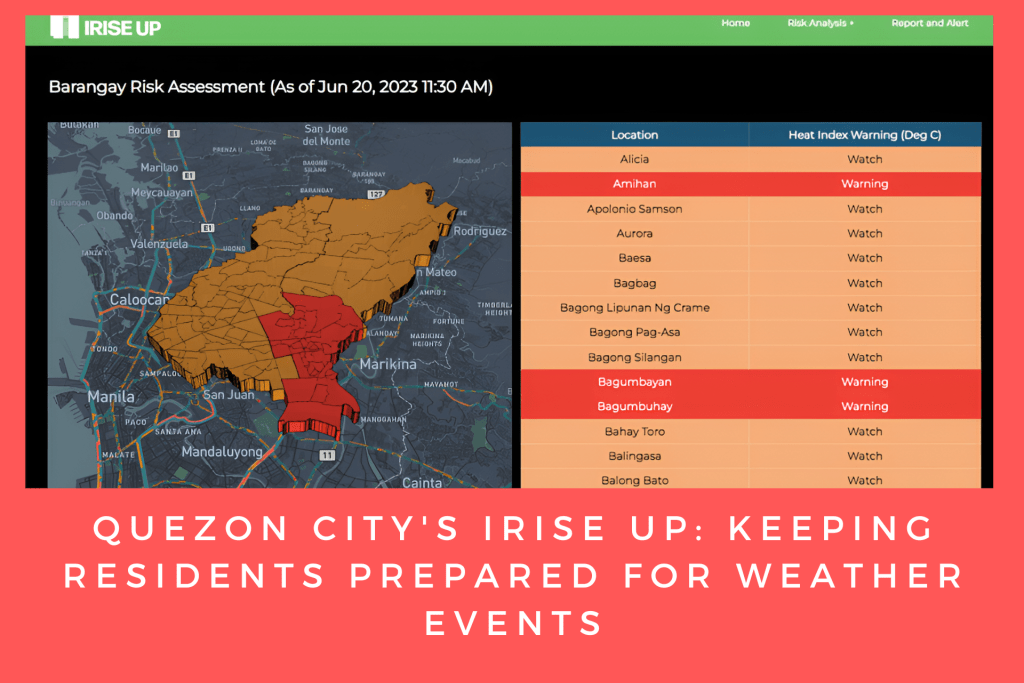
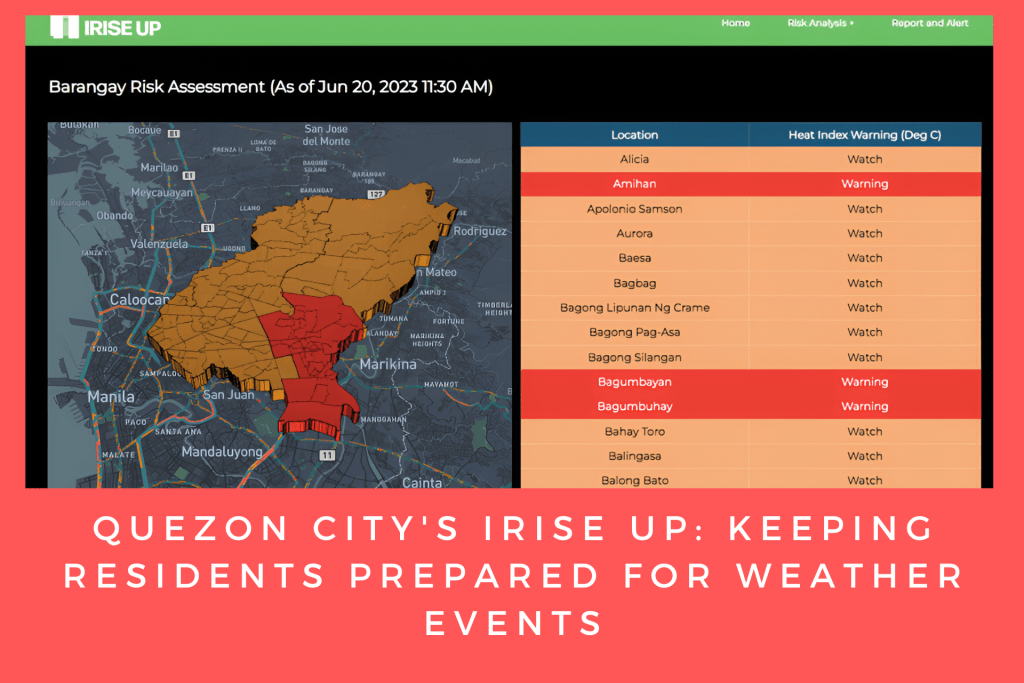
Quezon City’s iRISE UP: Keeping Residents Prepared for Weather Events
What You Need to Know About ERIs
For buildings located in Seismic Zone 4 and above 50 meters in height, this ordinance requires the installation of at least three certified ERIs, unless the Office of the City Building Official (OCBO) grants a waiver. These instruments must be strategically placed at the bottom, middle, and top of the structure. Building owners are also responsible for the maintenance and servicing of ERIs, under the supervision of the Building Official.
Compliance with National Standards
The National Structural Code of the Philippines (NSCP) will be the guiding light in defining standards for various types of construction. This ensures that all structures in the city meet the requisite safety criteria. Importantly, only structures equipped with seismic equipment are eligible for building permits, regardless of their location or site.
Special Provisions for Sensitive Areas
In areas within 200 kilometers of Type A faults, the Philippine Institute of Seismology and Volcanology (Phivolcs) and NSCP 2010 will determine the specific requirements. Government structures exceeding 50 meters in height, including hospitals and schools, are mandated to have three accelerographs. Similarly, hospitals with a bed capacity of 50 or more and educational institutions with 20 or more classrooms, each not less than three stories high, must install an accelerograph or accelerometer connected to a data logger.
Further Reads

Philippines Seeks $500 Million World Bank Loan for Safer and Resilient Schools
Private Building Owners Take Note
Private buildings reaching 50 meters or more in height must contain three accelerographs, alongside one accelerograph and two or three accelerometers. For commercial structures with an occupancy of at least 1,000 people or a gross floor space of at least 10,000 square meters, one accelerometer or one accelerograph is mandatory.

In areas outside the 200-km radius, one accelerograph may be installed on the ground floor or the lowest basement level. When similar structures are grouped together, they must have a minimum of 18 channels and a shared data logger, with instrument placement to be determined by an authorized structural engineer.
Response Team for Safety
To ensure swift and effective actions in the event of an earthquake, a Davao City Earthquake Response Task Force will be established. This task force will be responsible for producing regular reports on its activities, keeping the Vice Mayor’s Office and the City Mayor’s Office in the loop.
Strict Enforcement
The ordinance makes it clear that building owners who fail to comply will face consequences. For a first offense, a fine of P3,000 will be imposed, followed by a P5,000 fine for the second offense. For a third offense, the ordinance authorizes the revocation or cancellation of Business Permits, subject to the OCBO’s recommendation.
Davao City’s Earthquake Disaster Response Ordinance is a significant step towards fortifying the city’s infrastructure and ensuring the safety of its residents in the face of seismic threats. By proactively monitoring and strengthening buildings, the city is taking a proactive approach to disaster preparedness. The safety of Davao’s citizens is the top priority, and this new ordinance is a testament to the city’s commitment to protecting its community.
Source: Sunstar.com.ph








 West Valley Fault
Leave a comment