

Scan the QR code to get this blog on the go.
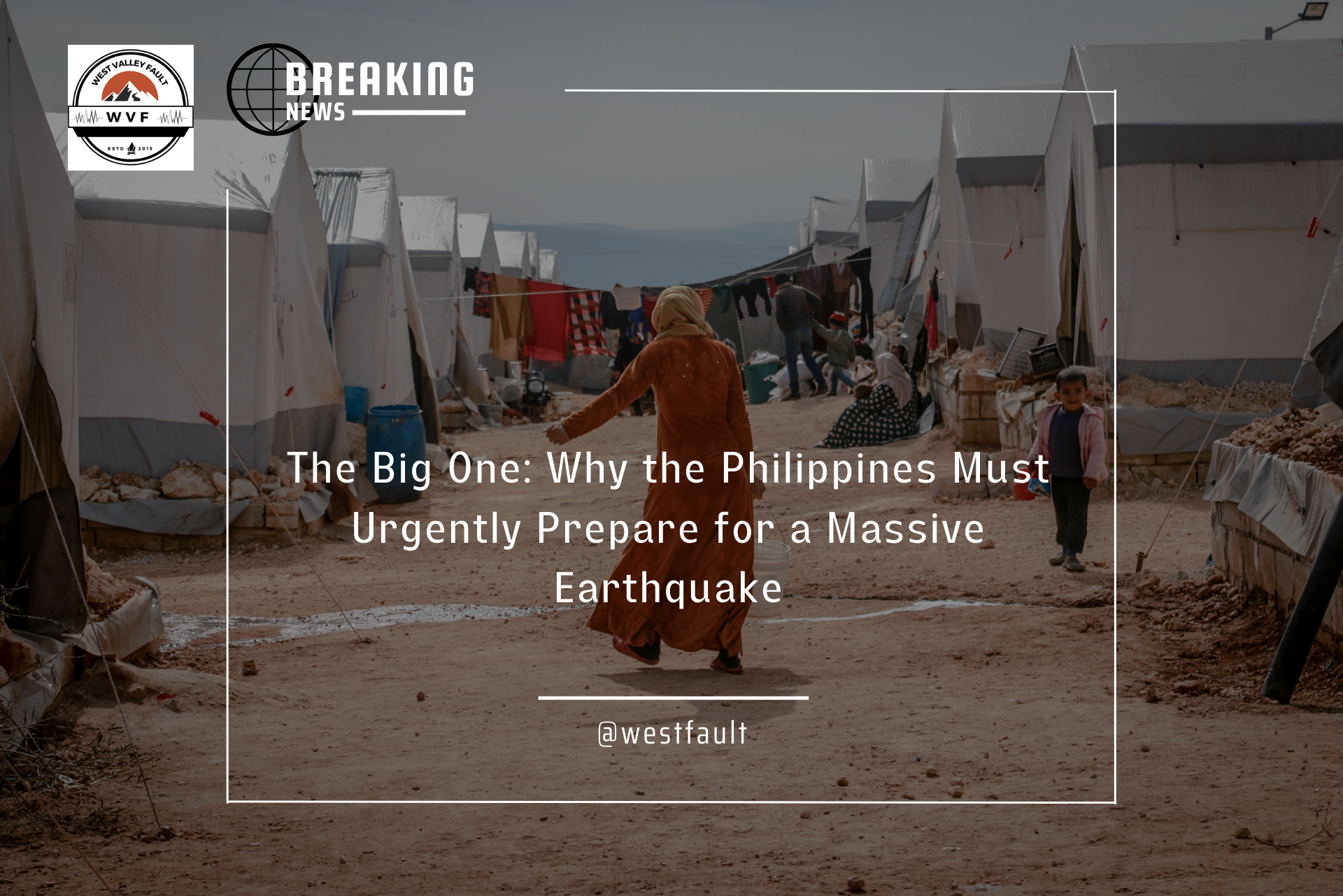
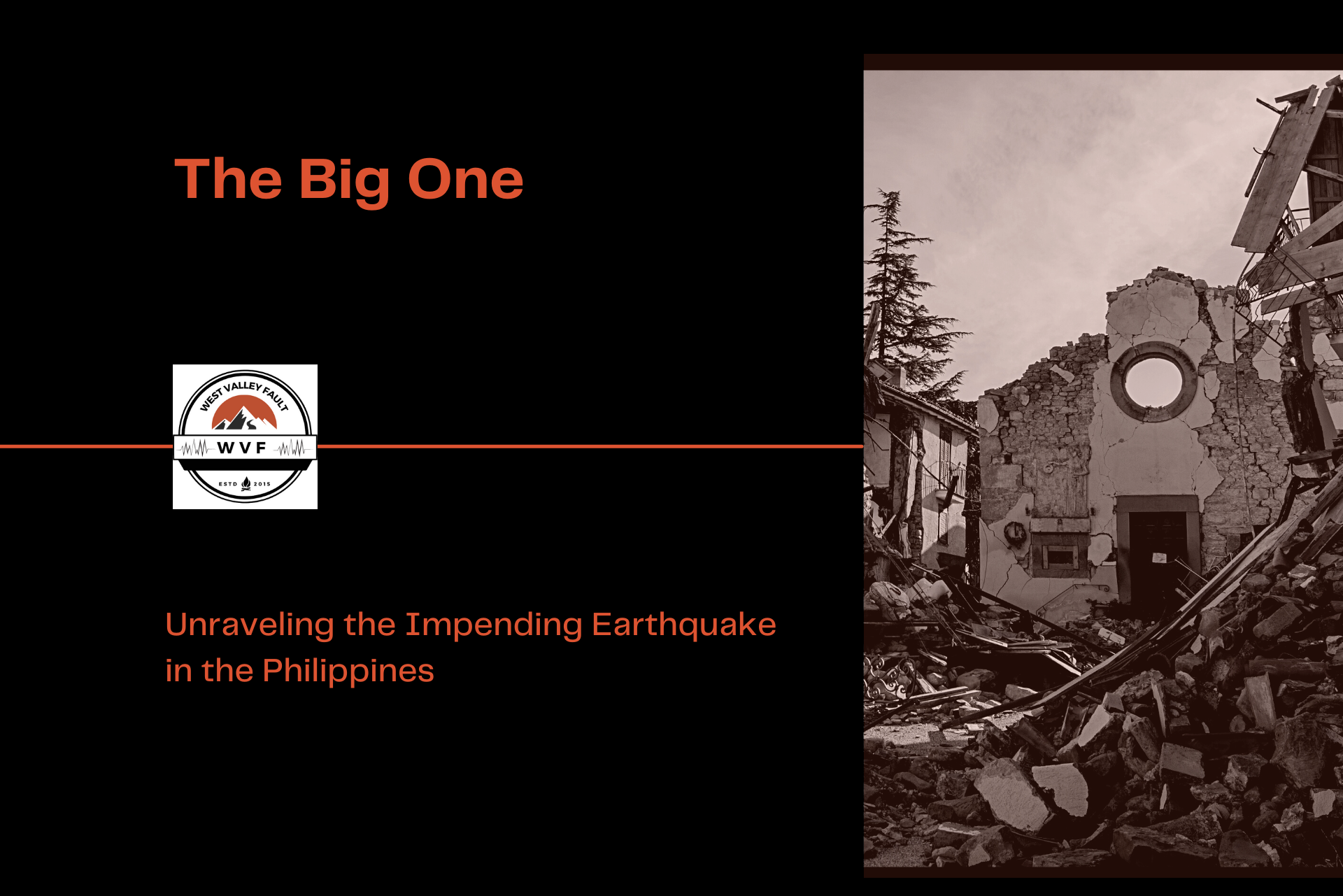
Filipino communities are being urged to intensify preparations for a potentially catastrophic earthquake, often referred to as “The Big One,” which experts warn could strike anytime. As disaster readiness leaders emphasized at the recent Asia-Pacific Ministerial Conference on Disaster Risk Reduction (APMCDRR), the potential impacts of this quake could be devastating, especially in densely populated areas of Metro Manila and surrounding provinces.
Understanding the Risk: The West Valley Fault and Its Potential for Destruction
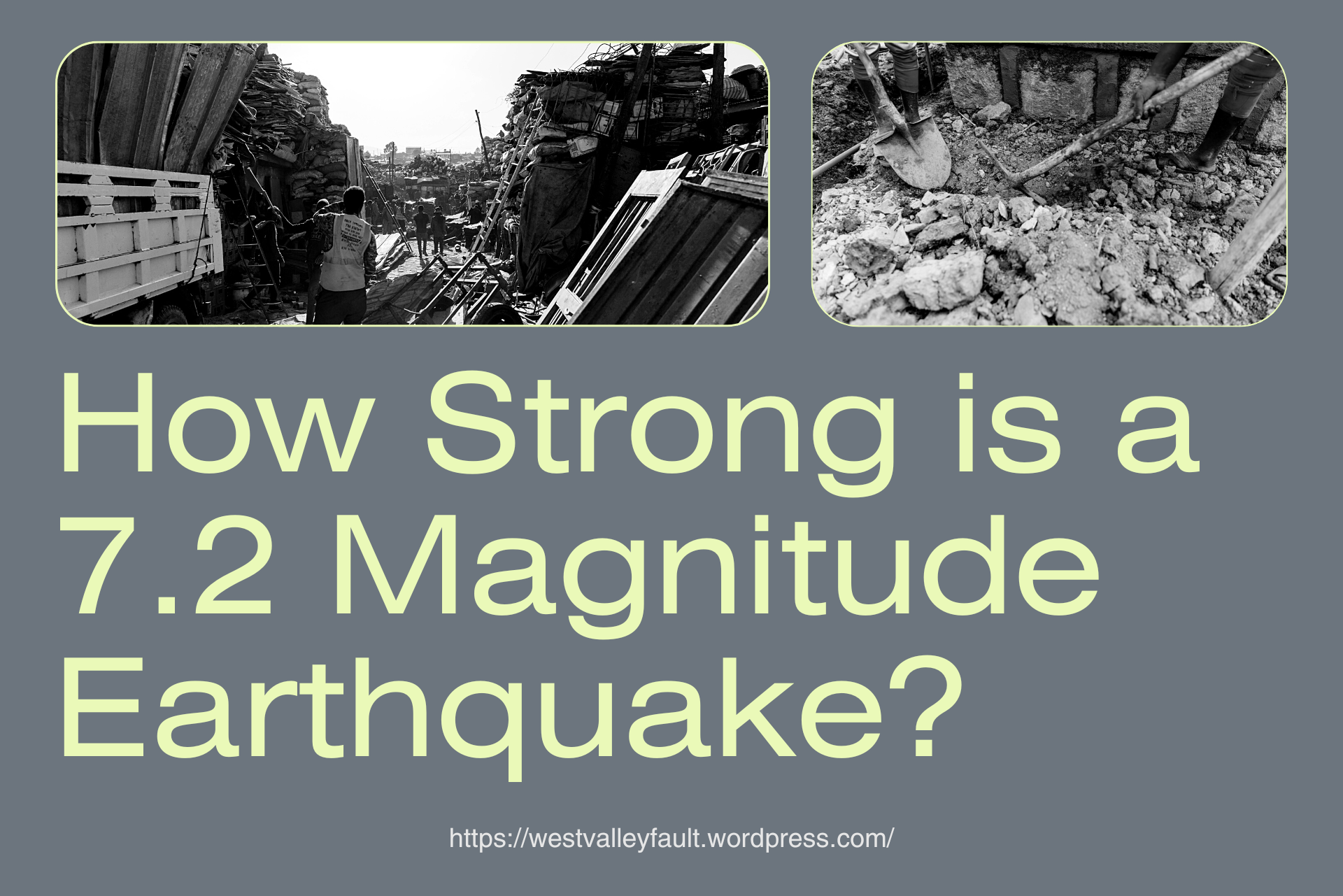
The West Valley Fault, which runs through eastern Metro Manila and neighboring regions, could trigger an earthquake of magnitude 7.2 or higher, causing widespread destruction and threatening millions. According to former National Disaster Risk Reduction and Management Council (NDRRMC) head Alexander Pama, projections indicate that if such an earthquake were to strike now, nearly 47,000 casualties would be expected, with tens of thousands more sustaining critical injuries.
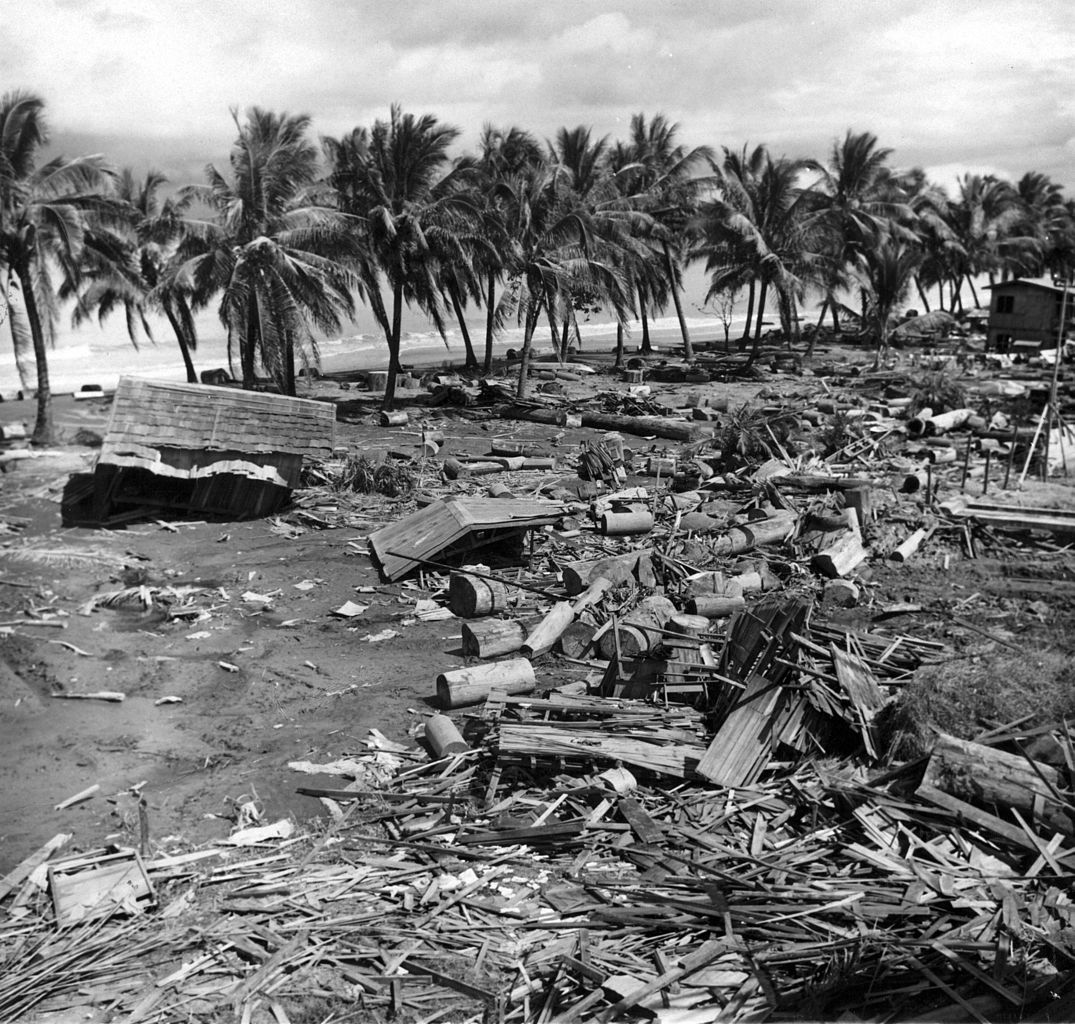
“Compared to other hazards, an earthquake can be far more destructive because it directly impacts buildings and infrastructure,” said Department of Science and Technology (DOST) Secretary Renato Solidum Jr. In severe flooding, for instance, the water eventually recedes, but with an earthquake, damage is immediate and potentially catastrophic, often requiring years to repair.

Metro Manila and Beyond: Expanding the Scope of Preparedness
Solidum underscored the importance of extending preparedness efforts beyond Metro Manila to nearby provinces, including Bulacan, Rizal, Cavite, Laguna, and parts of Pampanga. “We estimate around 50,000 deaths if we fail to act on our preparedness plans,” Solidum noted. The estimates, based on studies from the Philippine Institute of Volcanology and Seismology (Phivolcs), highlight the need for collective action and resilience across communities.
Solidum also emphasized the importance of evaluating and updating the existing Greater Metro Manila Area earthquake risk study, originally conducted during Pama’s leadership. Reassessing these findings could help authorities provide updated safety protocols, which is essential for both Metro Manila and the surrounding provinces to be ready for the potential quake.
Further Reads

Is the Philippines Prepared for ‘The Big One’?Phivolcs Director Teresito “Toto” Bacolcol Says So
Vulnerability of Structures: Low-Rise Buildings at Greater Risk
In addition to high-rise buildings, many low-rise structures are vulnerable to significant shaking from an earthquake of this magnitude. Surprisingly, it’s these lighter, often single-floor structures that are at heightened risk. “People might assume that because a building is only one floor, it’s safer,” said Solidum. However, during an earthquake, these smaller buildings can suffer severe damage or even collapse, especially when close to the fault line.
This vulnerability is even more concerning for residents in informal settlements, where housing often lacks structural integrity and adherence to building codes. Solidum warned that these communities face particularly high risks from “high-frequency shaking,” a type of rapid ground movement that can severely impact low-rise buildings.

Preparing for the Future: Regular Building Inspections and Public Awareness
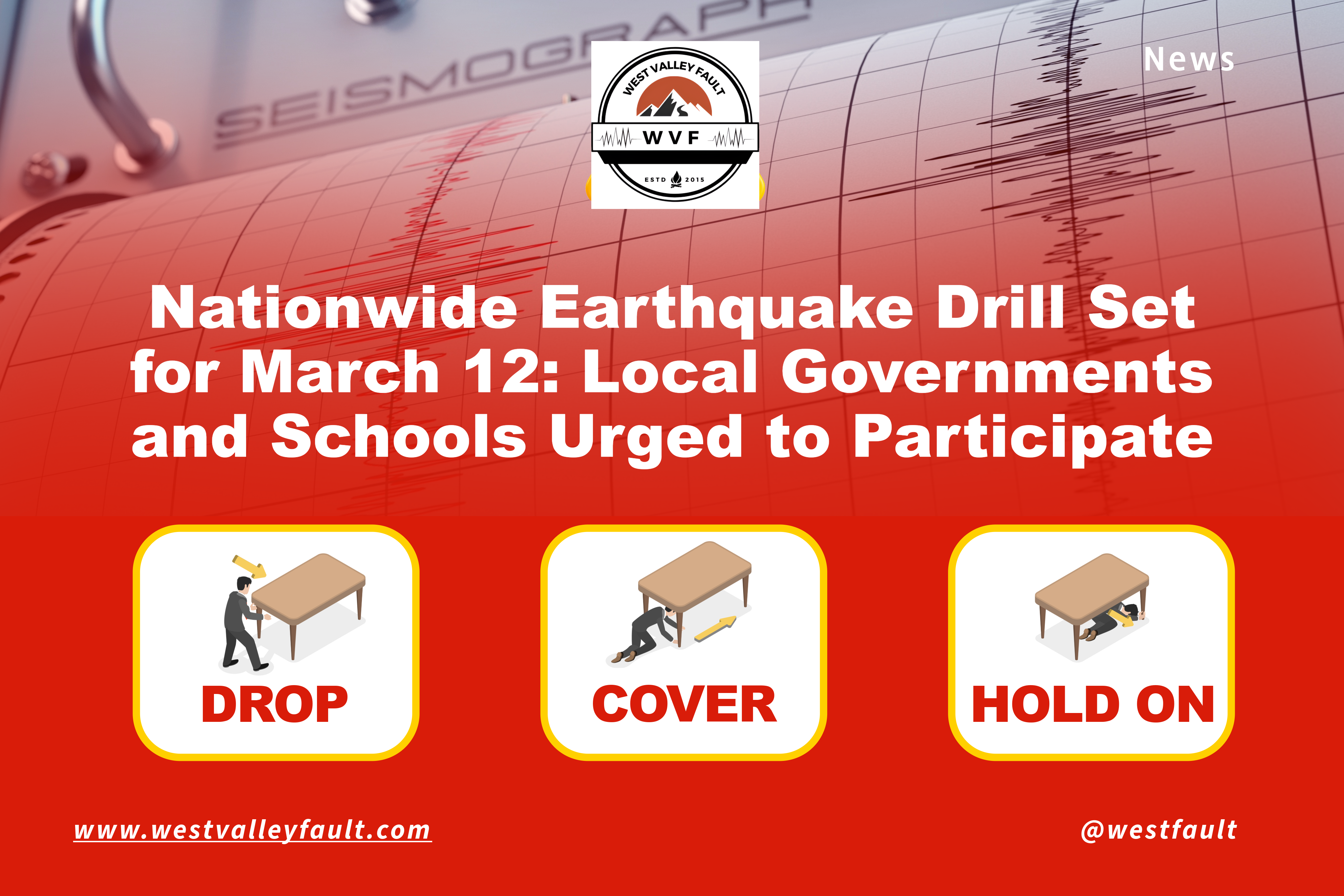
An essential part of earthquake preparedness, according to Solidum, is ensuring that buildings undergo regular inspections and meet safety standards. “Over time, buildings age and become more vulnerable,” he stated, emphasizing the need for routine evaluations to confirm structural soundness. Public awareness campaigns and community preparedness drills are also key to building resilience and minimizing loss of life.
Why the Time to Act Is Now
The call for urgent action around earthquake preparedness isn’t a new one, but the stakes have never been higher. As the possibility of a massive earthquake looms, Metro Manila and its neighboring areas must collectively bolster their resilience. Preparedness is not just about saving lives—it’s about safeguarding communities and preventing large-scale destruction.
Given the unpredictable nature of earthquakes, the best defense is to remain vigilant, prepared, and proactive. By addressing these vulnerabilities and fostering a culture of readiness, the Philippines can strengthen its defenses against one of nature’s most formidable forces.
Source: ManilaBulletin









Leave a Reply