
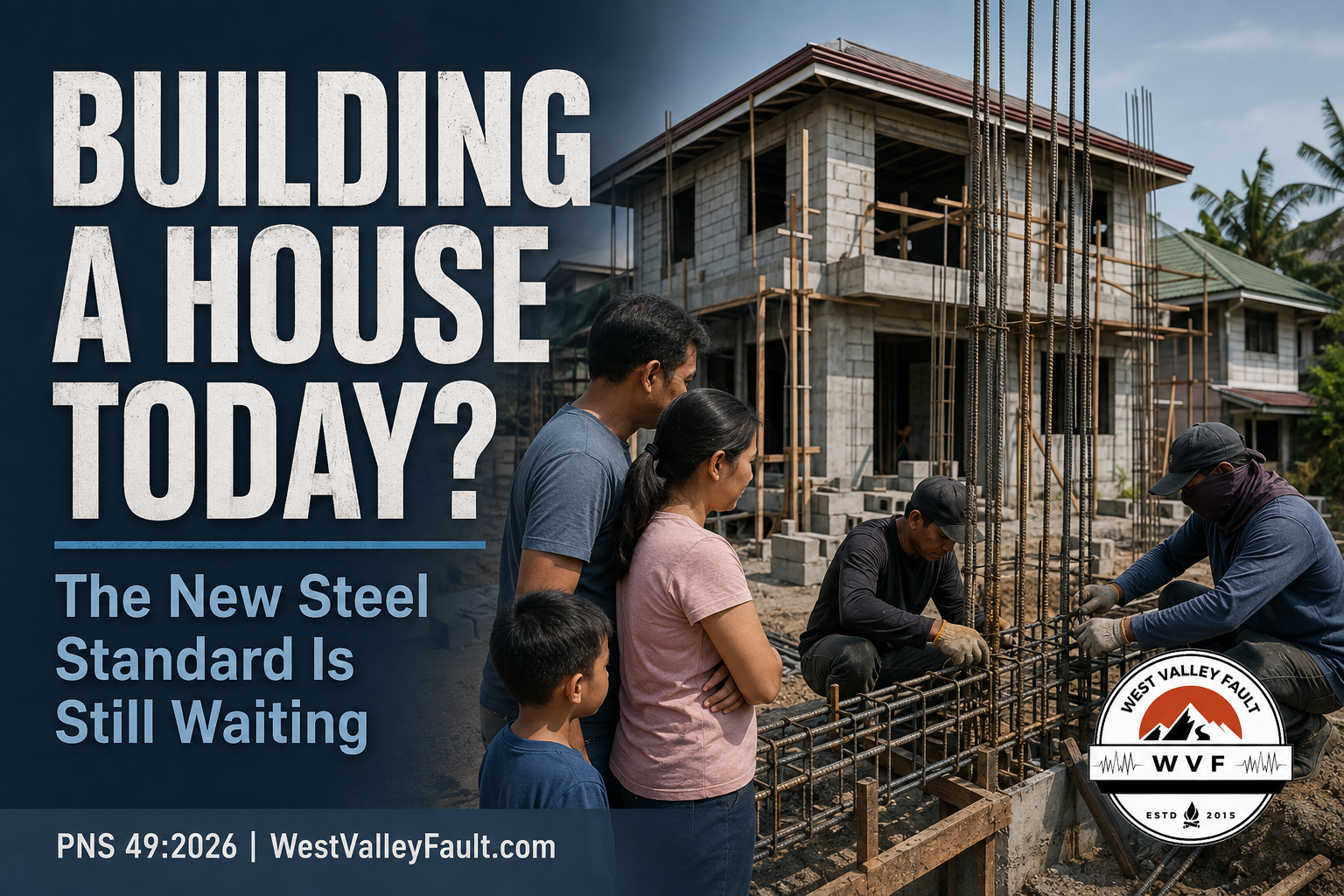
A Filipino lawmaker is urging Congress to prioritize long-overdue reforms to the country’s 48-year-old National Building Code, emphasizing the urgent need to strengthen construction standards amid intensifying earthquake activity across the archipelago.

Scan the QR code to get this post on the go.
Manila Representative Rolando C. Valeriano warned that the current code, enacted in 1977, no longer meets the safety demands of a nation frequently struck by natural disasters. “Given our country’s high risks for natural calamities and the continuing scandals on public works, enacting a new national building code is one of several strategic ways to assure public safety,” Valeriano said in a statement.
Rising Quake Activity Sparks Public Concern
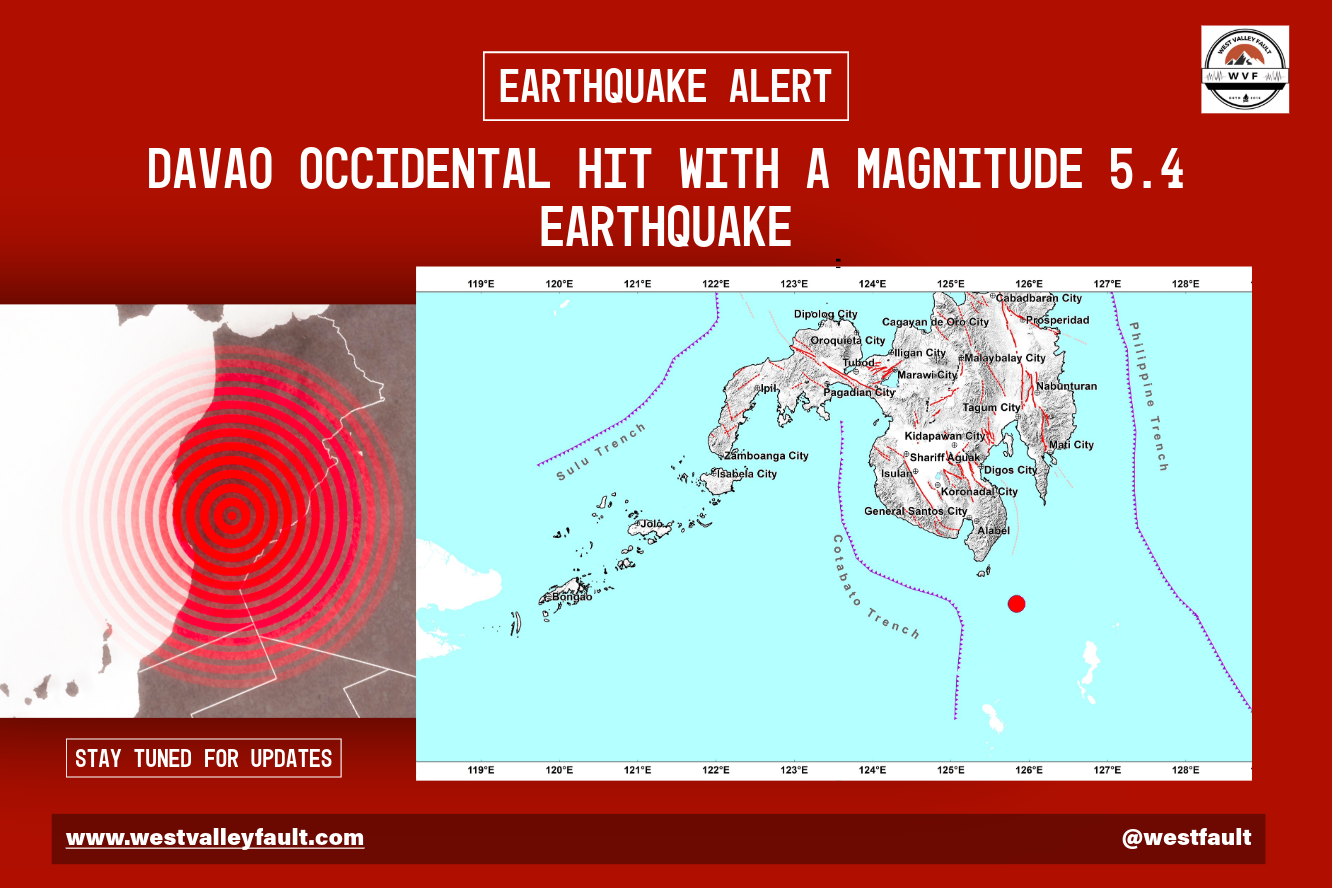
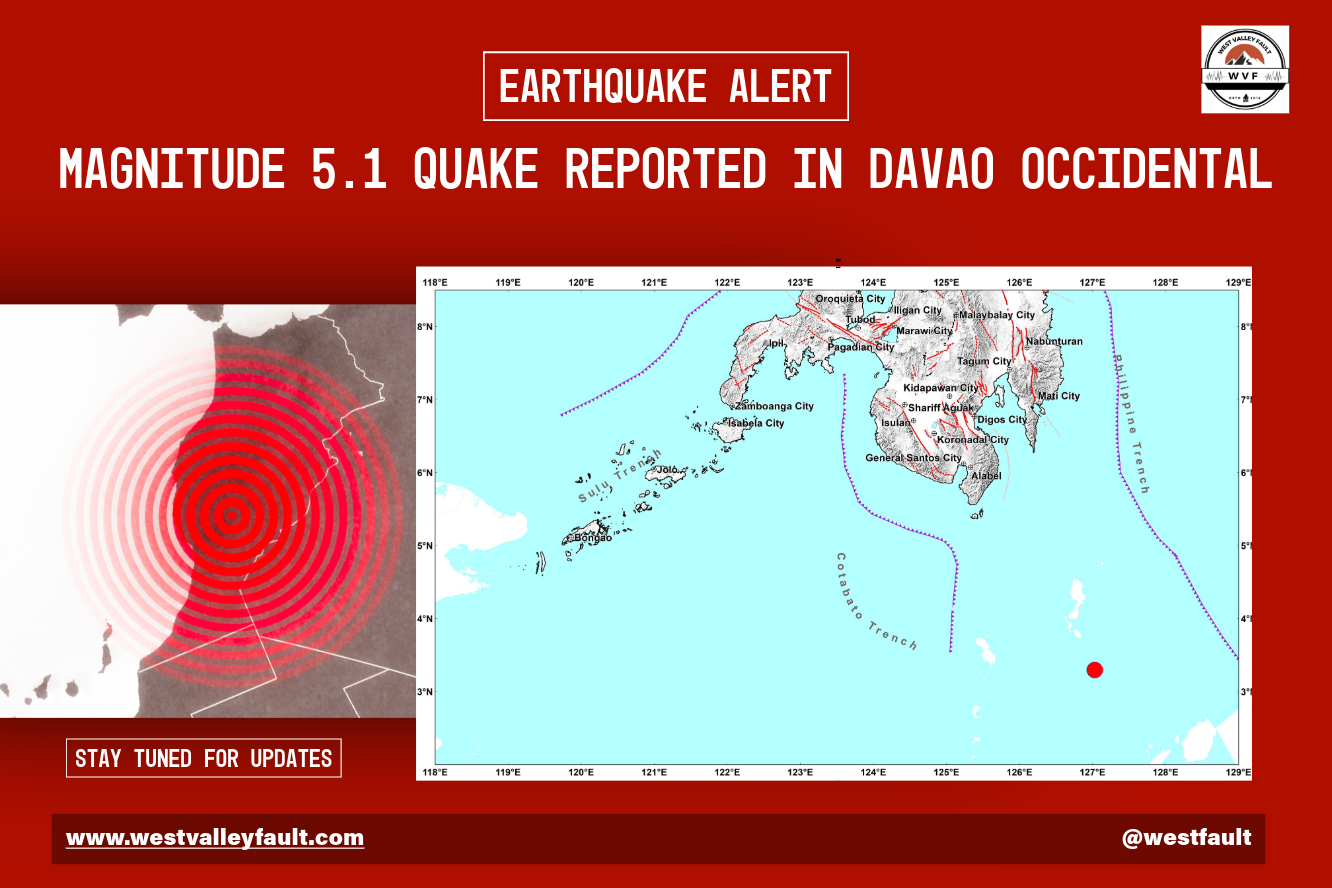
The Philippines, located along the Pacific Ring of Fire, is among the world’s most earthquake-prone regions. In recent weeks, the country has experienced multiple strong tremors — including a magnitude 6.9 earthquake in northern Cebu and twin quakes measuring 7.4 and 6.8 in eastern Mindanao — reigniting calls for stricter enforcement of building safety standards.
Seismologists have also renewed warnings about “The Big One,” a potentially devastating 7.2-magnitude earthquake that could be triggered by movement along the 100-kilometer West Valley Fault, which runs through Metro Manila and nearby provinces. The Philippine Institute of Volcanology and Seismology (Phivolcs) estimates that major movements along this fault occur every 400 to 600 years, with the last one recorded in 1658 — nearly 370 years ago.

Push for Local Ordinances and Stricter Standards
Valeriano is also calling on local governments to take proactive measures. “For cities and towns with higher levels of natural disaster risks, I am for the enactment of ordinances that set higher standards and tougher requirements,” he said.
Experts and advocacy groups have echoed similar sentiments, urging lawmakers to integrate modern engineering practices, stricter compliance checks, and updated hazard maps into the revised code to prevent catastrophic losses when a major quake strikes.
A Call for Preparedness
As seismic activity intensifies, the push for a new and resilient national building code underscores a broader need for long-term disaster preparedness. With millions of Filipinos living and working in high-risk zones, experts warn that strengthening infrastructure now could mean the difference between widespread devastation and survival when the next big earthquake hits.
Source: Bworldonline.com Kenneth Christiane L. Basilio











Leave a Reply