
As experts continue to warn about the looming threat of a powerful earthquake in Metro Manila, the Office of Civil Defense–National Capital Region (OCD-NCR) is calling on every household to take immediate and practical steps to prepare for the feared magnitude 7.2 “Big One” along the West Valley Fault.

Scan the QR code to get this post on the go.

Be Ready to Survive on Your Own for 72 Hours
OCD-NCR Regional Director George F. Keyser issued a strong reminder that in the aftermath of a major earthquake, government aid will not arrive immediately. Roads, communication lines, and utilities may be severely disrupted, leaving residents on their own for the first crucial days.
“We have to accept the truth: when a major disaster strikes, aid will not be immediate. You must be prepared to fend for yourselves for the first few days,” Keyser said.
He emphasized the importance of self-sufficiency for at least 72 hours—or longer if possible—as a key factor in surviving such a catastrophic event.

The Essential “Go Bag” Everyone Should Have
According to Keyser, every family should prepare a personalized emergency survival kit, also known as a “Go Bag.” This grab-and-go pack should be easily accessible and tailored to each family member’s needs, especially for those with medical conditions.
A well-prepared Go Bag should include:
- Ready-to-eat food and drinking water good for three days
- Flashlight and whistle for emergencies
- Basic hygiene items like tissue, soap, and sanitary products
- Extra batteries, a power bank, and a small amount of cash
- Copies of important documents and medications
Keyser advised keeping the Go Bag near the main exit of the home and ensuring every family member knows where it is stored.
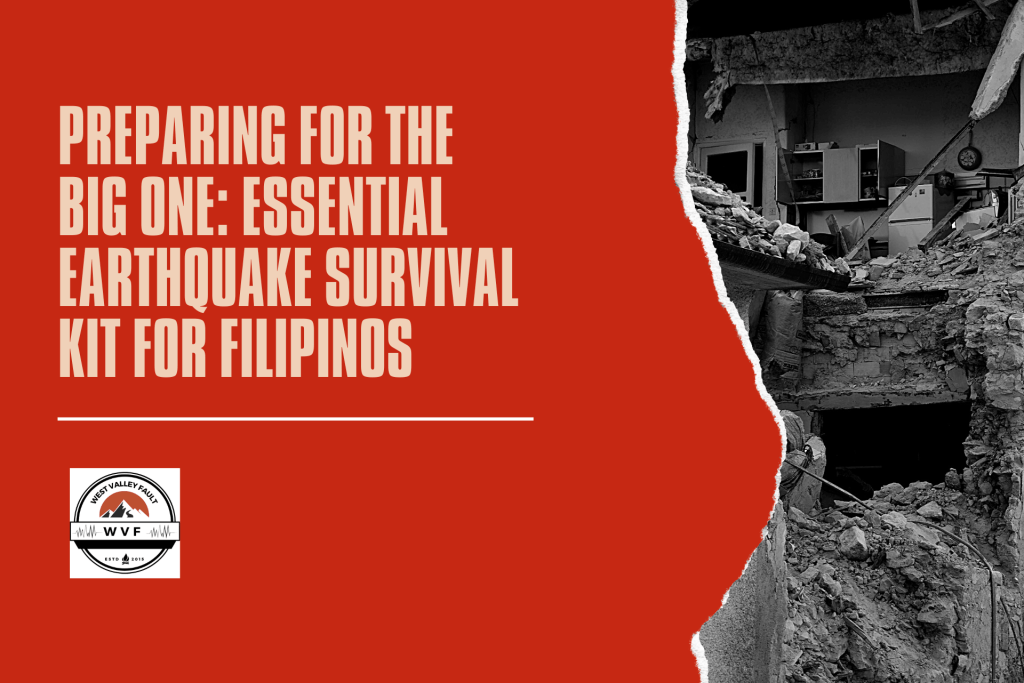
Preparing for the Big One: Essential Earthquake Survival Kit for Filipinos
Create a Family Reunification Plan
Another critical aspect of earthquake preparedness is having a Family Reunification Plan. Keyser urged families to discuss how they would find each other if separated when communication systems fail.
He suggested choosing a safe, open meeting point that is free from falling debris, along with mapping out alternative routes from common places like schools or offices. Families should also agree on a timeframe, such as 12 hours, before initiating a search for missing members.
Know What to Do When the Ground Shakes
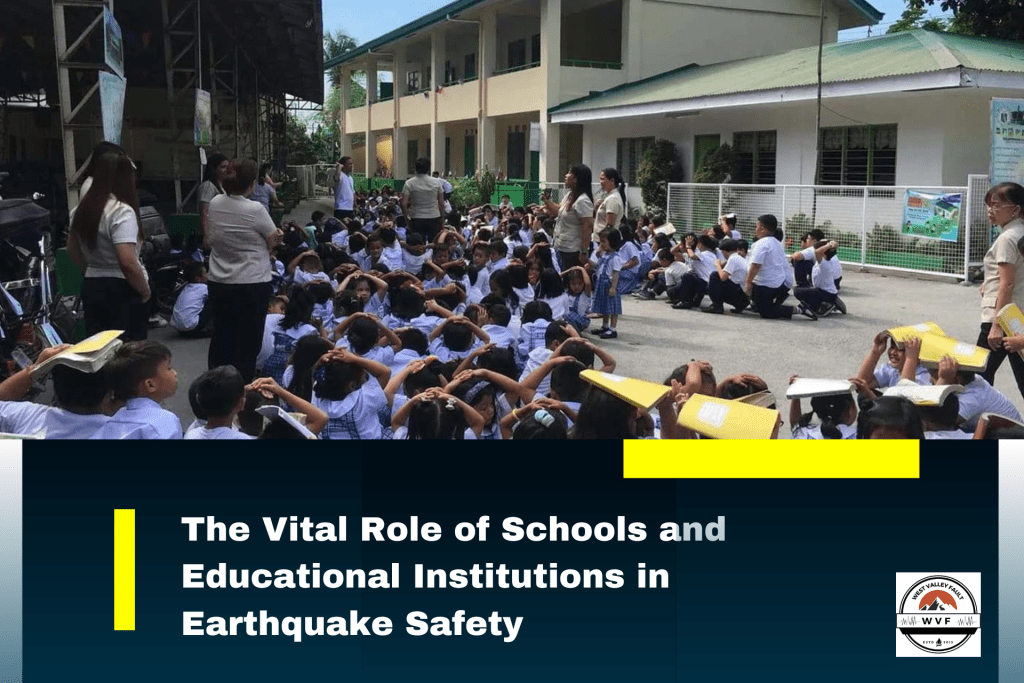
During an earthquake, Keyser reminded the public to follow the “Duck, Cover, and Hold” principle. Running or walking during strong shaking can lead to injury. Instead, people should take cover under sturdy furniture, protect their heads, and stay put until the shaking stops.
He also warned about potential secondary hazards, including:
- Liquefaction and landslides
- Collapsing structures
- Fires and explosions
- Power and water outages
“Identify potential hazards inside your home or workplace now,” he said. “Know your exits and the nearest open space where you can evacuate safely.”
Disaster Preparedness Is a Community Effort
Beyond individual and family preparedness, Keyser underscored that disaster resilience starts with community cooperation. Residents are encouraged to:
- Familiarize themselves with their barangay’s evacuation areas and assembly procedures
- Check if their workplace has a Disaster Control Group and evacuation plan
- Ensure that PWDs and senior citizens are included in these plans
Earthquake Drills Save Lives
Keyser concluded with a powerful message: preparedness can spell the difference between survival and tragedy.
“Disasters can be minimized and avoided if we are prepared,” he said. “Do not wait for the next tragedy to learn our lessons.”
As the West Valley Fault continues to pose a real and imminent threat, authorities urge everyone in Metro Manila and nearby provinces to take these warnings seriously. Preparedness today could save countless lives tomorrow.
Source: pia.gov.ph










 West Valley Fault
Leave a comment