
Metro Cebu’s leading business organizations are taking steps to build a stronger, more unified private-sector alliance aimed at protecting the province’s most vital industries amid growing competition and increasing risks from natural disasters.

Scan the QR code to get this post on the go.
This week, the Cebu Chamber of Commerce and Industry (CCCI) joined forces with the chambers of Mandaue, Talisay, and Lapu-Lapu to lay the groundwork for a coordinated strategy focused on long-term economic stability. The initiative underscores a shared goal: safeguarding Cebu’s economic momentum by reinforcing its core industry ecosystems.
Business leaders emphasized that closer collaboration is no longer optional. With global competition intensifying and climate-related disruptions becoming more frequent, a united private sector is seen as essential to ensuring Cebu remains resilient and competitive.

Source: TheFreeman
Building Stronger Industry Ecosystems
At the heart of the initiative is an ecosystem-based development approach—an economic model successfully adopted in countries like Thailand and Malaysia. These models bring together government, industry, suppliers, training institutions, and support services to strengthen entire value chains rather than isolated businesses.

Cebu’s chambers are exploring how similar frameworks can be applied locally, particularly to help small and medium enterprises (SMEs) integrate into larger supplier networks. Priority sectors identified for ecosystem development include shipbuilding, manufacturing, tourism, agri-food, and the creative industries—industries considered critical to Cebu’s position in regional and global markets.
Shipbuilding, in particular, is viewed as a strong candidate due to its existing base of skilled labor and training institutions. Manufacturing hubs in areas such as the Mactan Economic Zone and West Cebu Industrial Park are also seen as ripe for expansion through deeper supplier development. Tourism, including the growing meetings, incentives, conferences, and exhibitions (MICE) segment, could gain an edge through higher standards in safety, food handling, and local sourcing.
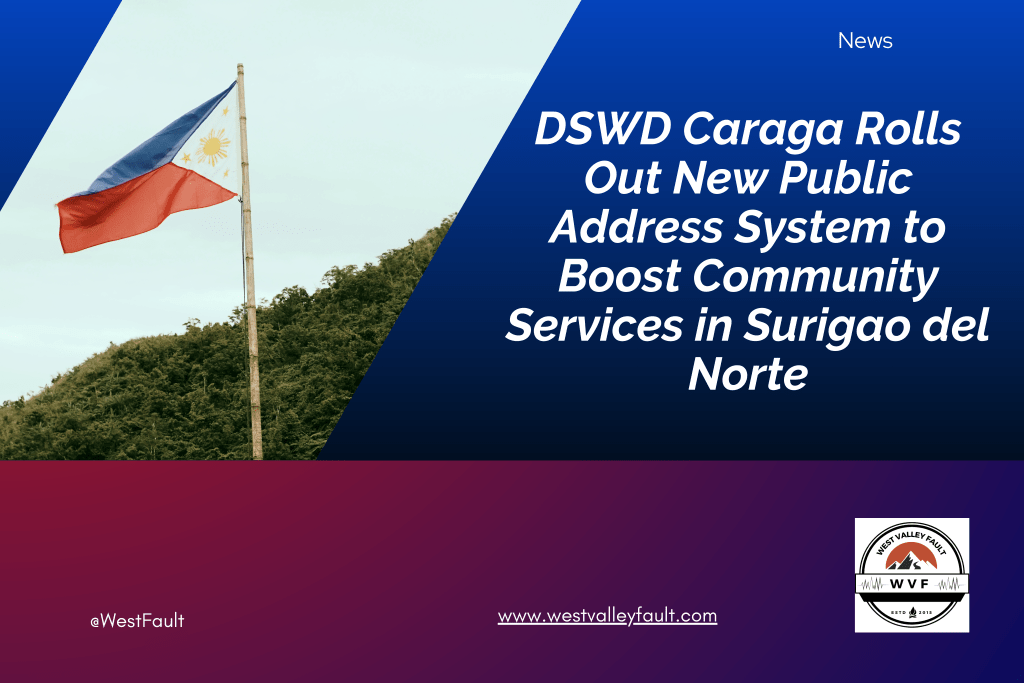
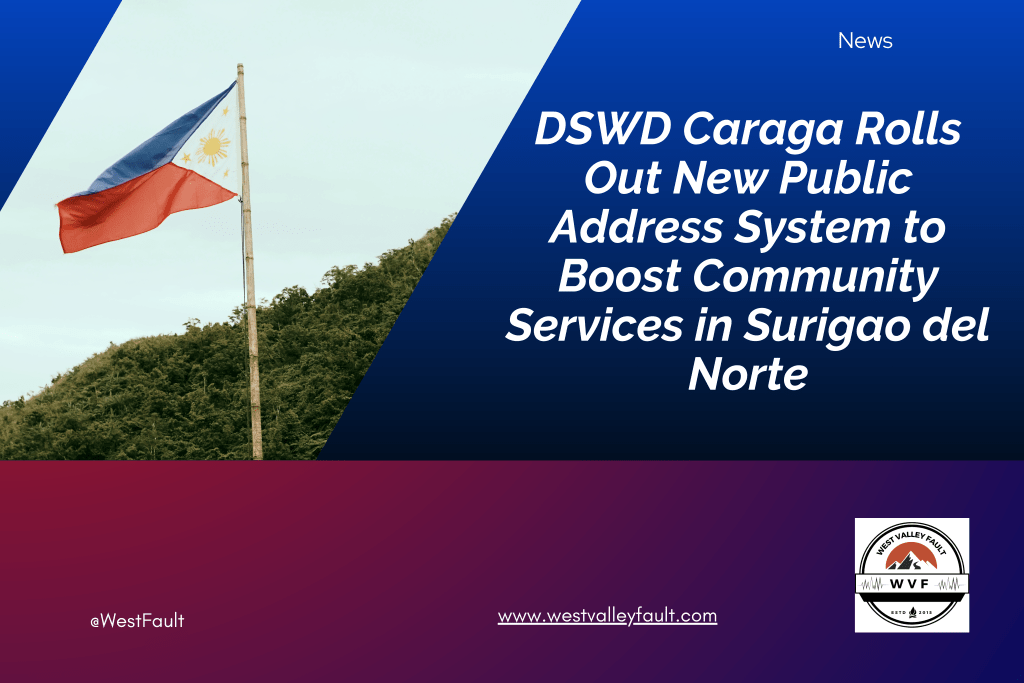
DSWD Caraga rolls out a new public address system for a more reliable and faster dissemination of community information especially during calamities.
Private Sector Steps Up Disaster Preparedness
Beyond economic competitiveness, the coalition is also strengthening disaster readiness through Task Force Padayon Cebu, a private-sector-led platform designed to improve coordination during typhoons and earthquakes. Business leaders stressed that disaster response is not only about immediate relief, but also about helping enterprises—especially SMEs—resume operations quickly after disruptions.
By aligning disaster preparedness with economic planning, the chambers aim to minimize supply-chain interruptions and protect livelihoods when crises strike.

Investing in the Workforce of the Future
Workforce development is another key pillar of the emerging alliance. The chambers are pushing for closer collaboration between schools and industries, building on pilot programs that expand on-the-job training opportunities for senior high school students.
Business leaders believe that involving industry directly in shaping skills development is essential to sustaining a competitive workforce—one that can support Cebu’s industries well into the future.
As discussions continue, the message from Cebu’s business community is clear: unity, preparedness, and deliberate ecosystem-building are critical to protecting the province’s growth engines in an increasingly uncertain global environment.
Source: TheFreeman








 West Valley Fault
Leave a comment