

Scan the QR code to get this blog on the go.
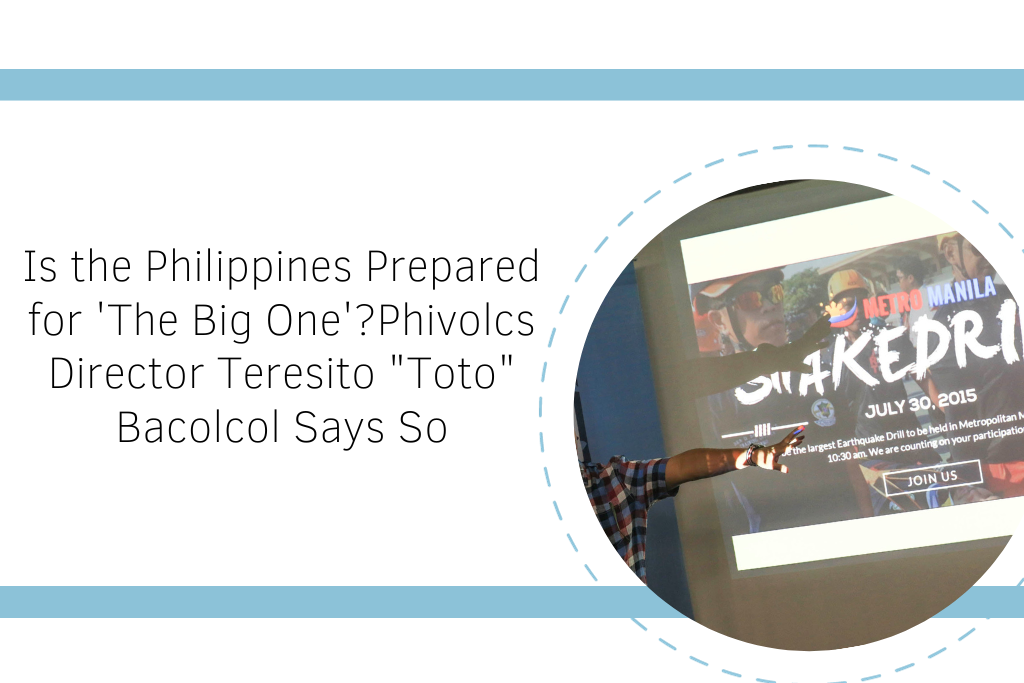
In an article published by The Manila Times on September 12, Phivolcs Director Teresito “Toto” Bacolcol emphasized that the Philippines is now better prepared for the ‘big one’. He attributed this preparedness to various factors, including:
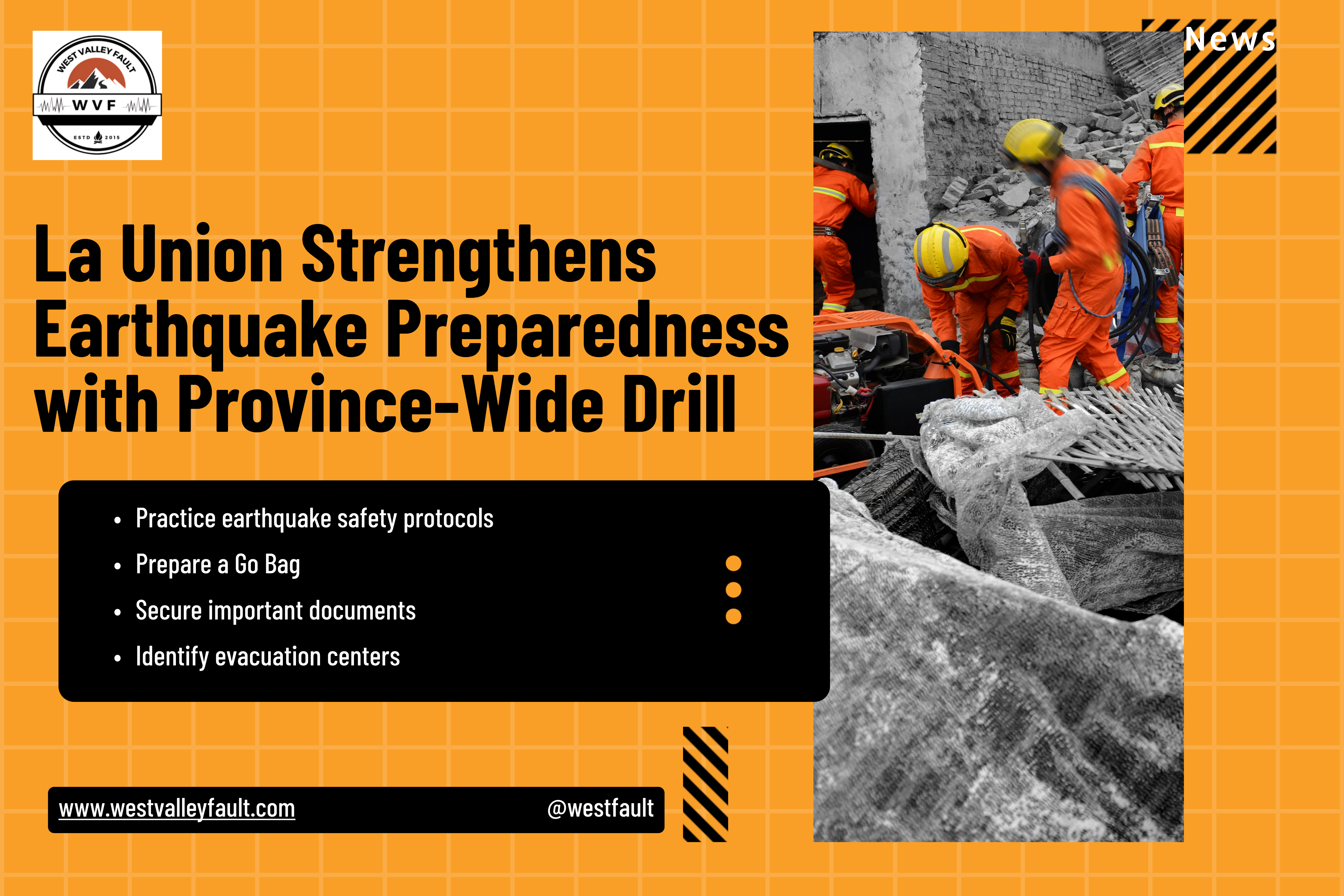
Regular Earthquake Drills: Bacolcol highlighted the government’s consistent efforts in conducting earthquake drills at both the national and local levels. These drills have significantly increased public awareness regarding earthquake preparedness.

Earthquake drills in the Philippines have a rich history dating back to 20021 when the Department of Science and Technology – Philippine Institute of Volcanology and Seismology (DOST-PHIVOLCS) initiated them in collaboration with the National Disaster Risk Reduction and Management Council (NDRRMC).

These drills, held quarterly throughout the year, represent a crucial government effort to enhance disaster preparedness and resilience among Filipinos.
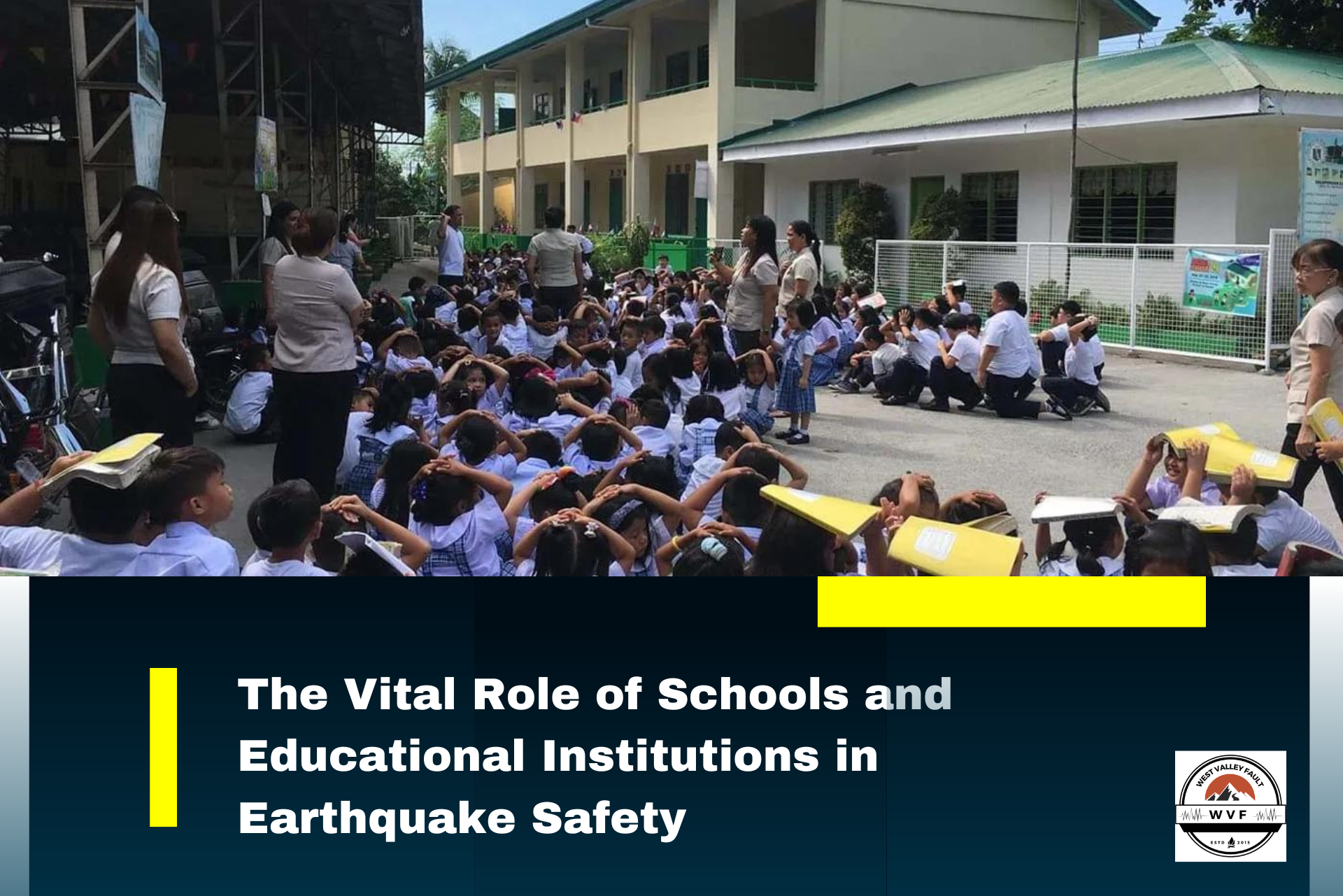
Over the years, earthquake drills have become a mandatory practice within various sectors of the government, particularly in the education system. By law, educational institutions are required to conduct these drills monthly throughout the school year.2

Additionally, tall buildings are obligated to perform fire-exit drills biannually.3 These drills are essential to ensure occupants are familiar with the evacuation procedures in case of a fire emergency.
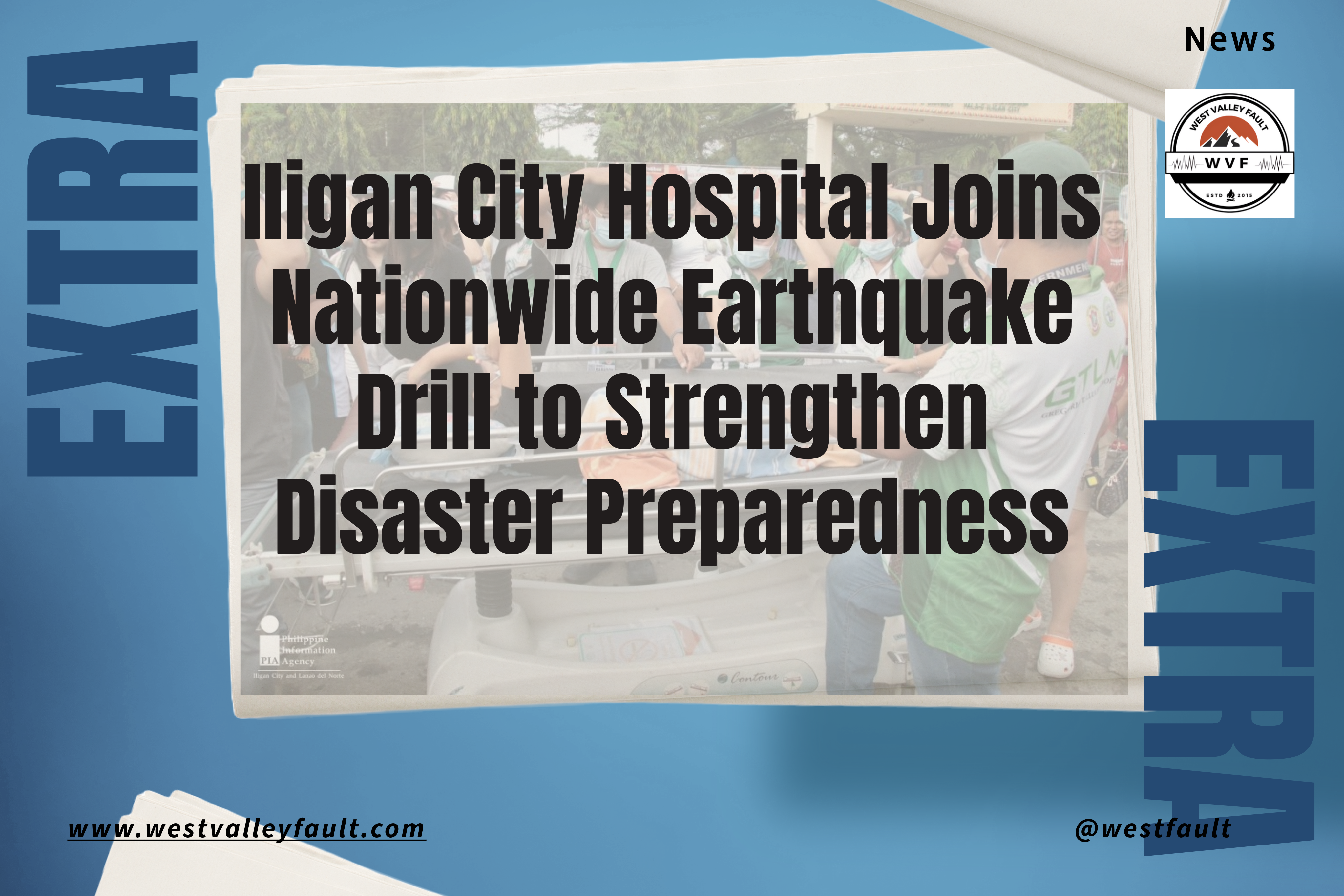
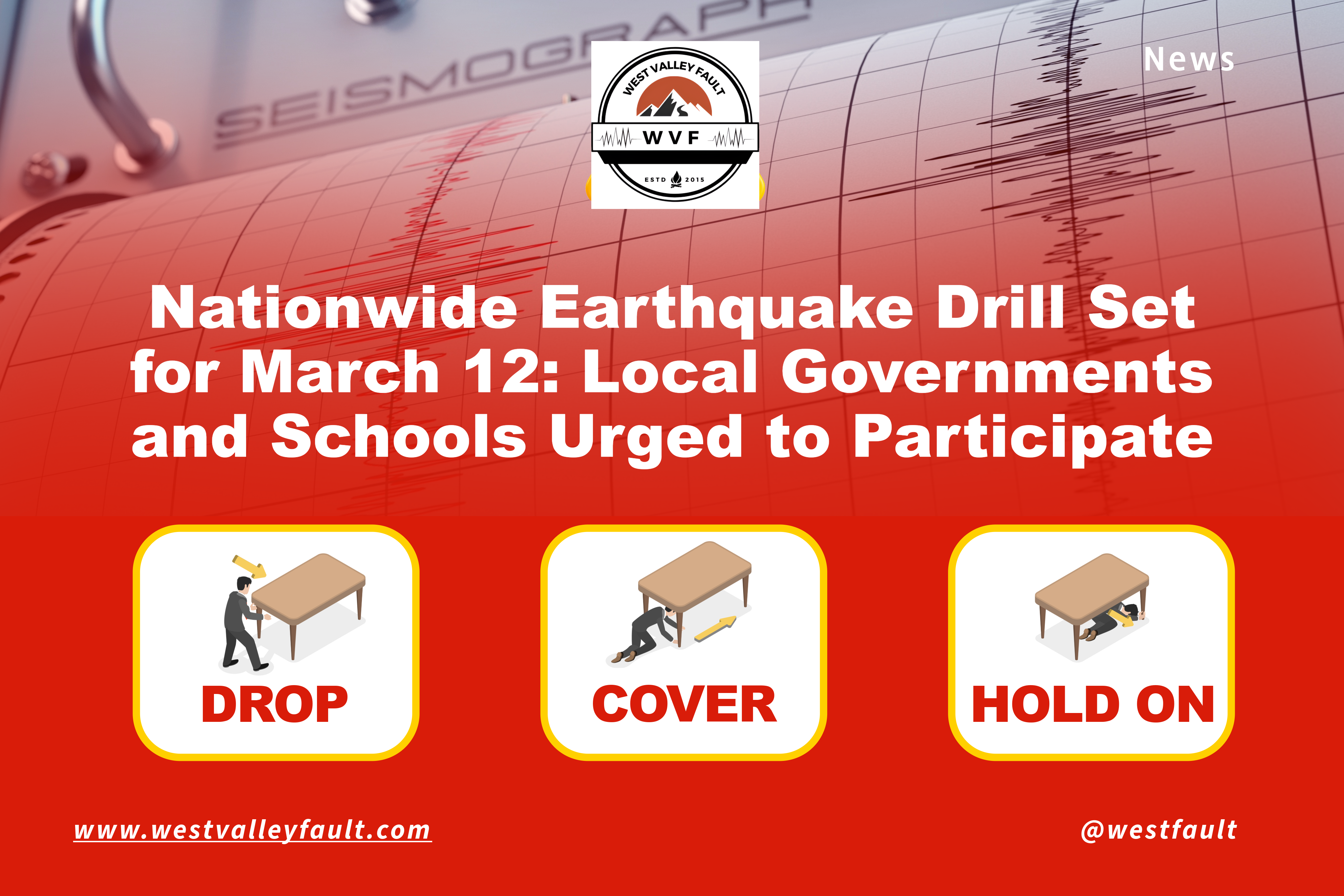
Just this March, a Nationwide Simultaneous Earthquake Drill (NSED) for the first quarter of 2023 was held across the country.

In summary, earthquake and fire-exit drills have become an integral part of disaster preparedness efforts in the Philippines, thanks to the collaborative initiatives of DOST-PHIVOLCS, NDRRMC, and the legal mandates imposed on educational institutions and tall buildings.

Building Code Compliance: He mentioned the rigorous monitoring of new building construction to ensure strict adherence to the Building Code. This proactive measure aims to enhance structural safety and resilience4.
The building code of the Philippines plays a crucial role by establishing essential standards for designing, constructing, and maintaining buildings in the country.

These standards ensure the safety, accessibility, and suitability of buildings for their intended purposes.
In addition to safeguarding the safety of occupants, the primary objective of this code is to mitigate damage to buildings during natural disasters like earthquakes, typhoons, and floods.

Resettlement Measures: Bacolcol cited examples from LGUs like Quezon City, Makati City, Pasig City, and Muntinlupa City, which have taken steps to encourage residents living near the West Valley Fault (WVF) to relocate away from the fault line. These initiatives prioritize the safety of vulnerable communities.

CLICK HERE to see the list of Barangays located along the West Valley Fault
The Risk Analysis Project Report (RAP) estimated that the highest number of casualties in the event of a magnitude 7.2 earthquake would occur in Quezon City and Manila.
RAP validates and updates the findings of the 2004 Metro Manila Earthquake Impact Reduction Study (MMEIRS), conducted by the Japan International Cooperation Agency (JICA), Metropolitan Manila Development Authority (MMDA), and Phivolcs.5

According to the report, Quezon City alone could see 5,524 fatalities and approximately 23,103 people seriously injured.
In Manila, this could result in 5,449 fatalities and approximately 21,620 serious injuries. The most severe projection anticipates 37,000 fatalities across Metro Manila and Rizal. In contrast, this would be nearly six times higher than the official death toll from Super Typhoon Yolanda.

The Quezon City local government has successfully relocated numerous illegal settlers to designated resettlement sites known as ‘Bistekville.’ While this marks a positive step, according to Disaster Risk Reduction Management Officer Elmo San Diego, persuading affluent residents residing in close proximity to the West Valley Fault, including areas like Green Meadows, Blue Ridge, and White Plains, presents a formidable challenge and a matter that may be beyond their control.
Addressing this issue requires a strategic approach to both ensure safety and foster cooperation among these financially secure inhabitants.

In this article, we outlined several ideas, and broken down some easy-to-follow steps to protect your home and loved ones. Click here
Director Bacolcol raised several critical points, which are all necessary and important. However, we opted to conduct extensive research on the necessary measures a third-world country like ours must take in order to be fully prepared for a magnitude 7 earthquake.
Our research yielded far more than a simple awareness campaign and building code adherence monitoring. Encouraging residents near fault lines may or may not be effective; thus, we must consider other contingency measures.

In our upcoming blog article, we will outline the results of our research and delve into the essential aspects of earthquake preparedness. This comprehensive approach necessitates not only private and public partnerships but also international support.
1PRESS RELEASE: “Join the earthquake drill” urges DOST-PHIVOLCS
2Senate S.B. No. 2992
3Fire-Code-of-the-Philippines-2008-IRR.pdf
4National Building Code of the Philippines
5GMMA-RAP Risk Analysis Project SUMMARY REPORT








Leave a Reply to The Big One: Why the Philippines Must Urgently Prepare for a Massive Earthquake – West Valley FaultCancel reply