

Scan the QR code to get this blog on the go.
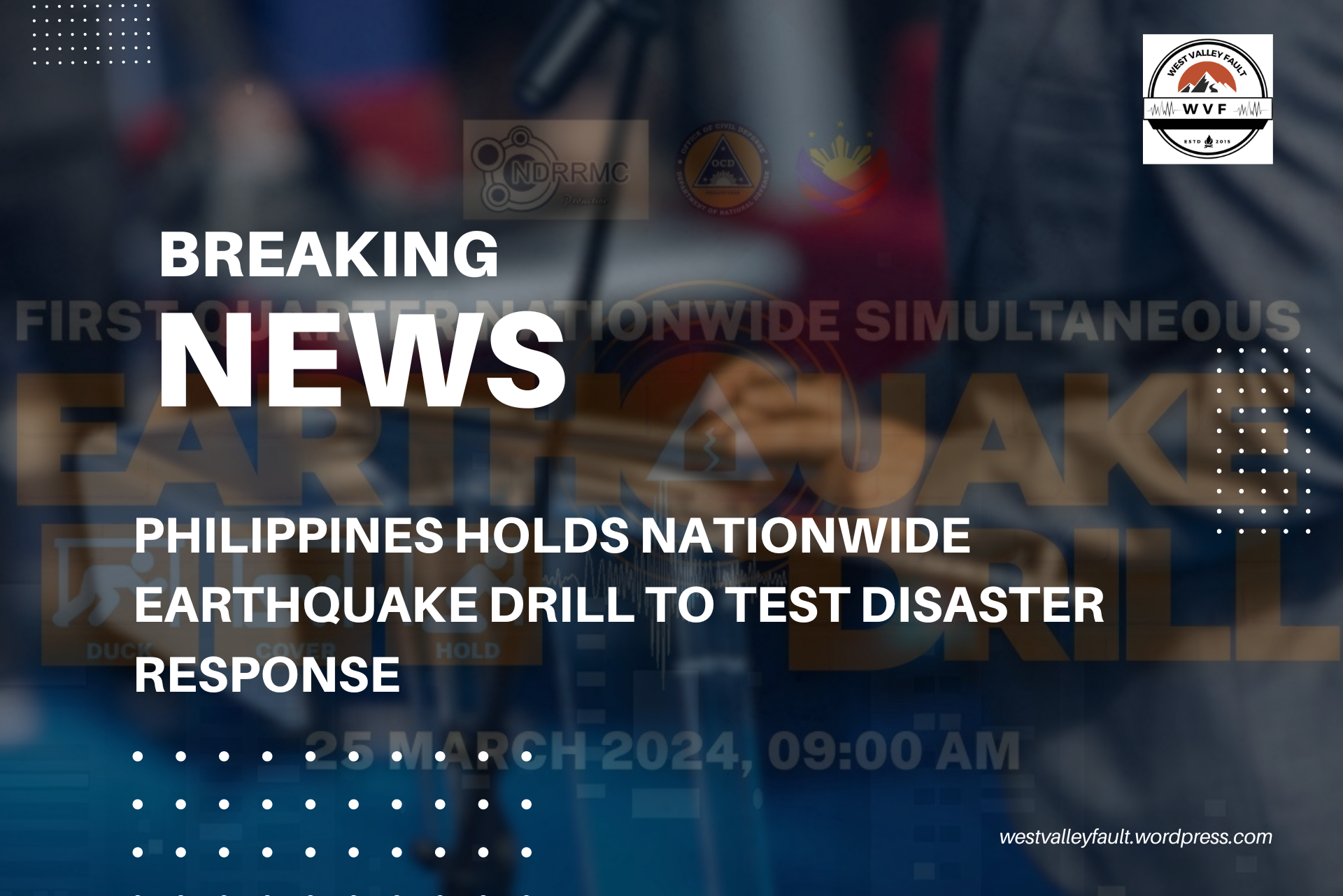
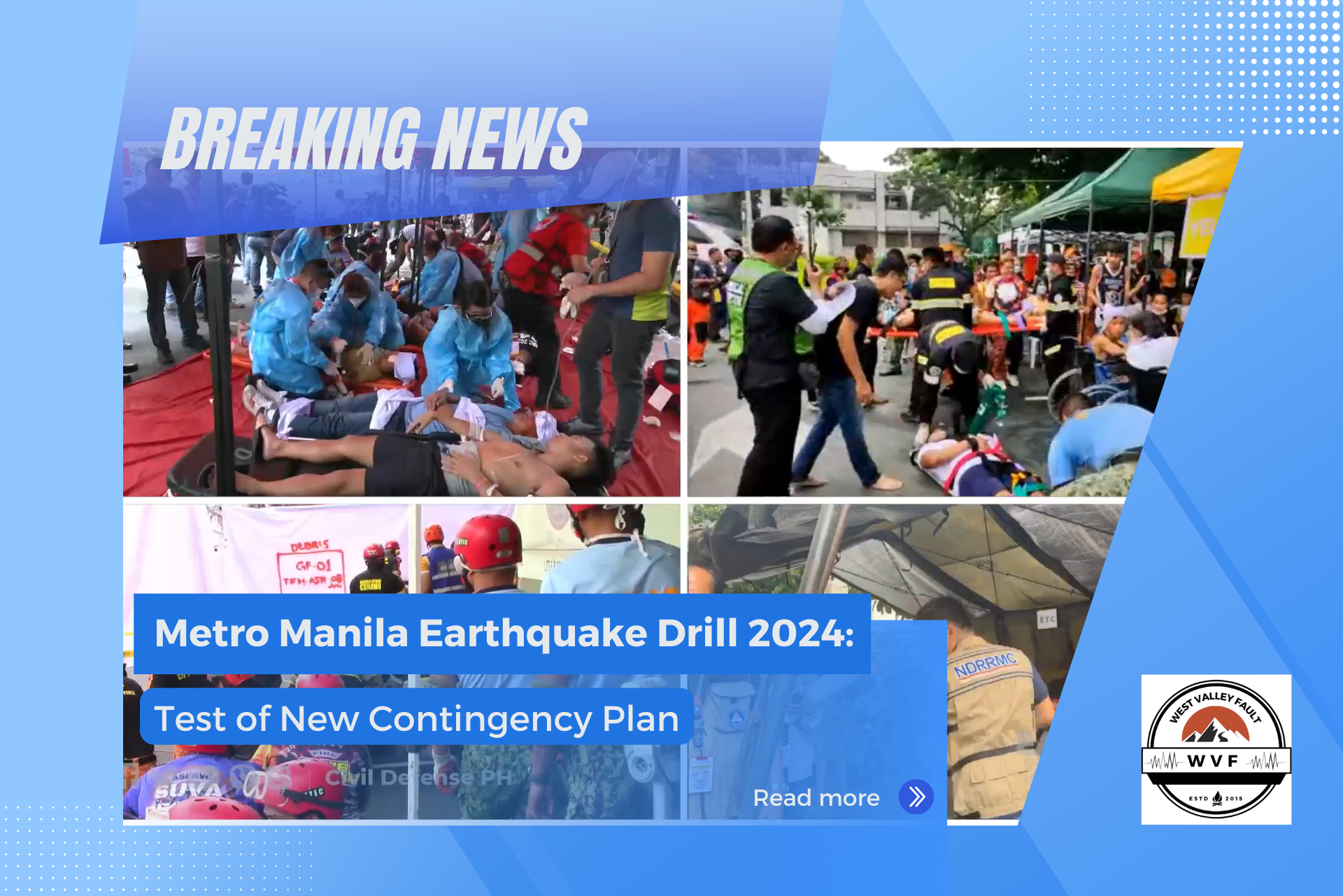
The Philippines recently conducted a nationwide simultaneous earthquake drill (NSED) to assess the preparedness of various government agencies and local communities. The drill, spearheaded by the Office of Civil Defense (OCD) in partnership with other agencies, simulated a powerful earthquake striking Metro Manila and nearby provinces.

Drill Objectives:
Evaluate the effectiveness of the National Disaster Risk Reduction and Management Council (NDRRMC) and its members in responding to a large-scale earthquake.
Test communication protocols, coordination mechanisms, and resource mobilization plans.
Strengthen coordination between national and regional entities.
Increase local communities’ earthquake preparedness and encourage commitment from local governments to build resilient communities.
Widespread Participation:
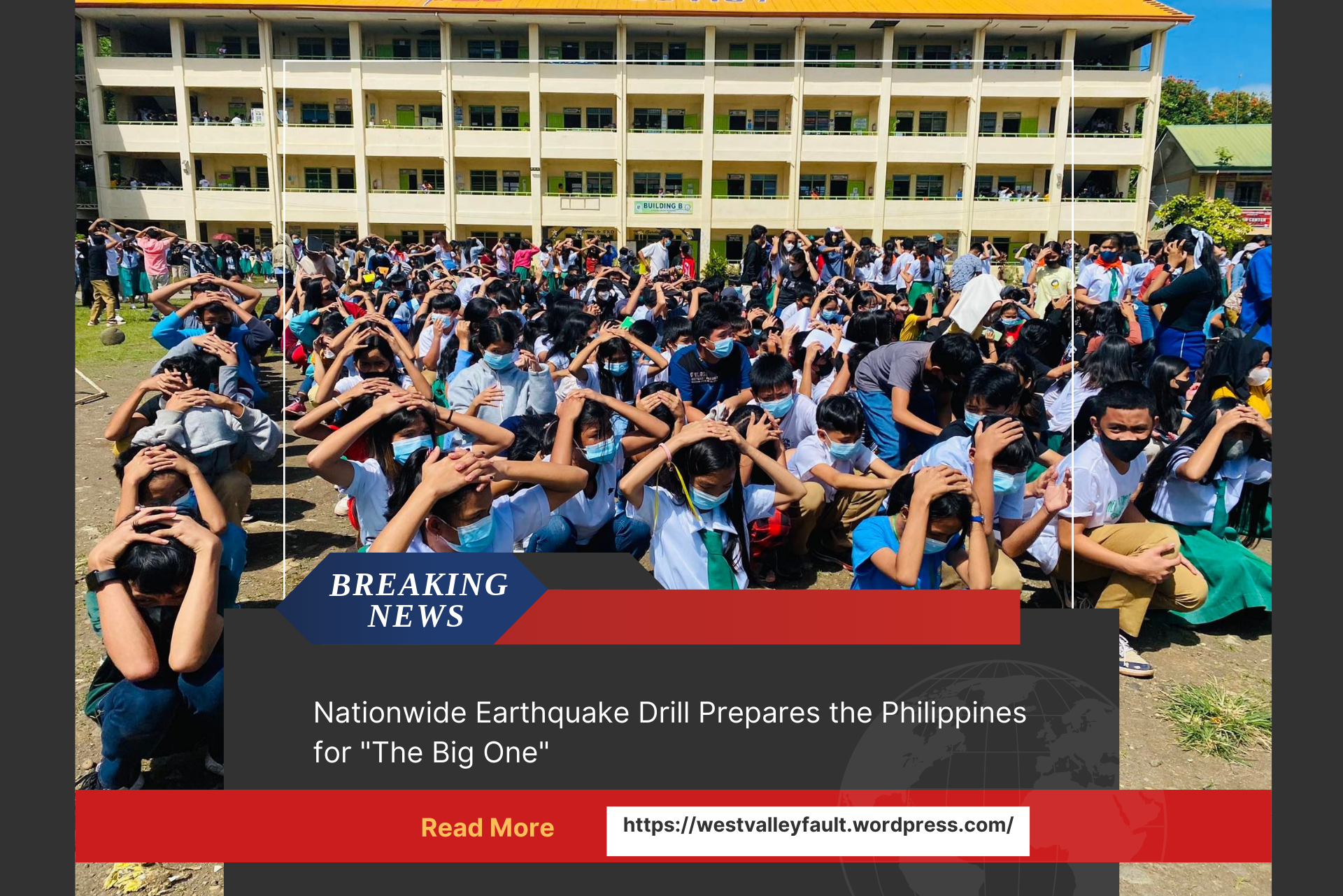
Over 22,000 individuals from 18 regions across the Philippines participated in the drill. Local governments, schools, and government offices actively conducted exercises, including practicing the “duck, cover, and hold” maneuver.
Key Takeaways:
The drill highlighted the importance of earthquake preparedness for both government agencies and the general public.
Collaboration between science and government plays a crucial role in building earthquake-resilient communities.
Regular drills are essential for assessing response plans and ensuring efficient disaster response.
Moving Forward:
The NSED serves as a valuable learning experience for the Philippines. By identifying areas for improvement and fostering continuous preparedness efforts, the country can be better equipped to handle future earthquakes.
Citizen Preparedness:
While the drill focused on government response, it’s vital for everyone to be prepared for earthquakes. Remember these key tips:

Develop a family emergency plan: Discuss evacuation routes, meeting locations, and communication strategies.
Assemble an emergency kit: Include essential supplies like water, food, first-aid items, and a battery-powered radio.
Learn earthquake safety measures: Know how to “duck, cover, and hold” and identify safe areas in your home or workplace.
By working together, communities can significantly improve their earthquake preparedness and ensure the safety of all residents.
Sources: ocd.gov.ph, GMANewsOnline, MBNews









Leave a Reply