

Scan the QR code to get this post on the go.
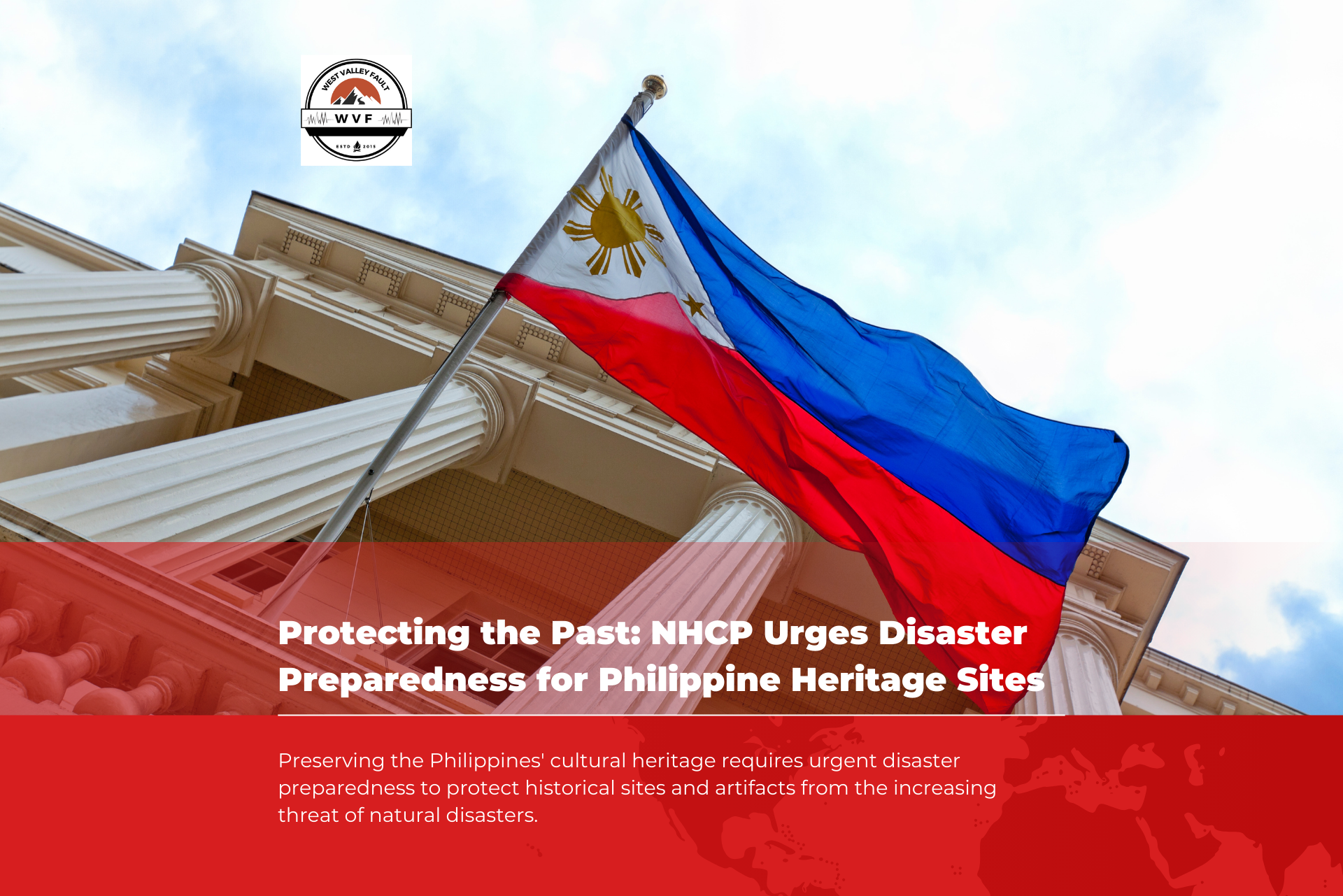
In a world increasingly threatened by natural disasters, the need to safeguard our cultural and historical heritage has never been more critical. Richard Baula, a conservator from the National Historical Commission of the Philippines (NHCP), is ringing the alarm for government agencies, local governments, and various institutions to prioritize disaster risk management plans for the country’s invaluable heritage sites and assets.

Baula, from the NHCP’s Materials Research Conservation Division, stresses that disaster risk reduction is not just about protecting buildings. It also extends to preserving historical documents, photographs, and objects that embody the traditions and history of the Philippines. These cultural treasures are at constant risk of being lost forever in the wake of disasters.
“The concept of disaster management within the cultural sector is still relatively new, even in countries that have begun to recognize its importance,” Baula shared in a recent interview. He highlighted the growing awareness of integrating cultural heritage protection into broader disaster preparedness plans, noting that the cultural and tourism sectors are significant economic drivers deserving of such attention.
Baula advocates for a comprehensive disaster management strategy that includes three key phases: preparation before a disaster, response during the event, and recovery afterward. He underscores that identifying risks before disaster strikes is crucial. “Prevention and mitigation are far less costly than restoration,” he noted, pointing out the devastating impact that earthquakes, floods, and other disasters can have on heritage sites.

For example, Baula emphasized the need for structural reinforcement of vulnerable heritage buildings and the protection of artifacts from damaging elements like rain, chemicals, and pests. He also stressed that during disasters, the safety of people must always take precedence over attempts to save heritage objects. However, when possible, proper handling of these items is essential to prevent additional damage during their relocation.
“More damage often occurs due to improper handling or a lack of training,” Baula warned, highlighting the NHCP’s focus on preventive conservation. “Mitigation, or reducing the damage to a structure or object, is more cost-effective than restoration, which requires significant funding, specialized skills, and expertise.”
Further Reads

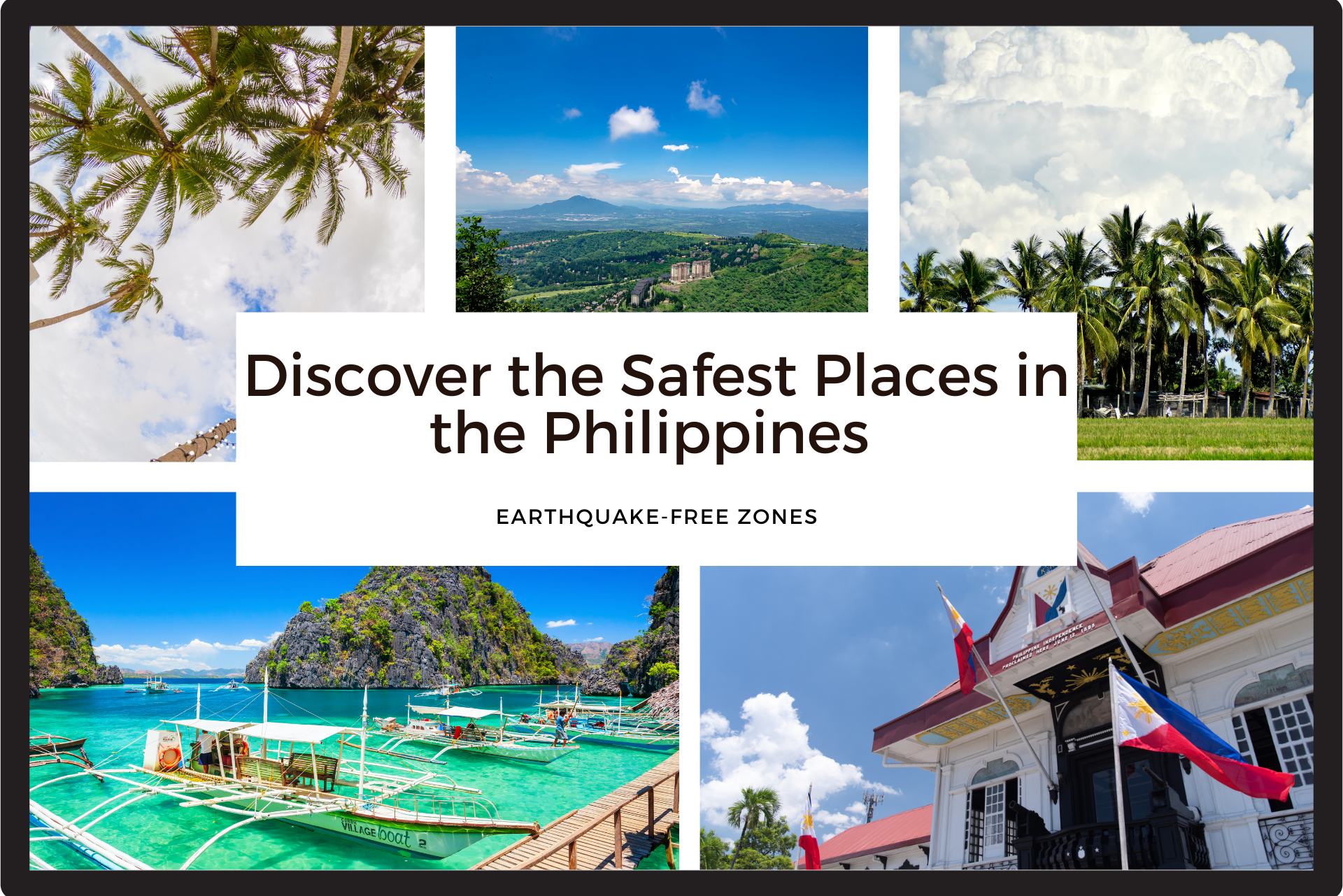
Discover the Safest Places in the Philippines: Earthquake-Free Zones
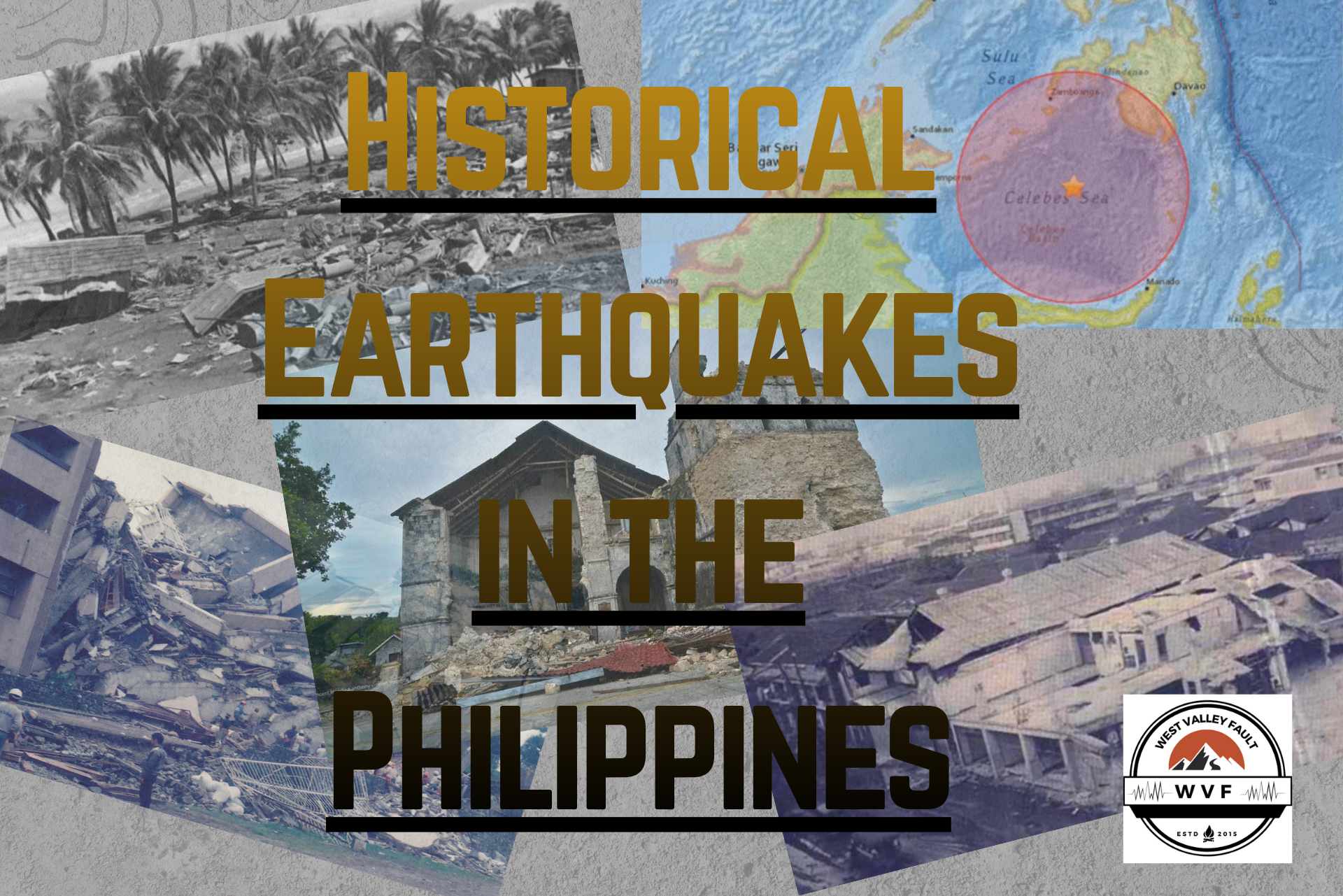
Baula’s call to action is underscored by the painful lessons from past events, such as the magnitude 7.2 earthquake that struck Bohol in October 2013. The quake caused extensive damage to several centuries-old churches, leading to costly and complex restoration efforts. These efforts required collaboration between the government and the private sector, showcasing the challenges of restoring heritage sites after a disaster.
To better prepare for such eventualities, Baula recommends creating detailed floor plans or layouts of heritage sites and objects to facilitate quick and efficient evacuation during emergencies. Post-disaster actions should include thorough damage assessments, restoration recommendations, securing funding, and enlisting the help of highly skilled conservation experts.
Restoration, Baula pointed out, is the most challenging aspect of conservation work. It involves strict adherence to protocols and guidelines to prevent further damage to the site or object.
As part of its ongoing mission, the NHCP regularly conducts “Conservation Goes to the Province” seminar workshops across the Philippines, particularly during History Month in August. These workshops are vital in spreading knowledge on the identification, management, protection, and conservation of heritage assets.
Recently, the NHCP held sessions on museum curatorship in Siquijor, providing crucial support to those running the convent museum in Lazi and assisting the provincial government in converting the old Capitol building into a cultural heritage repository.
The call to safeguard the Philippines’ rich cultural heritage is clear: proactive disaster preparedness is essential to ensure that the country’s history and traditions are preserved for future generations.
Source: PNA








Leave a Reply to Guadalupe Bridge Set for Major Repairs as Metro Manila Prepares for ‘The Big One’ – West Valley FaultCancel reply