
Week of Sept 5 – 11, 2026
Focus: Earthquake Activity & Public Preparedness
Issue #012
Executive Summary
This week’s preparedness developments point toward a broader shift from reacting to disasters toward reducing risk earlier—through better coordination, stronger land-use enforcement, practiced response, and household financial resilience.
The Private Sector Advisory Council Infrastructure Sector renewed its call for the creation of a Department of Water Resources, arguing that the Philippines needs a more unified approach to flooding, drought, water supply, and related resilience challenges. The proposal was presented alongside recommendations for system-wide flood management, earlier drought warnings, faster permitting for critical water projects, and other measures intended to improve the country’s ability to prepare before water-related crises escalate. (Philippine News Agency)
The Department of the Interior and Local Government separately directed LGUs to strictly enforce existing no-build zones and land-use restrictions in hazard-prone areas. The directive reinforces the role of local zoning, permitting, and development controls in keeping new settlements and structures away from locations where flooding and other hazards could place lives and property at greater risk. (Philippine Information Agency)
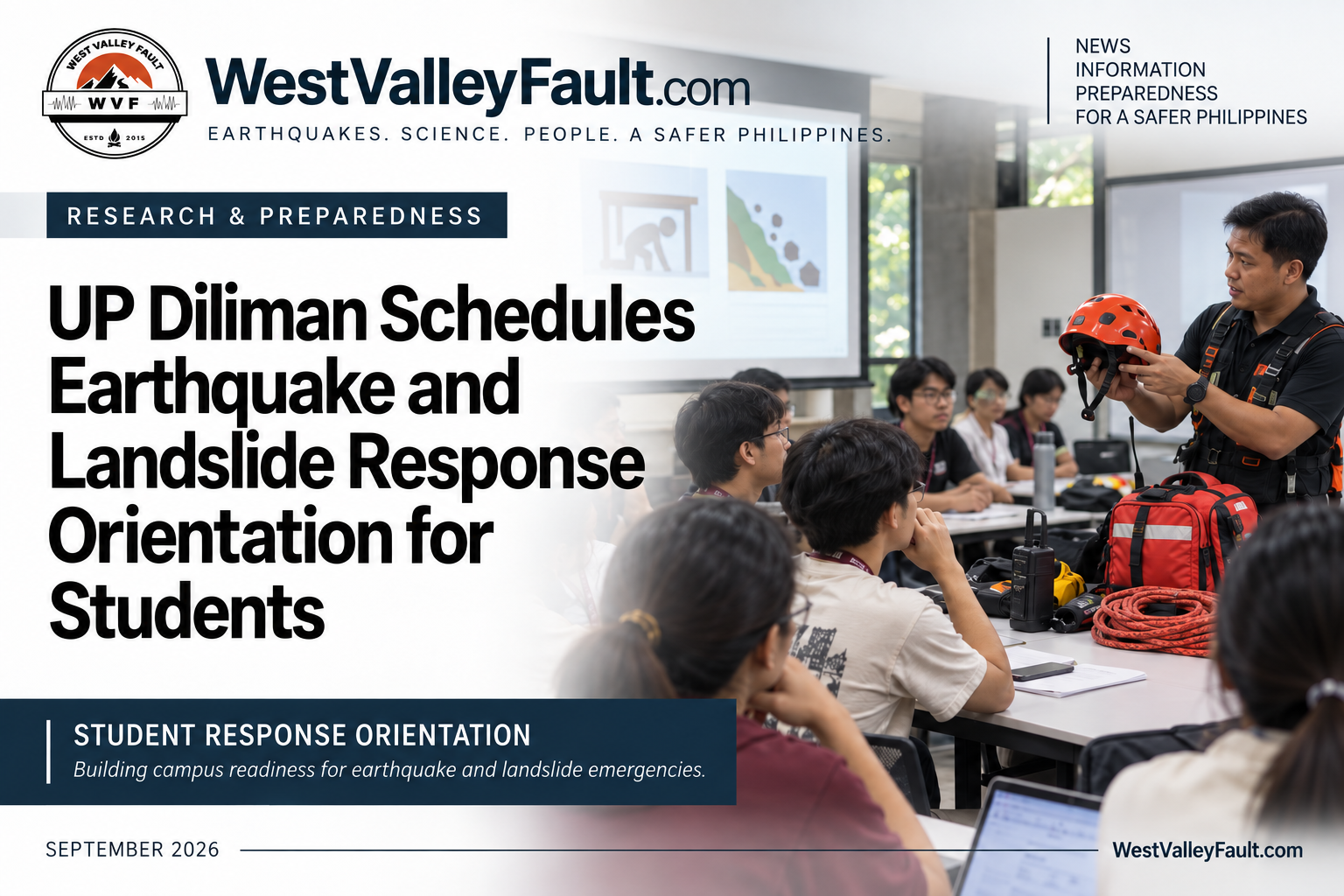
Preparedness was also tested through the third-quarter National Simultaneous Earthquake Drill, where the Office of Civil Defense again emphasized the need for regular practice across government offices, schools, workplaces, communities, and other institutions. The message was clear: emergency plans become more useful when people know their roles and have practiced how to respond before a real earthquake occurs. (Philippine News Agency)
At the household level, GSIS urged members to treat financial protection as part of disaster preparedness by considering appropriate insurance coverage, safeguarding important documents, maintaining emergency funds, and including financial recovery in household planning. (Philippine Information Agency)
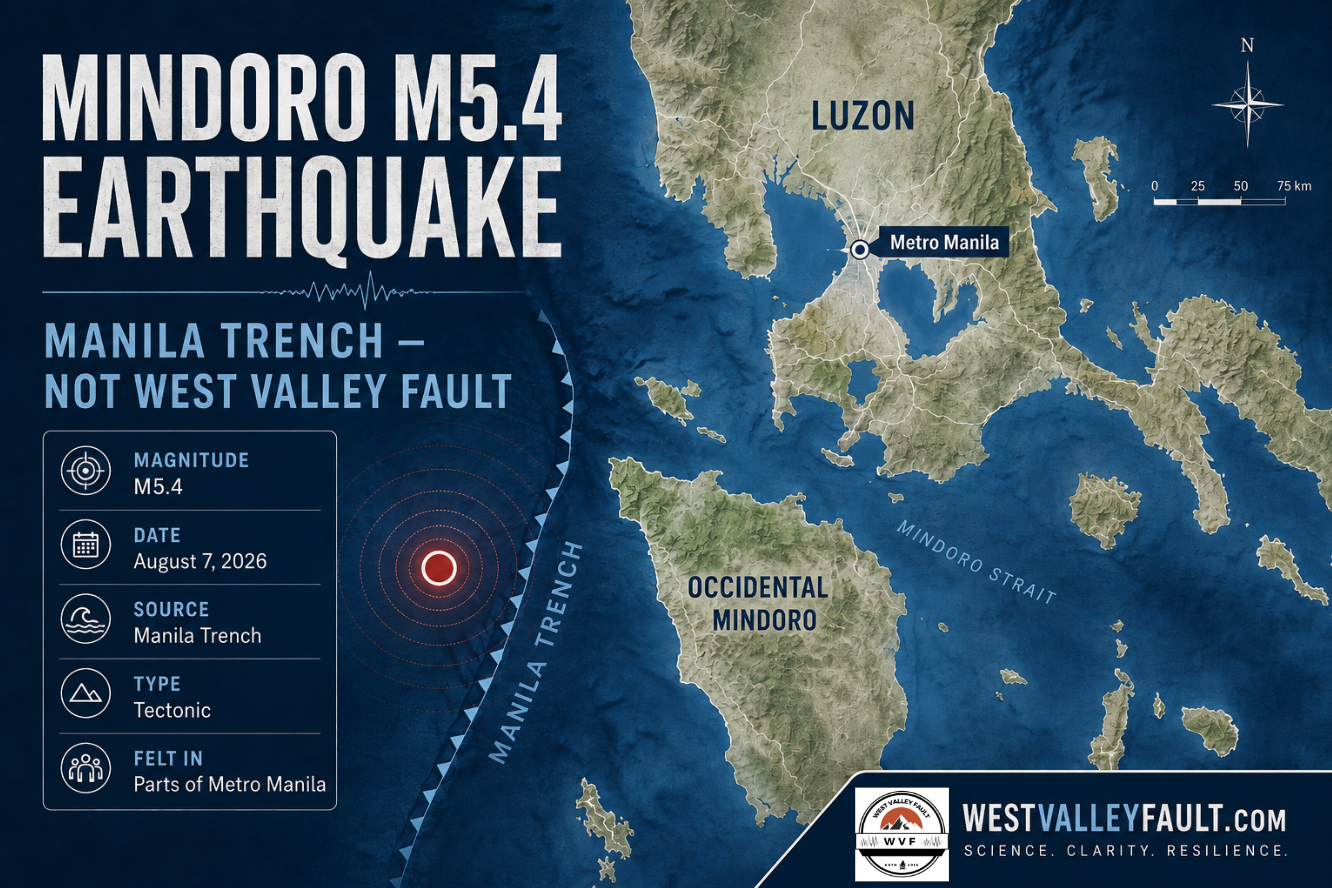
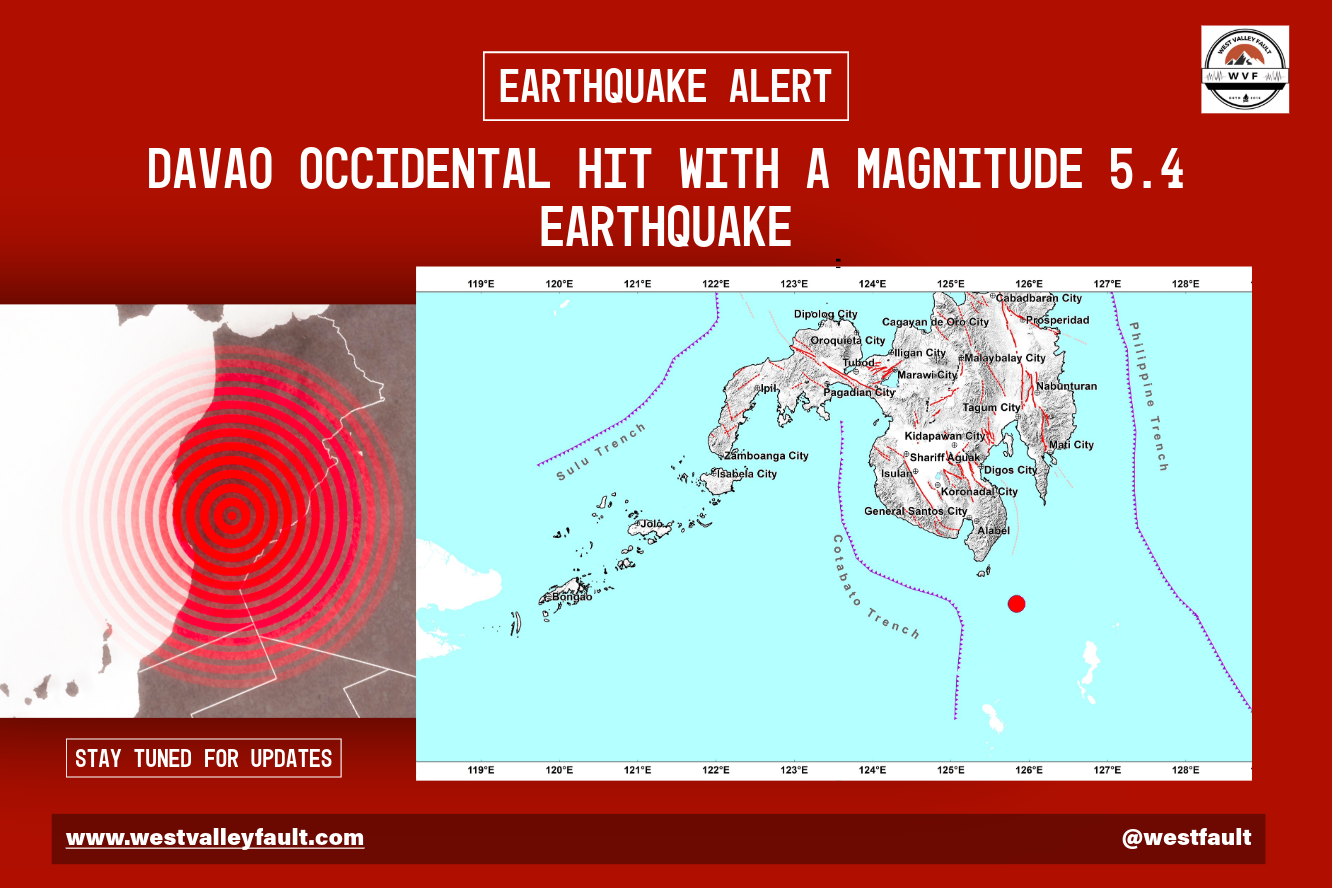
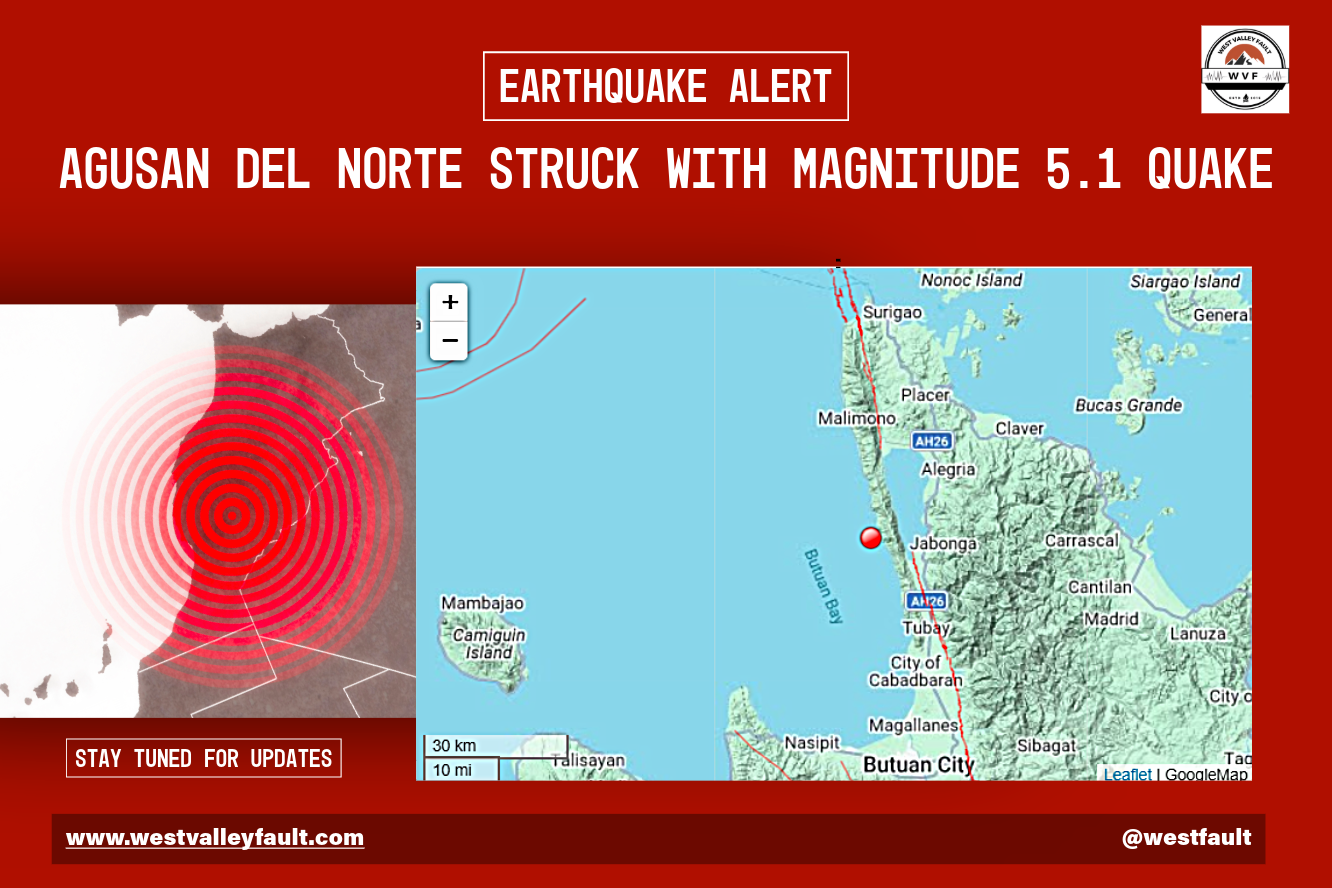
The supplied PHIVOLCS monitor recorded no earthquakes of Magnitude 5.0 or greater during the September 5–11 reporting period.
This week’s Blog Highlight, What Hazards Surround Your Child’s School?, shifts the focus to parents and school communities by examining how hazards around a school—not just conditions inside the campus—can affect evacuation, access, emergency response, and continuity of education.
Before you read further — do you know your property’s actual risk?

Download the free Home Buyer’s Earthquake Risk Guide to check your specific location against active faults, liquefaction zones, and building safety factors. It takes five minutes and doesn’t require a subscription.
Small disclaimer: This checklist is an educational screening tool—not an official hazard assessment or guarantee of safety.

Subscribe to continue reading
Subscribe to get access to the rest of this post and other subscriber-only content.