

MANILA — The Philippine National Police, Armed Forces of the Philippines and Philippine Coast Guard have begun a three-day inter-agency exercise in Manila designed to test how the country’s uniformed services would respond to a major earthquake associated with the West Valley Fault.
Inter-Agency Exercise Sanlakas 02-2026 opened on September 30 and is scheduled to run through October 2. The exercise is testing command coordination, search-and-rescue operations, security measures, and the rapid deployment of personnel and equipment under a large-scale earthquake scenario affecting Metro Manila.
The opening was held at Pier 15 in Manila’s Port Area under Philippine Coast Guard leadership. Reports said the exercise brings together the three services under a common operational scenario rather than limiting the activity to a single-agency or office-level evacuation drill.
Exercise tests command, rescue and rapid deployment
PNP chief Gen. Jose Melencio Nartatez Jr. said the exercise is intended to test existing response mechanisms, strengthen inter-agency coordination and identify operational weaknesses that could affect performance during an actual disaster.

Among the functions being tested are command coordination, search and rescue, security operations and emergency deployment procedures. The wider exercise also includes humanitarian assistance and disaster-response functions requiring the rapid movement of government personnel and resources.
The scenario centers on a destructive earthquake linked to the West Valley Fault and the resulting need for coordinated operations in Metro Manila and nearby areas.
Why it matters for earthquake preparedness
This is an operational-readiness exercise involving the country’s three major uniformed services, not a routine evacuation drill. Its focus is on whether separate agencies can function together under a large-scale disaster scenario involving damaged communities, security requirements, rescue operations and the rapid deployment of personnel and equipment.
That makes the exercise directly relevant to Metro Manila’s wider preparations for a major West Valley Fault earthquake, where response would depend on coordinated command, communications, rescue capacity and the movement of national resources into affected areas.
WVF has previously tracked related preparedness measures, including Metro Manila earthquake exercises tied to contingency planning and Quezon City’s requirement for evacuation plans in 24 earthquake-hotspot barangays.
Performance cannot yet be assessed
Initial reports describe the capabilities and coordination mechanisms that Sanlakas 02-2026 is designed to test. They do not yet establish how well the agencies performed, which deficiencies were confirmed, or what corrective actions may follow.
Those conclusions will depend on any after-action review, official findings or agency assessment released after the exercise concludes on October 2.
Stay Informed. Stay Prepared.
Get continuing earthquake intelligence, preparedness updates, Special Reports, and the WestValleyFault.com Weekly Earthquake & Preparedness Intelligence Report delivered to your inbox.
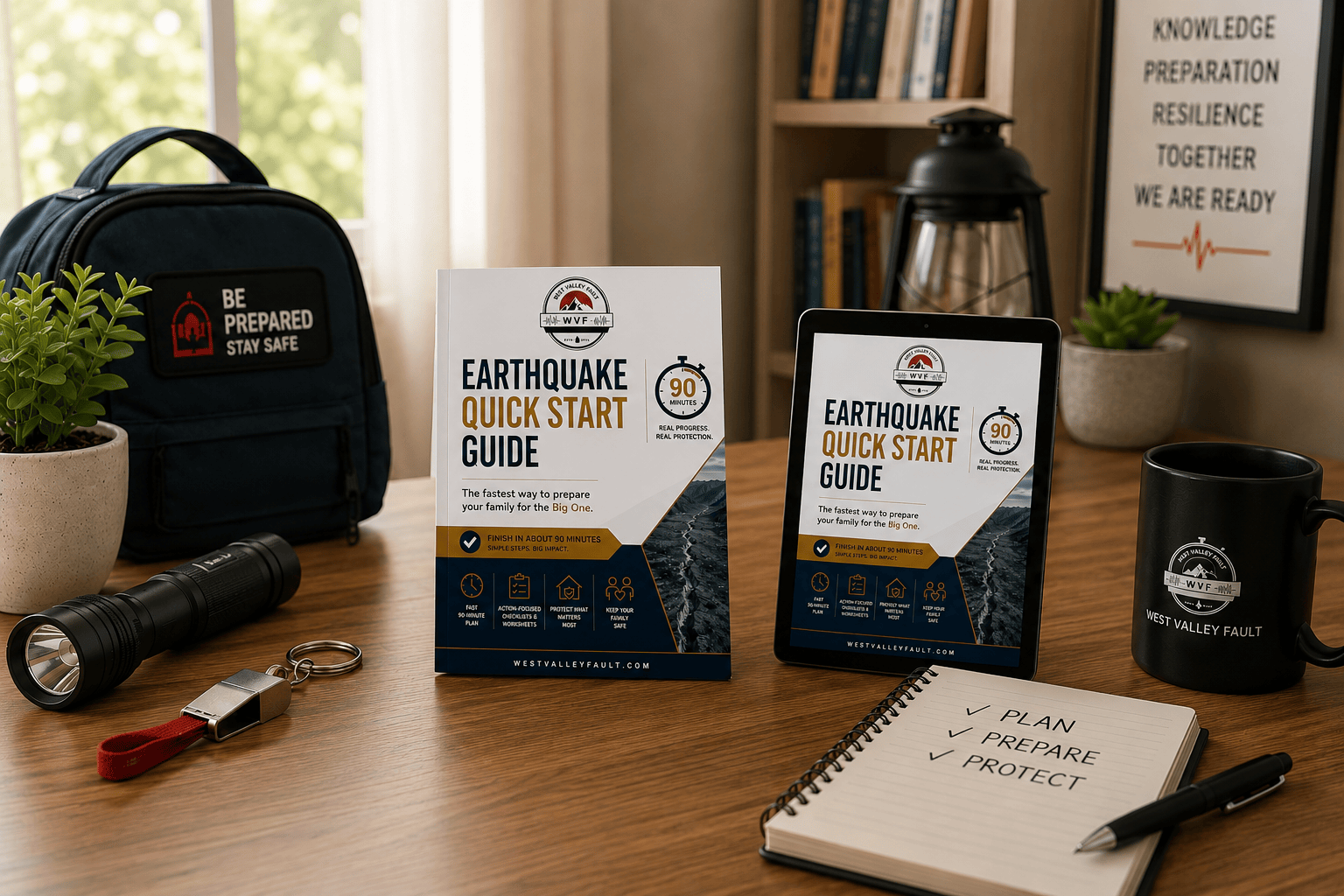
As a welcome gift, you’ll also receive the FREE WVF Earthquake Preparedness Quick Start Guide with practical first steps every household can take before a major earthquake.
Enter your email below to join the WVF email list. Unsubscribe anytime.
Recommended Further Reading
- Metro Manila Earthquake Drill 2024: Test of New Contingency Plan
- Quezon City Requires Evacuation Plans for Government Buildings in 24 Earthquake-Hotspot Barangays
- High-Rise Earthquake Evacuation, Part 2: Thirty Floors Down to Safety
Sources
- Manila Bulletin — report on PNP participation in Sanlakas 02-2026, September 30, 2026
- Radyo Pilipinas — report on the inter-agency “Big One” response exercise, September 30, 2026
- Daily Tribune — “PNP joins AFP, PCG in ‘Big One’ earthquake drill,” September 30, 2026




Leave a Reply