

Week of July 12 – 18, 2026
Focus: Earthquake Activity & Public Preparedness
Issue #004
Executive Summary
This week’s developments reflect a growing national commitment to embedding disaster resilience into governance, infrastructure, science, and community development. Across the country, government agencies, local government units, and partner institutions advanced initiatives aimed at strengthening earthquake preparedness through resilient infrastructure, digital planning tools, hazard assessment, public education, and coordinated disaster risk reduction efforts.
At the same time, recent seismic activity served as a timely reminder that the Philippines remains highly vulnerable to earthquakes, underscoring the importance of sustained preparedness and informed decision-making. As communities commemorated the anniversary of the 1990 Luzon earthquake, the week’s developments reinforced a common message: resilience is built not only through emergency response but also through continuous investment in science, planning, infrastructure, and public awareness before disasters occur.
30-Second Takeaway
- A US$300 million World Bank project will help Metro Manila strengthen resilience against the anticipated “Big One.”
- Three magnitude 5.0+ earthquakes were recorded this week, including a Magnitude 6.3 event off Davao Occidental.
- PHIVOLCS continued monitoring the Masbate earthquake swarm, reinforcing the importance of continuous seismic surveillance.
- GeoRiskPH and disaster-resilient land-use planning are helping local governments integrate hazard information into development decisions.
- Local communities in Pangasinan and Tandag advanced preparedness through tsunami awareness and science-based public education.
- This week’s developments reinforce a common message: preparedness is most effective when science, infrastructure, government action, and community participation work together.

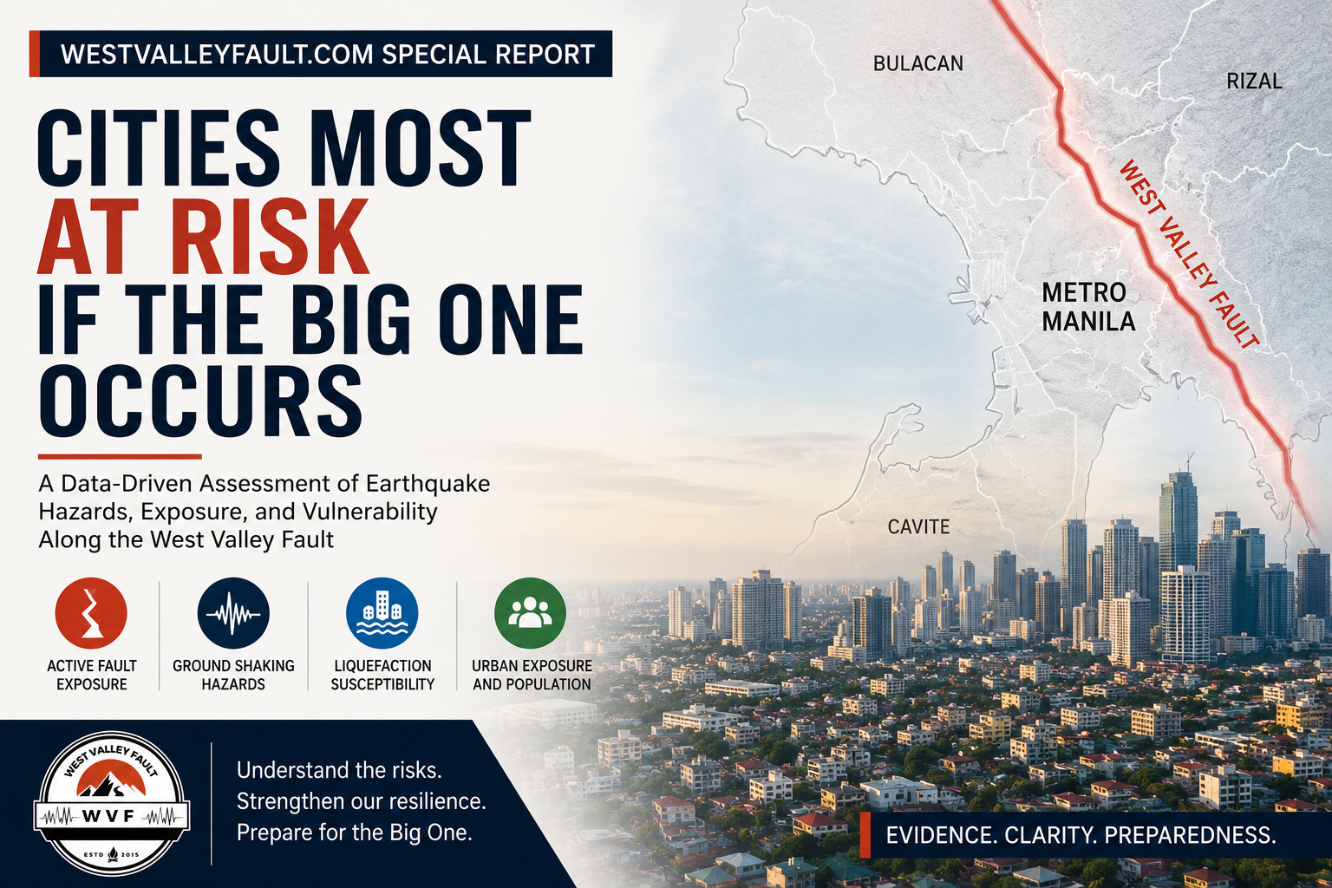
This special report examines why building performance, code enforcement, structural assessments, and engineering decisions—not earthquake magnitude alone—will determine the true impact of the next major earthquake.
Top Developments
World Bank Reports Progress on Metro Manila’s US$300 Million “Big One” Resilience Project

The World Bank reported continued progress on the implementation of the US$300 million Metro Manila Seismic Risk Reduction and Resilience Project, a major initiative designed to strengthen the capital’s preparedness for a potential “Big One” earthquake. The project focuses on improving the structural resilience of critical public buildings, enhancing emergency response capabilities, and reducing seismic risks across Metro Manila.
Why It Matters:
Metro Manila remains one of the country’s most vulnerable regions to a major earthquake due to its dense population and concentration of critical infrastructure. Continued progress on this project represents a significant investment in reducing future disaster risks and protecting essential public services.
Source: Manila Bulletin
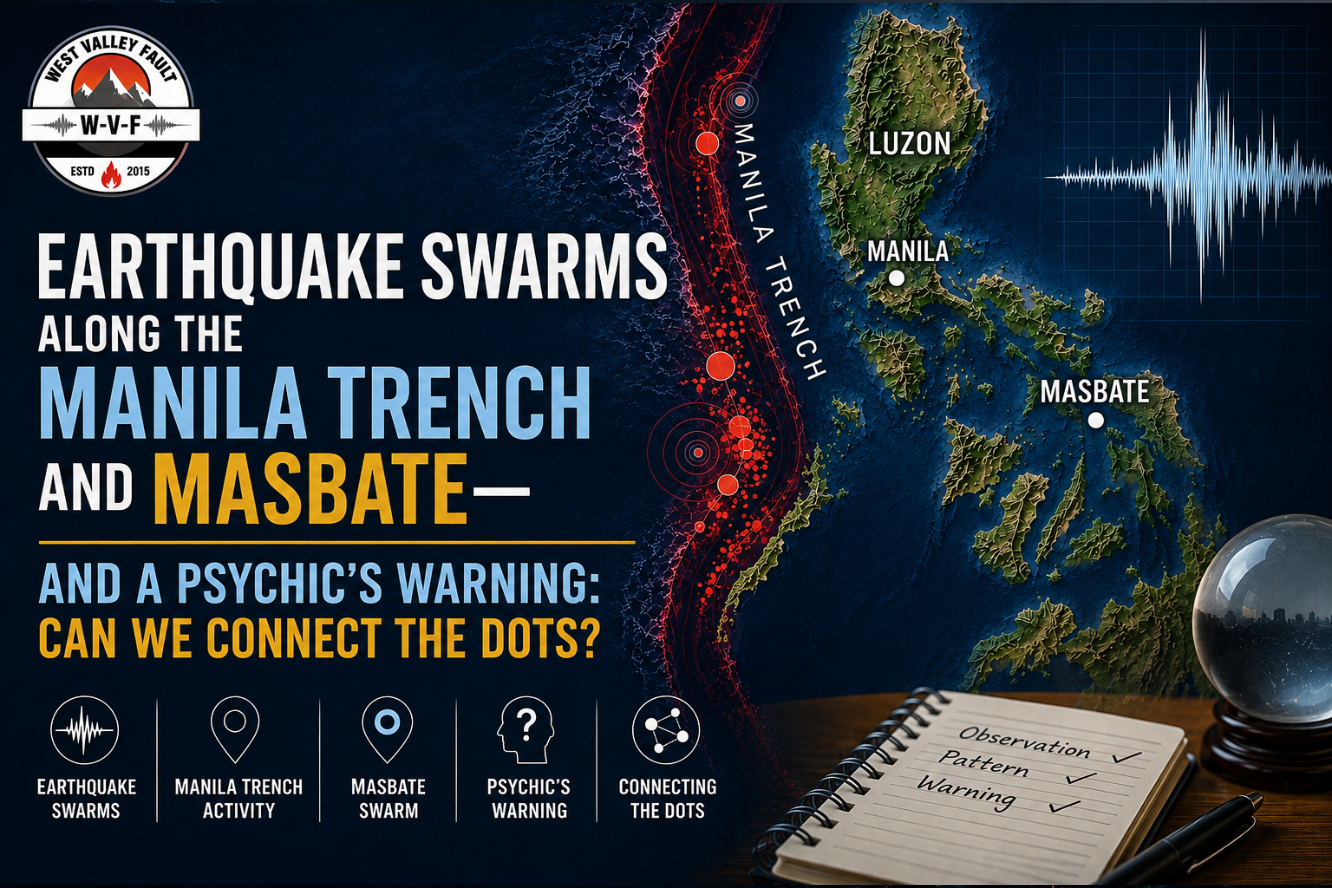
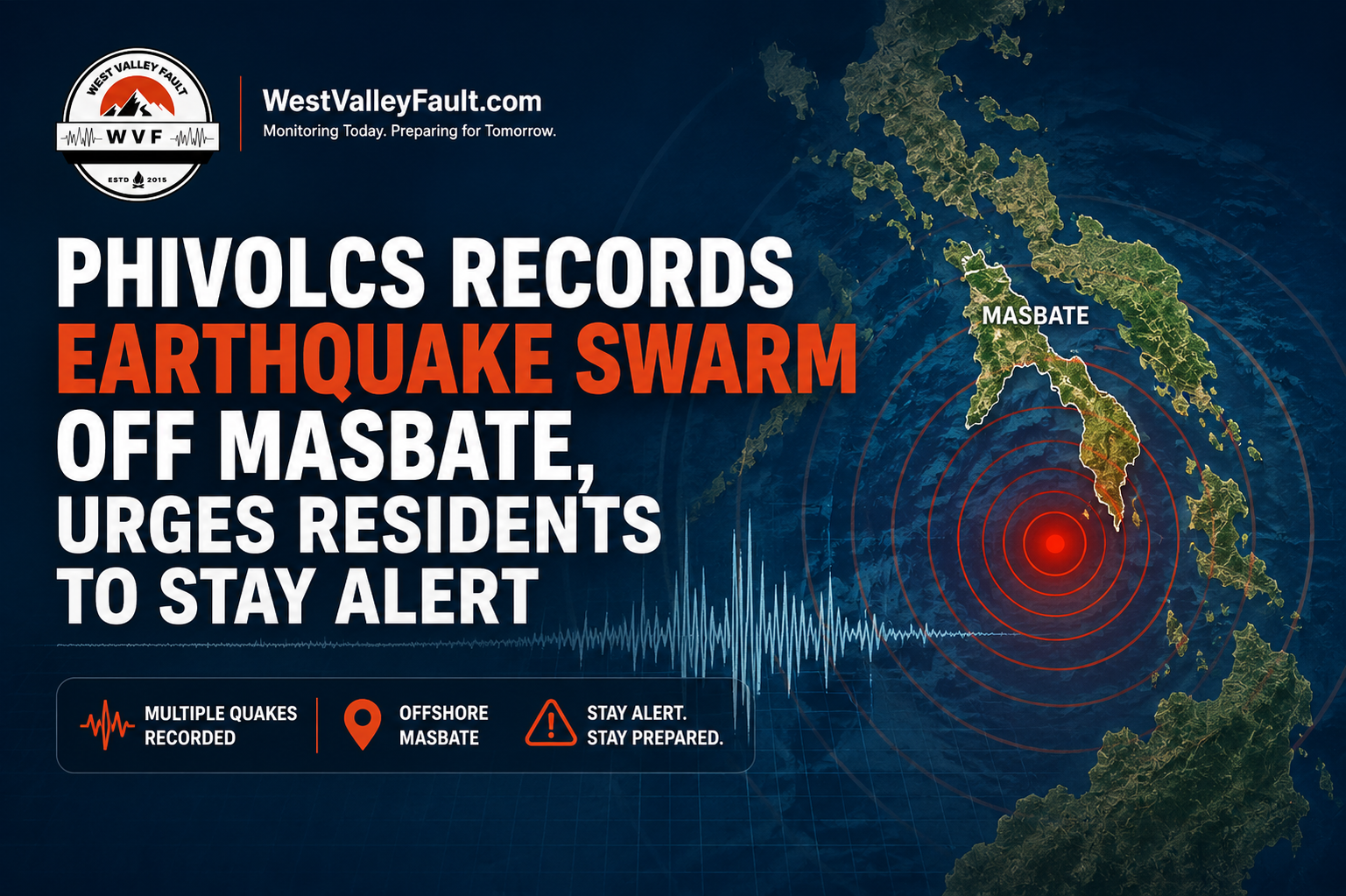
Earthquake Swarm Off Masbate Exceeds 50 Tremors
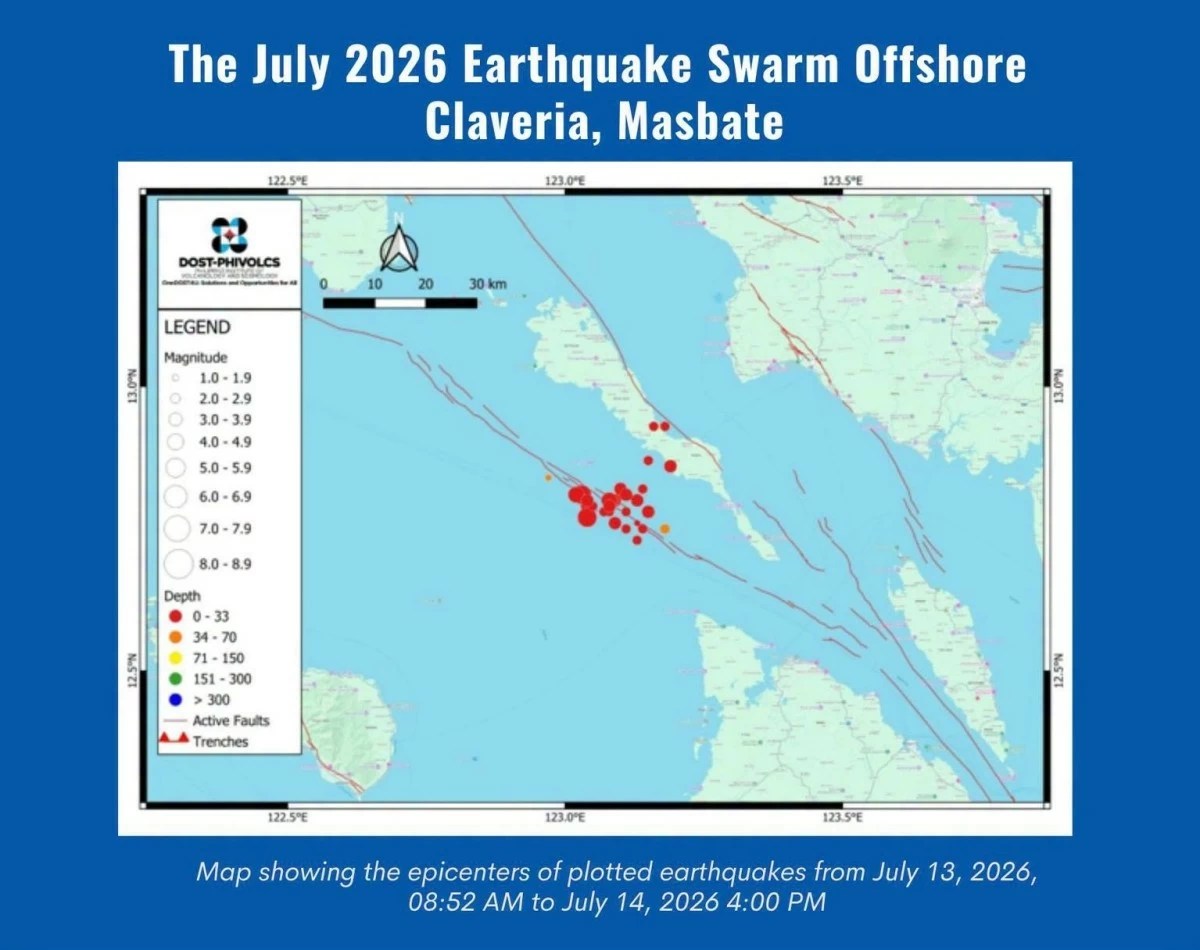
PHIVOLCS reported that an earthquake swarm off the coast of Masbate had generated more than 50 recorded tremors since July 13. While most of the earthquakes were weak and no major damage was reported, authorities continued monitoring the seismic activity and reminded the public to rely on official advisories for updates.
Why It Matters:
Although earthquake swarms do not always lead to larger earthquakes, they highlight the dynamic nature of the country’s seismic environment. Continuous monitoring and timely public information are essential for maintaining preparedness and preventing the spread of misinformation during periods of heightened seismic activity.
Source: Manila Bulletin
DOST Encourages LGUs to Adopt GeoRiskPH for Science-Based Hazard Assessment

The Department of Science and Technology (DOST) urged local government units in Central Visayas to maximize the use of the GeoRiskPH platform for hazard assessment and disaster risk reduction planning. The digital platform provides access to hazard maps, exposure data, and risk information that support evidence-based land-use planning, infrastructure development, and emergency preparedness.
Why It Matters:
Effective disaster preparedness begins with informed decision-making. Expanding the use of science-based tools like GeoRiskPH enables local governments to identify hazards more accurately, prioritize risk reduction measures, and integrate disaster resilience into long-term development planning.
Source: Philippine Information Agency (PIA)

This in-depth analysis explores how fault-line proximity influences real estate prices in 2026.
Government Preparedness
Government agencies continued to strengthen disaster resilience through policy implementation, capacity building, digital innovation, and infrastructure planning. This week’s initiatives demonstrate a sustained effort to integrate disaster risk reduction into governance and local development.
National
• Metro Manila “Big One” Resilience Project
Refer to Top Developments above.
The World Bank-backed initiative continues to strengthen Metro Manila’s capacity to withstand a major earthquake through investments in resilient public infrastructure and improved emergency preparedness.
Source: Manila Bulletin
• DILG-NCR Launches National Disaster Resilience Month
The Department of the Interior and Local Government–National Capital Region officially launched the observance of National Disaster Resilience Month, reaffirming its commitment to strengthening disaster preparedness, promoting public awareness, and enhancing coordination among local government units and partner agencies.
Source: DILG National Capital Region
• DHSUD Advances Disaster-Resilient Land Use Planning
The Department of Human Settlements and Urban Development introduced a digital platform that supports local government units in integrating disaster resilience into comprehensive land-use planning. The initiative aims to improve evidence-based decision-making and promote safer, more sustainable community development.
Source: Philippine Information Agency (PIA)
Cebu City
• DOST Promotes GeoRiskPH for Hazard Assessment
Refer to Top Developments above.
The Department of Science and Technology encouraged local government units to maximize the GeoRiskPH platform as a science-based tool for hazard assessment, land-use planning, and disaster preparedness.
Source: Philippine Information Agency (PIA)
Davao
• RDRRMC XI Calls for Stronger Disaster Resilience Measures
The Office of Civil Defense–Regional Disaster Risk Reduction and Management Council (RDRRMC XI) urged government agencies, local government units, and stakeholders to strengthen resilience measures and adopt long-term solutions to address disaster hazards. The call reinforces the importance of collaboration, preparedness, and proactive risk reduction across communities.
Source: Philippine Information Agency (PIA)
• DILG Davao Pushes Stronger Infrastructure Audit Program
The DILG in Davao Region called for strengthening infrastructure audit programs to reduce disaster-related deaths and property damage. The proposal emphasizes regular safety assessments of public infrastructure to identify vulnerabilities and improve resilience before disasters occur.
Source: SunStar Davao
Cagayan Valley
- DOST Expands Science-Driven Preparedness Programs in Cagayan Valley
The Department of Science and Technology (DOST) expanded its science-based disaster preparedness initiatives in Cagayan Valley, promoting the use of scientific research, hazard information, and technological innovations to support local disaster risk reduction efforts and improve community resilience.
Source: Philippine Information Agency (PIA)
Research & Monitoring
This week’s scientific developments focused on ongoing seismic monitoring and the use of hazard information to support informed decision-making. While government agencies continued promoting science-based preparedness initiatives, recent earthquake activity underscored the importance of continuous monitoring and timely public advisories.
• Earthquake Swarm Off Masbate
(Refer to Top Developments above.)
PHIVOLCS continued monitoring the earthquake swarm off the coast of Masbate, where more than 50 earthquakes had been recorded since July 13. Authorities advised the public to rely on official updates while scientists assessed the evolving seismic activity.
Source: Manila Bulletin
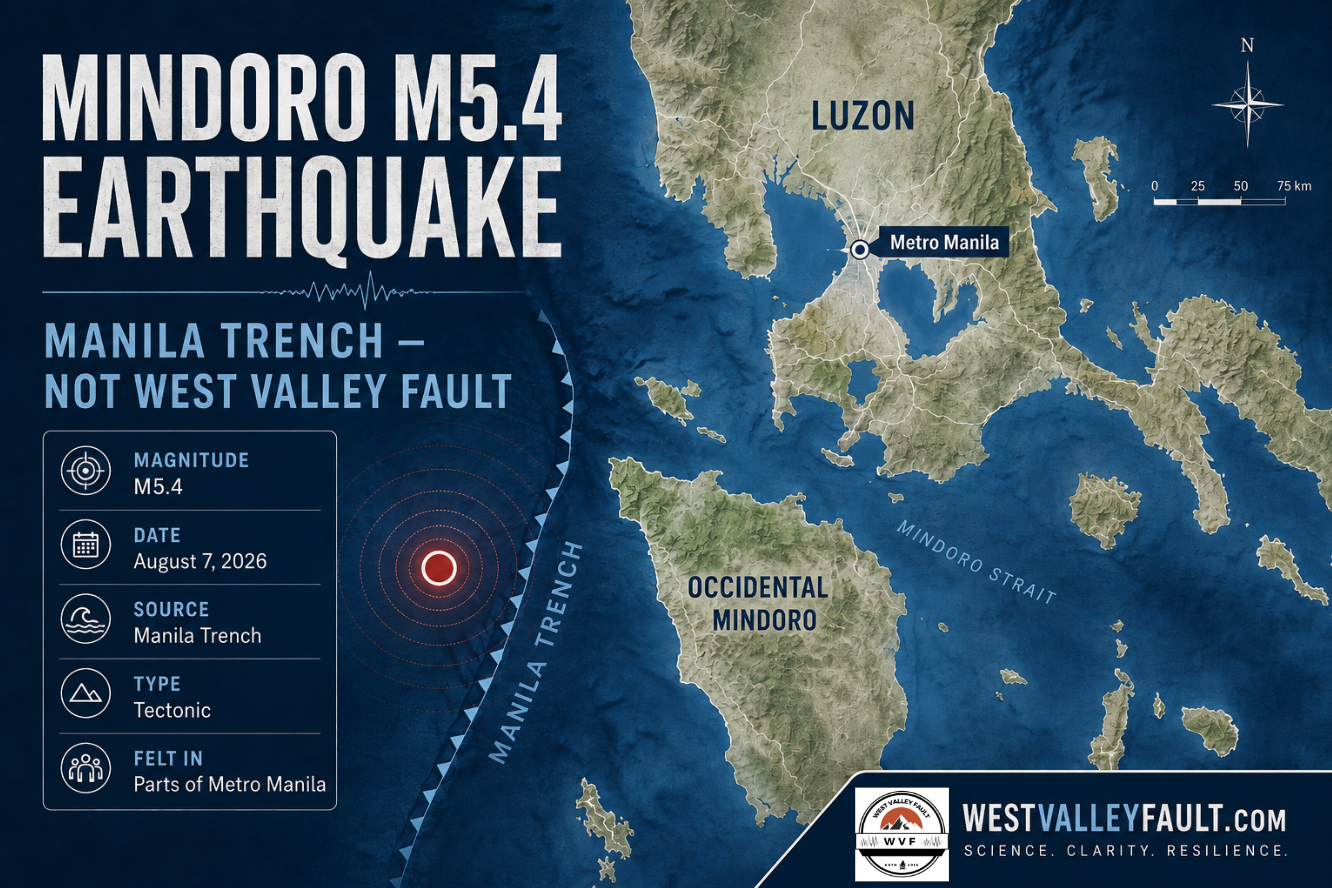
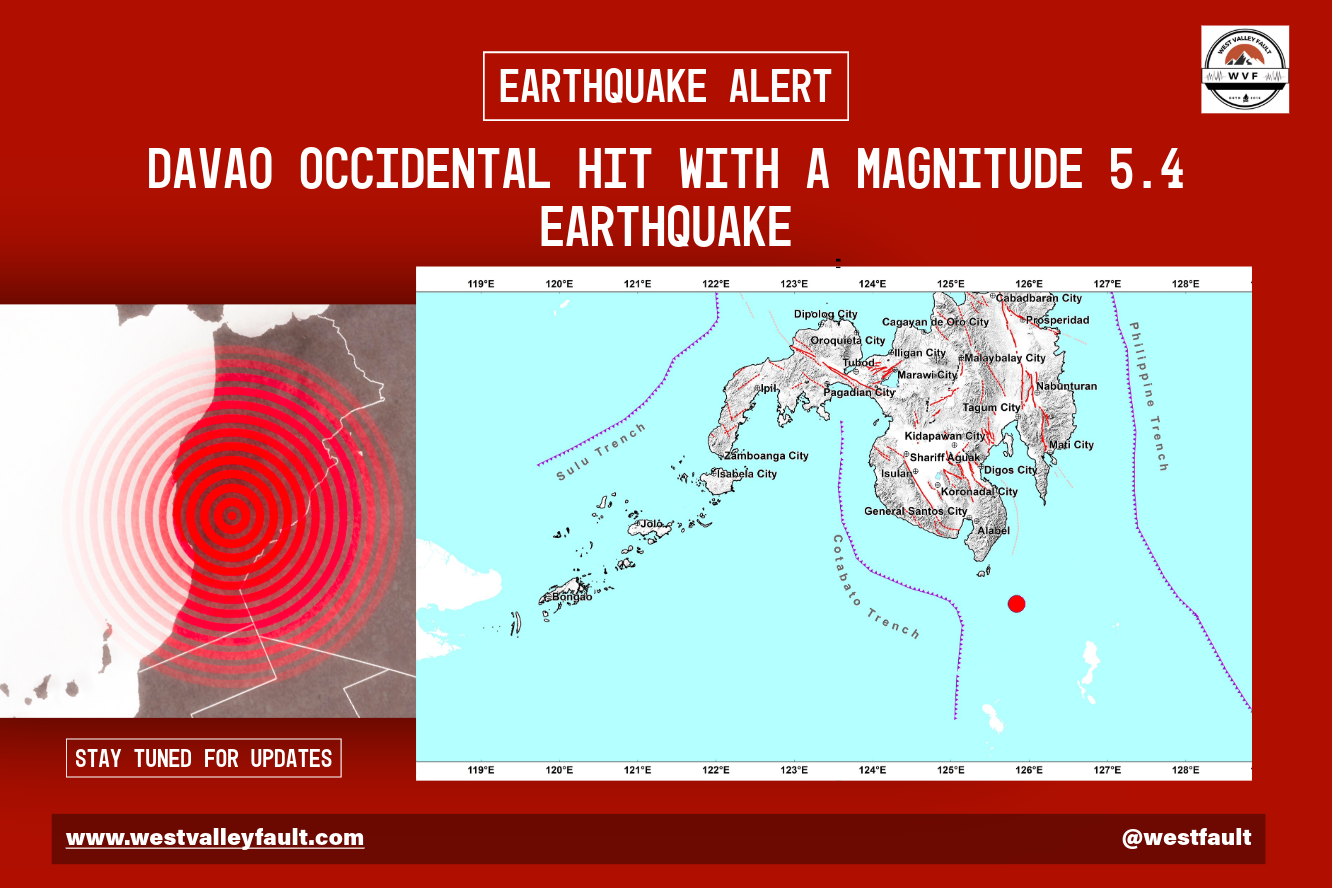
• Aftershocks Continue in Davao Occidental; Earthquake Recorded in Mindoro
Aftershocks continued to be felt in parts of Davao Occidental following recent seismic activity, while a separate earthquake was recorded in Mindoro. Although no significant damage was reported, the events highlighted the need for continuous seismic monitoring and public awareness in earthquake-prone areas.
Source: The Chronicle
Infrastructure & Policy
This week’s developments highlighted continued investments in resilient infrastructure and policy initiatives that strengthen disaster risk reduction through safer public facilities, improved planning, and proactive governance.
• Metro Manila “Big One” Resilience Project
(Refer to Top Developments above.)
The World Bank-supported Metro Manila Seismic Risk Reduction and Resilience Project continues to strengthen the structural resilience of critical public infrastructure and enhance emergency preparedness for a potential major earthquake.
Source: Manila Bulletin
• DHSUD Advances Disaster-Resilient Land Use Planning
The Department of Human Settlements and Urban Development (DHSUD) introduced a digital platform that enables local government units to integrate hazard information into comprehensive land-use planning. By providing data-driven planning tools, the initiative supports the development of safer, more resilient communities and helps reduce disaster risks before they occur.
Source: Philippine Information Agency
• DILG Davao Pushes Stronger Infrastructure Audit Program
The Department of the Interior and Local Government (DILG) in Davao Region called for strengthening infrastructure audit programs to identify structural vulnerabilities in public buildings and critical facilities. Regular infrastructure assessments can help prevent casualties and reduce property damage by ensuring that essential structures remain safe and resilient against future disasters.
Source: SunStar Davao
Earthquake Activity This Week
Most Significant Event
Reporting Period: July 12–17, 2026
| Date & Time (PST) | Magnitude | Depth | Location |
|---|---|---|---|
| 14 July 2026 – 11:49 PM | 6.3 | 37 km | 51 km S 37° W of Balut Island (Municipality of Sarangani), Davao Occidental |
| 14 July 2026 – 3:04 PM | 5.2 | 5 km | 25 km S 66° W of Claveria, Masbate |
| 13 July 2026 – 8:54 AM | 5.4 | 5 km | 27 km S 58° W of Claveria, Masbate |
Source: PHIVOLCS – Latest Earthquake Information (Earthquake Monitoring System)
Weekly Seismic Note: Two of the three magnitude 5.0 and above earthquakes occurred offshore southwest of Claveria, Masbate, corresponding with the earthquake swarm monitored by PHIVOLCS and discussed in the Research & Monitoring section.
Overall Assessment
No new nationally destructive earthquake dominated the reporting period, but the Masbate swarm and aftershocks in Davao Occidental both reinforced the importance of continued monitoring and public preparedness.
Community Preparedness
Communities across the Philippines continued to strengthen disaster readiness through public education, drills, and local initiatives that promote a culture of preparedness. This week’s activities emphasized that resilience is built not only through infrastructure, but also through informed and engaged communities.
• Pangasinan
• Pangasinan Strengthens Tsunami Preparedness
Residents and local officials in Pangasinan participated in tsunami preparedness activities aimed at improving public awareness, evacuation planning, and community response capabilities in coastal areas vulnerable to seismic sea waves.
Sources: Philippine Information Agency
• Surigao del Sur
• Tandag Promotes Earthquake Science Through Community Education
The City Government of Tandag partnered with science agencies to promote earthquake awareness and disaster preparedness through educational activities designed to improve public understanding of seismic hazards and appropriate safety measures.
Source: Philippine Information Agency
• Baguio City
• Baguio Commemorates the 1990 Luzon Earthquake and Lessons Learned
Communities commemorated the anniversary of the 1990 Luzon earthquake by reflecting on its lessons and reinforcing the importance of earthquake preparedness, resilient construction, and public awareness to reduce future disaster risks.
Source: Manila Bulletin
This Week in Numbers
This Week in Numbers
| Indicator | Value |
|---|---|
| Magnitude 5.0+ earthquakes recorded (July 12–17) | 3 |
| Strongest earthquake recorded | Magnitude 6.3 |
| Earthquake swarm reported in Masbate | 50+ tremors |
| World Bank funding for Metro Manila Big One Project | US$300 million |
| GeoRiskPH platform promoted to LGUs | 1 national initiative |
| Disaster-resilient land-use planning platform launched | 1 digital planning initiative |
| Infrastructure audit strengthening initiatives highlighted | 1 regional program |
| Community preparedness activities featured | 3 local initiatives |
Special Report of the Week
The Big One Is Not the Biggest Threat—Our Buildings Are
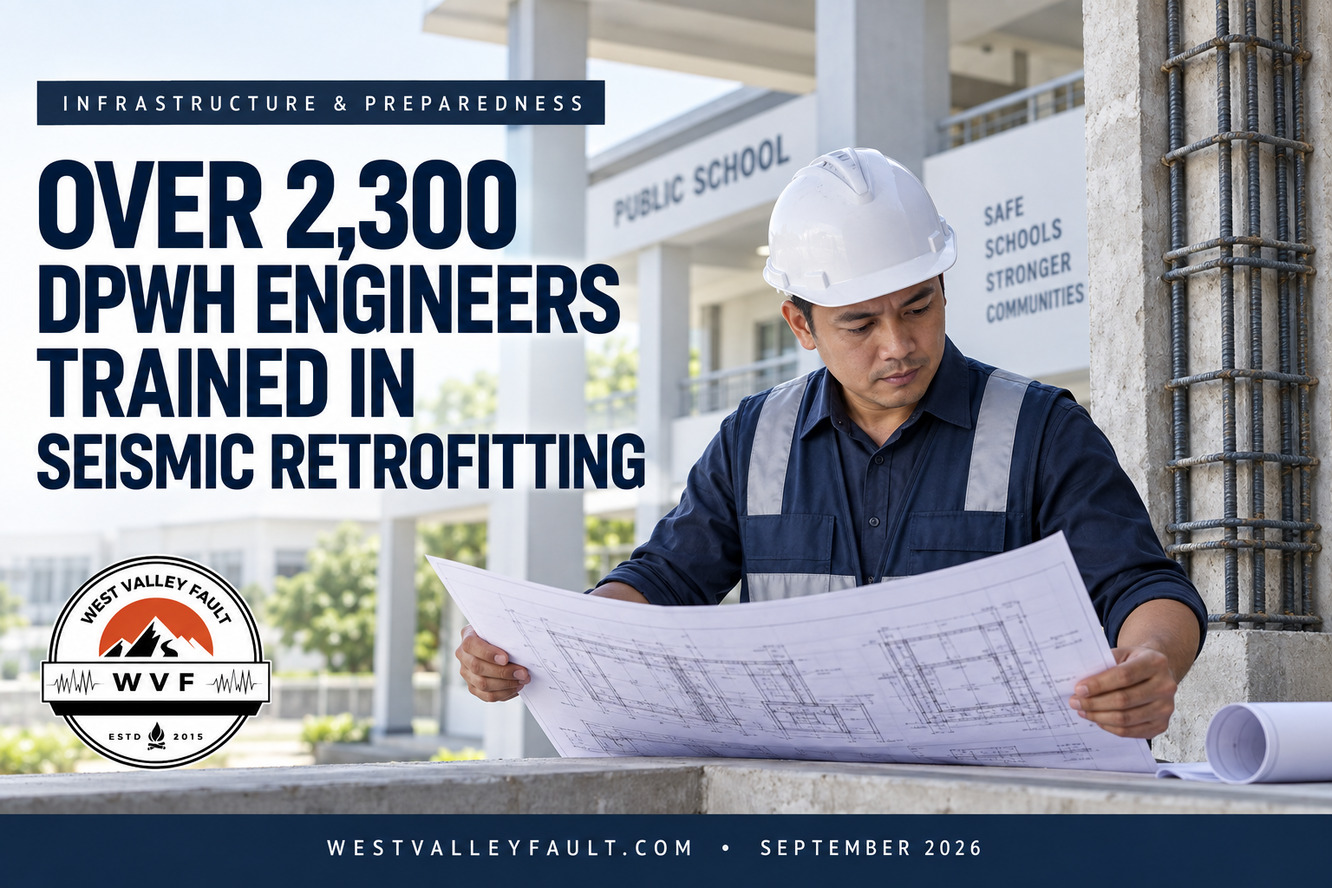
Earthquakes do not kill people—unsafe buildings do. This week’s featured special report examines why the greatest risk during the anticipated “Big One” is not the earthquake itself, but the vulnerability of homes, schools, offices, hospitals, and other structures that were not designed or maintained to withstand strong ground shaking.
The report explores how resilient construction, stricter building standards, regular structural assessments, and informed decision-making can significantly reduce earthquake impacts. It also explains why preparedness must extend beyond emergency response and focus on creating safer communities before the next major earthquake strikes.
Read the full Special Report: https://wp.me/p6gg63-2d1
Check our latest Special Reports for deeper insights into earthquake hazards, preparedness, and resilience in the Philippines, and return next week for the next edition of the WestValleyFault.com Weekly Earthquake & Preparedness Intelligence Report.
Preparation always starts in the family.

Take the next step in your preparedness journey.
Get the FREE West Valley Fault™ Quick Start Guide by joining the WVF email list below.
Free PDF. No spam. Unsubscribe anytime.
Recommended Further Reading
- Special Report: Palawan Was Never Earthquake-Free—We Just Didn’t Know the Whole Story
- Earthquake Preparedness for Businesses and Industries
- Discover the Safest Places in the Philippines: Earthquake-Free Zones
- Preparing for the Big One: Essential Earthquake Survival Kit for Filipinos
References
Top Developments
- Manila Bulletin. World Bank approves US$300-million financing for Metro Manila Big One preparedness project.
- Manila Bulletin. PHIVOLCS monitors Masbate earthquake swarm.
- Philippine Information Agency. GeoRiskPH supports science-based local planning.
Government Preparedness
- Manila Bulletin. World Bank approves US$300-million financing for Metro Manila Big One preparedness project.
- Philippine Information Agency. GeoRiskPH supports science-based local planning.
- Philippine Information Agency. DOST Cagayan Valley strengthens disaster preparedness.
- DILG National Capital Region. National Disaster Resilience Month activities.
- Philippine Information Agency. DHSUD advances disaster-resilient land-use planning.
- SunStar Davao. Infrastructure audit initiative in Davao Region.
Research & Monitoring
- Manila Bulletin. PHIVOLCS monitors Masbate earthquake swarm.
- The Chronicle. Aftershocks continue in Davao Occidental.
- PHIVOLCS. Latest Earthquake Information.
Infrastructure & Policy
- Manila Bulletin. World Bank approves US$300-million financing for Metro Manila Big One preparedness project.
- Philippine Information Agency. DHSUD advances disaster-resilient land-use planning.
- SunStar Davao. Infrastructure audit initiative in Davao Region.
Community Preparedness
- Philippine Information Agency. Pangasinan advances coastal communities’ tsunami preparedness. https://…
- Philippine Information Agency. Tandag promotes disaster preparedness through science-based public education.
- Manila Bulletin. Philippines remembers 1990 Luzon earthquake.
Earthquake Activity This Week
- PHIVOLCS. Latest Earthquake Information.











Leave a Reply