

Week of June 27–July 3, 2026
Focus: Earthquake Activity & Public Preparedness
Issue #002
Executive Summary
This week’s earthquake and preparedness developments point to one clear theme: resilience is no longer only about emergency response. It is increasingly about household readiness, stronger buildings, reliable communications, scientific monitoring, and community-level participation.
PHIVOLCS continued monitoring notable seismic activity, including the offshore Pangasinan earthquake swarm and a magnitude 5.3 earthquake near General Luna, Surigao del Norte. At the same time, government agencies and local communities pushed preparedness messages through National Disaster Resilience Month activities, family readiness campaigns, and community disaster drills.
This week also underscored the growing importance of science communication, with the Department of Science and Technology (DOST) strengthening the capacity of media practitioners to report hazards and disasters accurately. Together, these developments illustrate that resilience depends not only on monitoring hazards but also on ensuring that reliable information reaches the public.
Beyond earthquakes themselves, several developments also highlighted the broader infrastructure side of preparedness: renewed calls for a modernized National Building Code, discussion of climate-resilient office design, expansion of digital connectivity in Mindanao, and the launch of the country’s first national Nature-Based Solutions policy.
Featured Story
Beyond Earthquake Drills: Building a More Resilient Philippines
Earthquake preparedness is often associated with drills, go-bags, and evacuation plans. But this week’s developments show that national resilience requires more than knowing what to do when the ground starts shaking.
Preparedness is also about communication. Scientific monitoring, engineering standards, emergency planning, and public awareness are only effective when accurate information reaches communities quickly and responsibly. This week’s DOST initiative to strengthen media capacity for hazard and disaster reporting reflects the growing recognition that journalists and communicators are essential partners in disaster risk reduction.
It begins at home. During the kickoff of National Disaster Resilience Month, government officials emphasized the importance of family-level readiness for major earthquakes, particularly in the first 24 to 72 hours after a catastrophic event. This is the period when families may need to rely on their own emergency plans, supplies, and communication systems before full institutional response can reach them.

Is your home safe? Use our engineer-backed checklist to assess your Metro Manila property for earthquake resilience and secure your financial future today.
It also depends on communities. Disaster officials in Northern Mindanao encouraged residents to participate in community drills and preparedness activities, noting that strong cooperation among households, local governments, and emergency responders can help reduce casualties and speed up recovery.
But resilience also depends on the built environment. Renewed calls for the Senate to act on a House-passed proposal to overhaul the National Building Code highlight a long-standing concern: many Philippine building regulations were designed for a different era. With earthquake, flood, storm, fire, and climate-related risks becoming more visible, modern building standards are increasingly viewed as part of disaster preparedness.
The same principle applies to workplaces. Climate-resilient office design is gaining attention among developers and business owners, especially in a country frequently exposed to typhoons, flooding, heat, earthquakes, and other hazards. Proper building orientation, natural ventilation, rainwater systems, and resilient utilities can help offices remain safer and more functional during disruptions.
Finally, resilience must also include nature. The launch of the country’s first national Nature-Based Solutions policy points to growing recognition that ecosystems—forests, watersheds, wetlands, coastlines, and other natural systems—can help reduce disaster risk when properly protected and restored.
Taken together, this week’s stories show that earthquake resilience is not a single action. It is a system. It includes families, schools, offices, emergency responders, engineers, planners, local governments, scientists, and national agencies working before the next major disaster happens.
Why It Matters
The Philippines cannot prevent earthquakes, but it can reduce the damage they cause.
Prepared families can survive the first critical days. Prepared communities can respond faster. Stronger buildings can reduce casualties. Reliable communications can speed up coordination. Nature-based planning can help reduce climate-related hazards. Scientific monitoring can give communities better information.
This is what long-term resilience looks like.
Top Developments
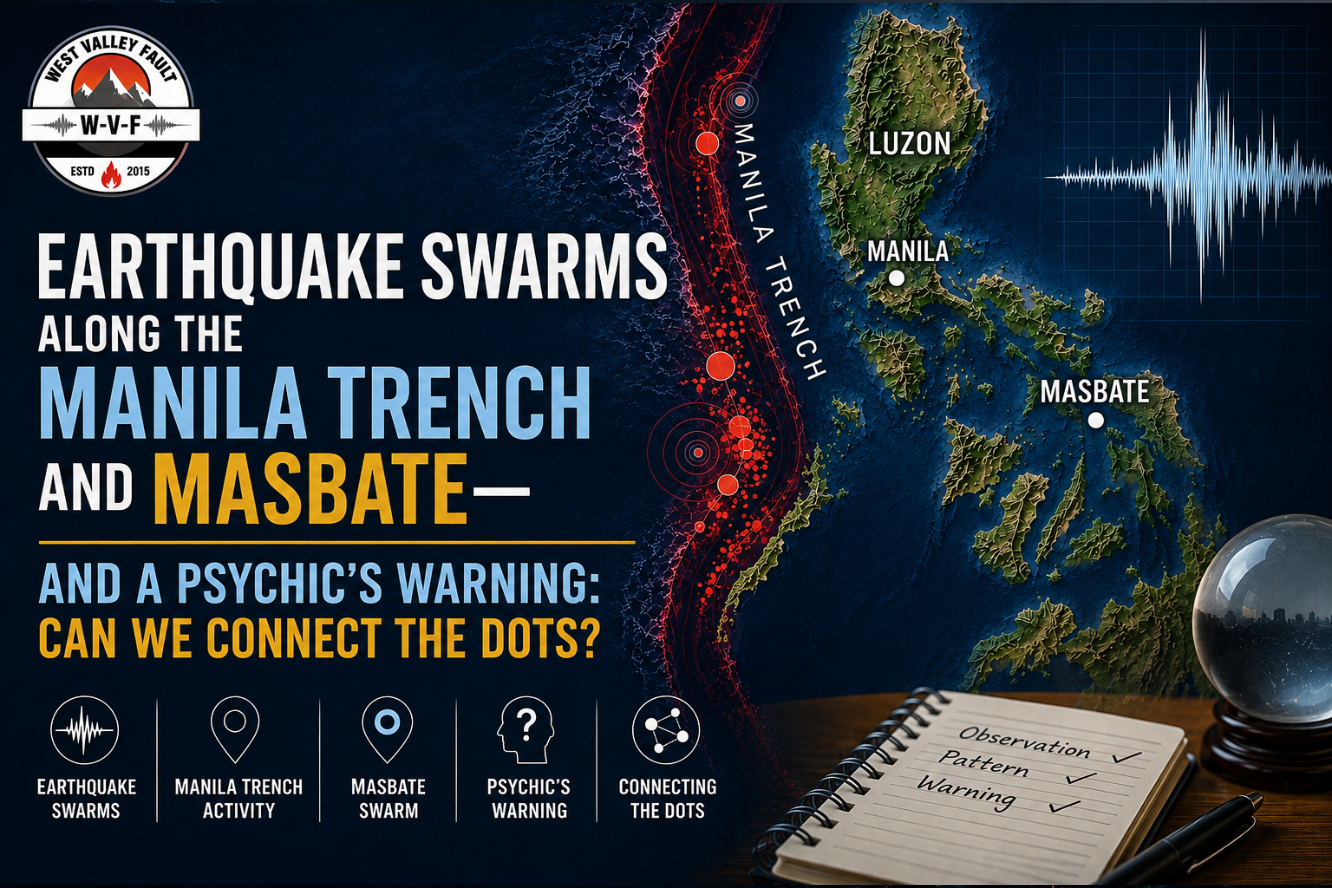
PHIVOLCS Records Offshore Pangasinan Earthquake Swarm
Source: Daily Tribune, Tempo, PHIVOLCS
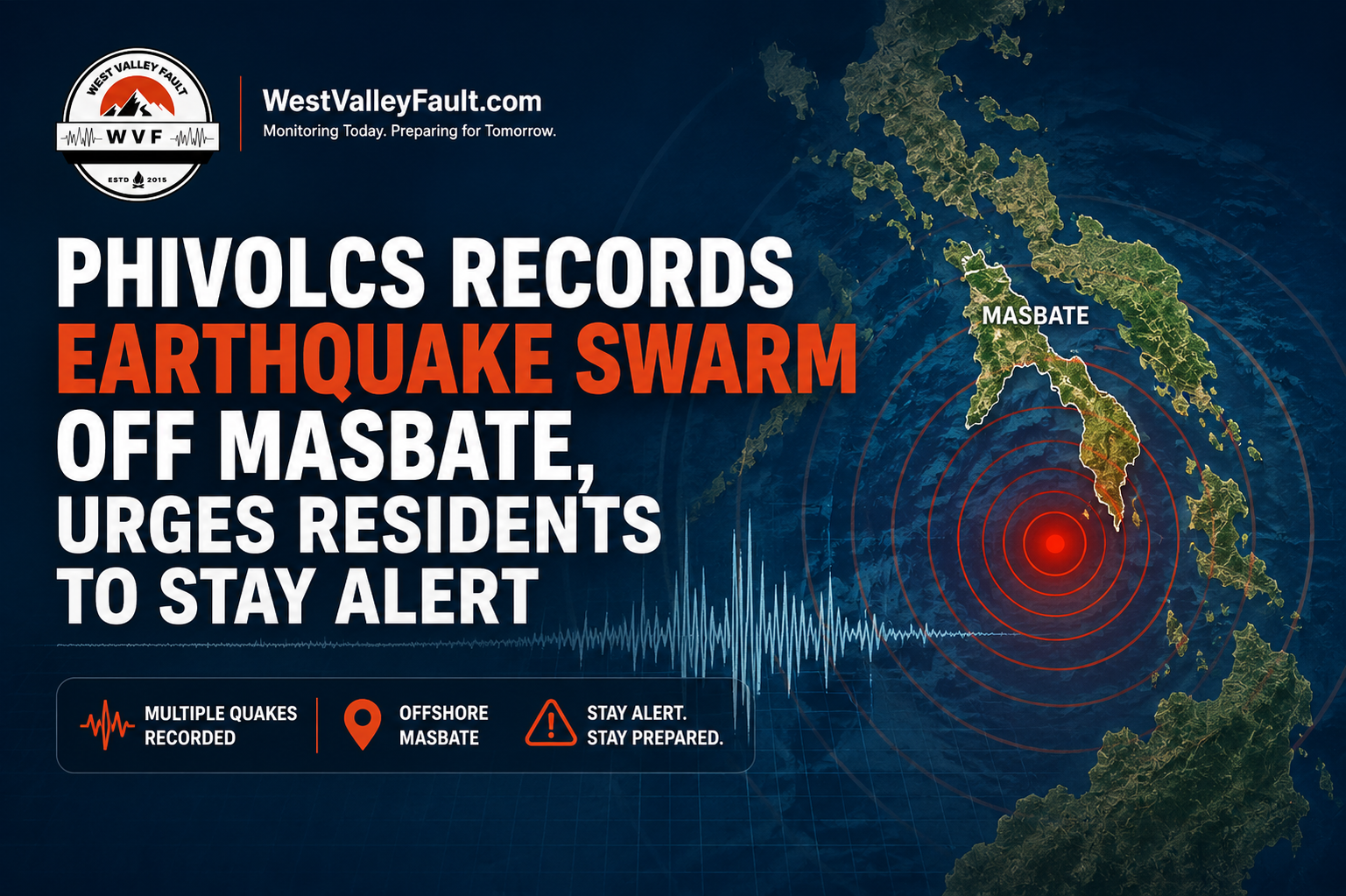
PHIVOLCS recorded an offshore earthquake swarm near Bolinao, Pangasinan, with 287 earthquakes documented as of June 26. The swarm began on May 27 and included events ranging from magnitude 1.8 to 5.1, with one event reported felt at Intensity II.
Why It Matters
Earthquake swarms do not always lead to a stronger earthquake, but they require careful monitoring. PHIVOLCS advised coastal communities to remain alert for natural tsunami warning signs such as strong prolonged shaking, sudden sea-level changes, or unusual roaring sounds from the ocean.
DOST Strengthens Media Capacity for Hazard and Disaster Reporting
Source: PIA – DOST Strengthens Media Capacity for Hazard, Disaster Reporting
The Department of Science and Technology conducted specialized training to strengthen the capacity of media practitioners in reporting earthquakes, volcanic activity, weather hazards, and other disasters. The program emphasized science-based reporting, accurate interpretation of technical information, and responsible communication before, during, and after emergencies.
Why It Matters
Reliable information saves lives. Journalists serve as a critical link between scientific agencies and the public, helping communities understand official advisories, counter misinformation, and make informed decisions during emergencies.
National Disaster Resilience Month Opens With Focus on Family Readiness
Source: Philippine Information Agency, Office of Civil Defense
The National Disaster Resilience Month kickoff emphasized household-level preparedness for major earthquakes, including the importance of family emergency plans, reunification protocols, and self-sufficiency during the first 24 to 72 hours after a major event.
Why It Matters
The first few days after a catastrophic earthquake may be the hardest. Families that already know where to go, whom to contact, and what supplies to use have a better chance of staying safe while institutional response systems mobilize.
Lawmakers Renew Call for Updated National Building Code
Source: Journal News
Lawmakers renewed calls for Senate action on a House-passed proposal to overhaul the National Building Code. The proposal aims to update building regulations to better address earthquakes, fires, floods, landslides, storms, climate change, and other hazards.
Why It Matters
Preparedness is not only about individual behavior. Stronger and more modern building regulations are essential to reducing casualties and infrastructure damage during major earthquakes, including a possible West Valley Fault event.
DENR Launches First National Nature-Based Solutions Policy
Source: BusinessWorld, DENR, UNDP
The Department of Environment and Natural Resources launched the country’s first national Nature-Based Solutions policy, intended to support ecosystem-based approaches to climate adaptation, biodiversity protection, and disaster resilience.
Why It Matters
Nature-based solutions can help communities reduce risk from flooding, erosion, storm impacts, and other climate-related hazards. While not earthquake-specific, this policy strengthens the broader disaster resilience framework that communities need.

This in-depth analysis explores how fault-line proximity influences real estate prices in 2026.
Government Preparedness
National
• National Disaster Resilience Month opened with a focus on family readiness for major earthquakes.
Source: Philippine Information Agency
• Lawmakers renewed calls to modernize the National Building Code to improve infrastructure resilience against earthquakes and other hazards.
Source: Journal News
Pasay City
• OCD emphasized that families may need to rely on self-help during the first 24 to 72 hours after a catastrophic earthquake.
Source: Philippine Information Agency / OCD
Cagayan de Oro City
• Local officials and disaster agencies urged residents to participate in community drills and preparedness activities.
Source: Mindanao Gold Star Daily
Dipolog City
- DOST strengthened the capacity of media practitioners to communicate hazards and disasters accurately through science-based reporting training.
Source: PIA – DOST Strengthens Media Capacity for Hazard, Disaster Reporting
Research & Monitoring
• PHIVOLCS continued monitoring the offshore Pangasinan earthquake swarm near Bolinao.
Source: Daily Tribune / PHIVOLCS
• The swarm included 287 recorded earthquakes as of June 26, with magnitudes ranging from 1.8 to 5.1.
Source: Daily Tribune / PHIVOLCS
• PHIVOLCS reminded coastal residents to watch for natural tsunami warning signs and follow official advisories.
Source: Daily Tribune / PHIVOLCS
Infrastructure & Policy
• Climate-resilient office design gained attention as developers and landowners consider strategies such as proper building orientation, ventilation, rainwater harvesting, and resilient utilities.
Source: The Business Manual
• The proposed National Building Code overhaul aims to make Philippine building regulations more responsive to climate, seismic, and urban development risks.
Source: Journal News
• DENR launched the country’s first national Nature-Based Solutions policy to support ecosystem-based resilience and climate adaptation.
Source: BusinessWorld / DENR / UNDP
Earthquake Activity This Week
Most Significant Event
| Date | Time (PST) | Latitude | Longitude | Depth (km) | Mag | Location |
|---|---|---|---|---|---|---|
| 29 June 2026 | 03:09 AM | 16.64 | 119.06 | 21 | 5.0 | 094 km N 73° W of Bolinao, Pangasinan |
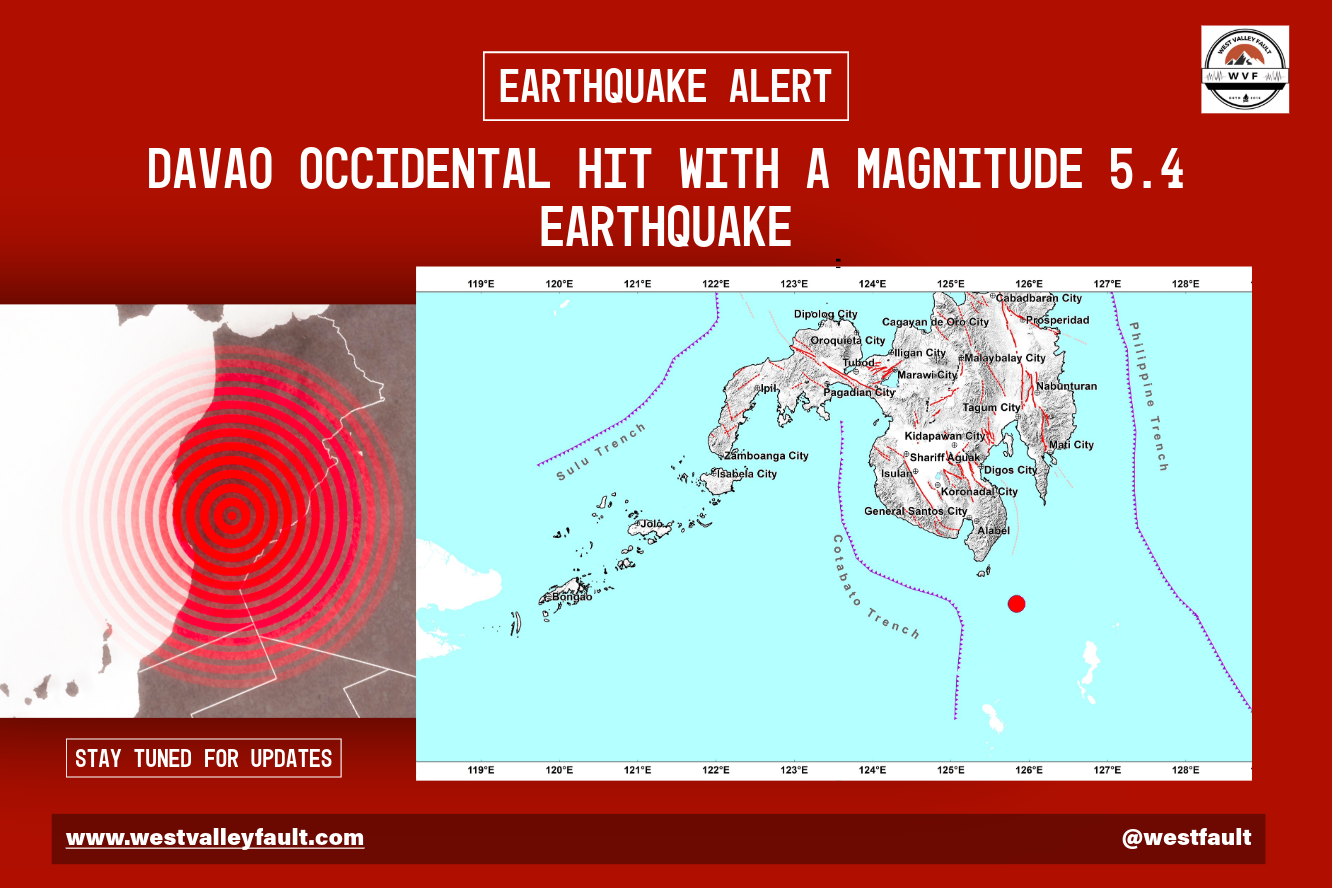
| 03 July 2026 | 10:31 AM | 01.92 | 127.30 | — | 6.3 | 439 km S 28° E of Balut Island, Municipality of Sarangani, Davao Occidental |
Most Significant Monitoring Event
The offshore Pangasinan earthquake swarm was the most notable seismic monitoring development of the week.
Source: Daily Tribune / PHIVOLCS
Overall Assessment
No new nationally destructive earthquake dominated the reporting period, but the Pangasinan swarm and Sarangani earthquake both reinforced the importance of continued monitoring and public preparedness.
Source: PHIVOLCS-related media reports
Community Preparedness
Community preparedness remained a major focus this week.
Families were urged to create emergency plans, discuss reunification procedures, prepare supplies, and understand what to do during the first 24 to 72 hours after a major earthquake.
In Cagayan de Oro, disaster officials encouraged residents to join local drills and preparedness programs, emphasizing that community cooperation can help save lives during earthquakes and other emergencies.
Sources: Philippine Information Agency, Mindanao Gold Star Daily
Media organizations were recognized as partners in disaster preparedness through DOST’s initiative to improve hazard and disaster reporting, reinforcing the role of accurate information in helping communities prepare for and respond to emergencies.
Source: PIA – DOST Strengthens Media Capacity for Hazard, Disaster Reporting
This Week in Numbers
287
Earthquakes recorded in the offshore Pangasinan swarm as of June 26.
24–72 hours
Critical self-help period emphasized for families after a catastrophic earthquake.
1
National Disaster Resilience Month kickoff focused on family readiness.
1
National Nature-Based Solutions policy launched.
1
Major renewed call to modernize the National Building Code.
1
National initiative to strengthen media capacity for hazard and disaster reporting.
2
Magnitude 5.0 and above earthquakes occurred within the week.
Preparedness Spotlight
Accurate Information Saves Lives
Emergency supplies and evacuation plans are essential, but preparedness also depends on receiving accurate information at the right time. During disasters, misinformation can spread quickly and lead to unnecessary panic or dangerous decisions.
This week’s DOST initiative to strengthen hazard and disaster reporting highlights the important role of journalists and communicators in translating scientific information into clear, understandable guidance for the public. When official advisories are reported accurately and responsibly, communities are better equipped to respond effectively.
Source: PIA – DOST Strengthens Media Capacity for Hazard, Disaster Reporting
The Bigger Picture
This week’s developments show that earthquake preparedness is becoming more integrated across different sectors.
It is no longer limited to drills or public reminders. It now includes building code reform, digital connectivity, climate-resilient workplaces, nature-based policies, household readiness, and scientific monitoring.
That broader approach matters because earthquakes do not affect only one system. A major earthquake can disrupt homes, schools, offices, roads, hospitals, communications, government services, and supply chains at the same time.
The more prepared each part of society becomes, the stronger the country’s overall resilience will be.
Looking Ahead
Stories to monitor in the coming week:
- Continued PHIVOLCS monitoring of the offshore Pangasinan earthquake swarm
- Additional National Disaster Resilience Month activities
- Progress on proposed National Building Code reforms
- More earthquake preparedness initiatives from LGUs and national agencies
30-Second Takeaway
• PHIVOLCS monitored a 287-event offshore Pangasinan earthquake swarm.
• National Disaster Resilience Month opened with a strong focus on family readiness.
• Preparedness now includes homes, communities, buildings, communications, workplaces, and ecosystems.
• The strongest message this week: resilience must be built before the next major earthquake.
Preparation always starts in the family.

Take the next step in your preparedness journey.
Download the FREE West Valley Fault™ Quick Start Guide and begin building your family’s emergency plan today.
Recommended Further Reading
- How the Proximity to the West Valley Fault Affects Property Values in 2026
- Earthquake Preparedness for Businesses and Industries
- Ideas to Secure Your House Against Earthquakes: Simple Steps for Safety in the Philippines
- Preparing for the Big One: Essential Earthquake Survival Kit for Filipinos
References
Featured Story Sources
- PIA – NDRM kickoff shifts focus to family readiness for major earthquakes
- Mindanao Gold Star Daily – Disaster readiness starts with the community
- Journal News – Villafuertes call on senators to OK House-passed new building code
- The Business Manual – Climate Resilience in Philippine Office Design
- BusinessWorld – DENR launches first national Nature-Based Solutions policy
Earthquake Monitoring Sources
- Daily Tribune – PHIVOLCS records 287-quake swarm off Pangasinan
- Tempo – Nearly 300 quakes recorded off Pangasinan
- DZRH – Magnitude 5.3 quake hits General Luna, Surigao del Norte
- PHIVOLCS
Infrastructure & Policy Sources
- PIA – National Fiber Backbone expansion to boost connectivity, digital services in Mindanao
- DENR
- UNDP Philippines
Official Preparedness Agencies
Risk Communication











Leave a Reply