
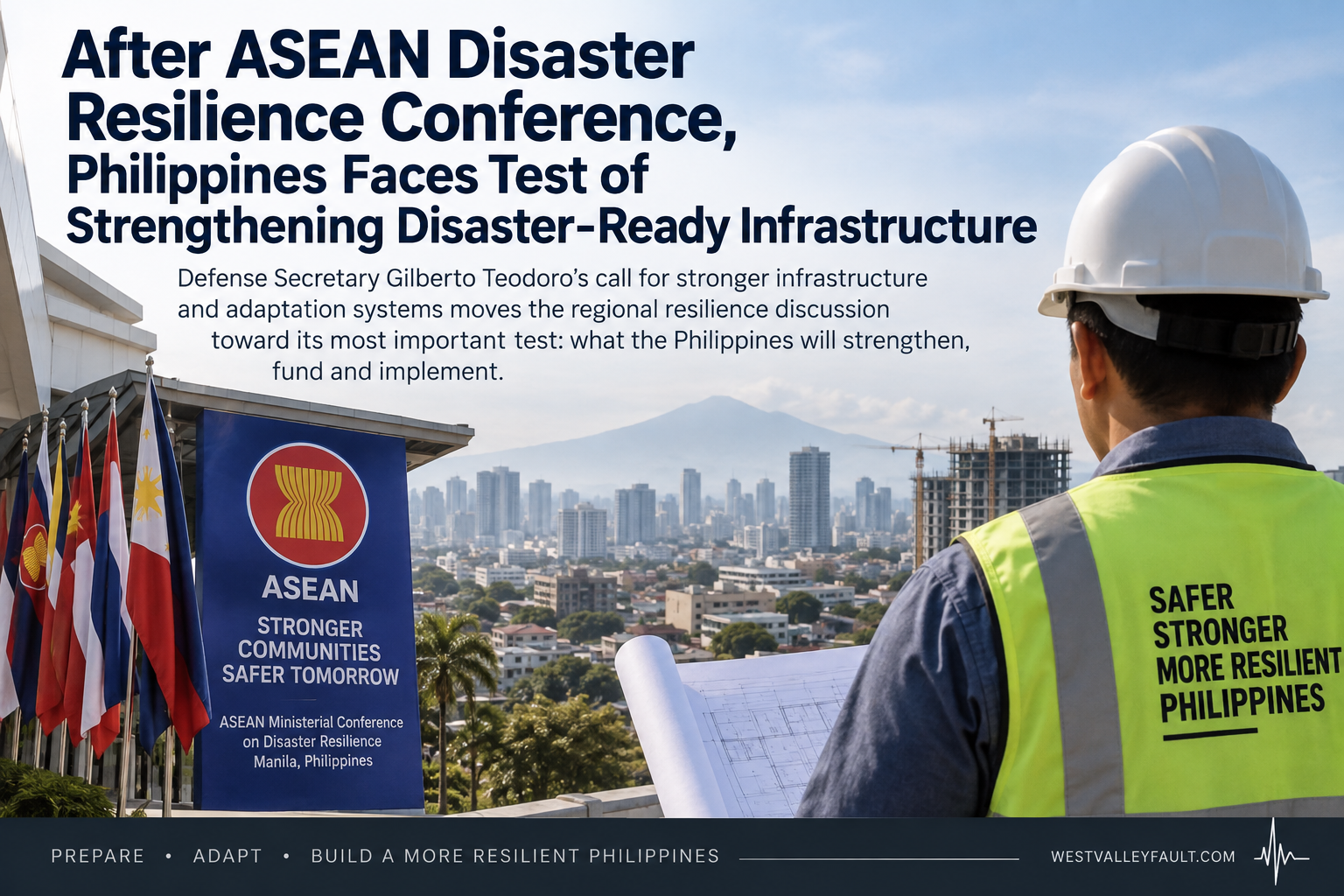
Defense Secretary Gilberto Teodoro’s call for stronger infrastructure and adaptation systems moves the regional resilience discussion toward its most important test: what the Philippines will strengthen, fund and implement.
The Philippines must reinforce its infrastructure and adaptation systems to reduce the effects of increasingly severe disasters, Defense Secretary Gilberto Teodoro said following the ASEAN Ministerial Conference on Disaster Resilience in Manila.
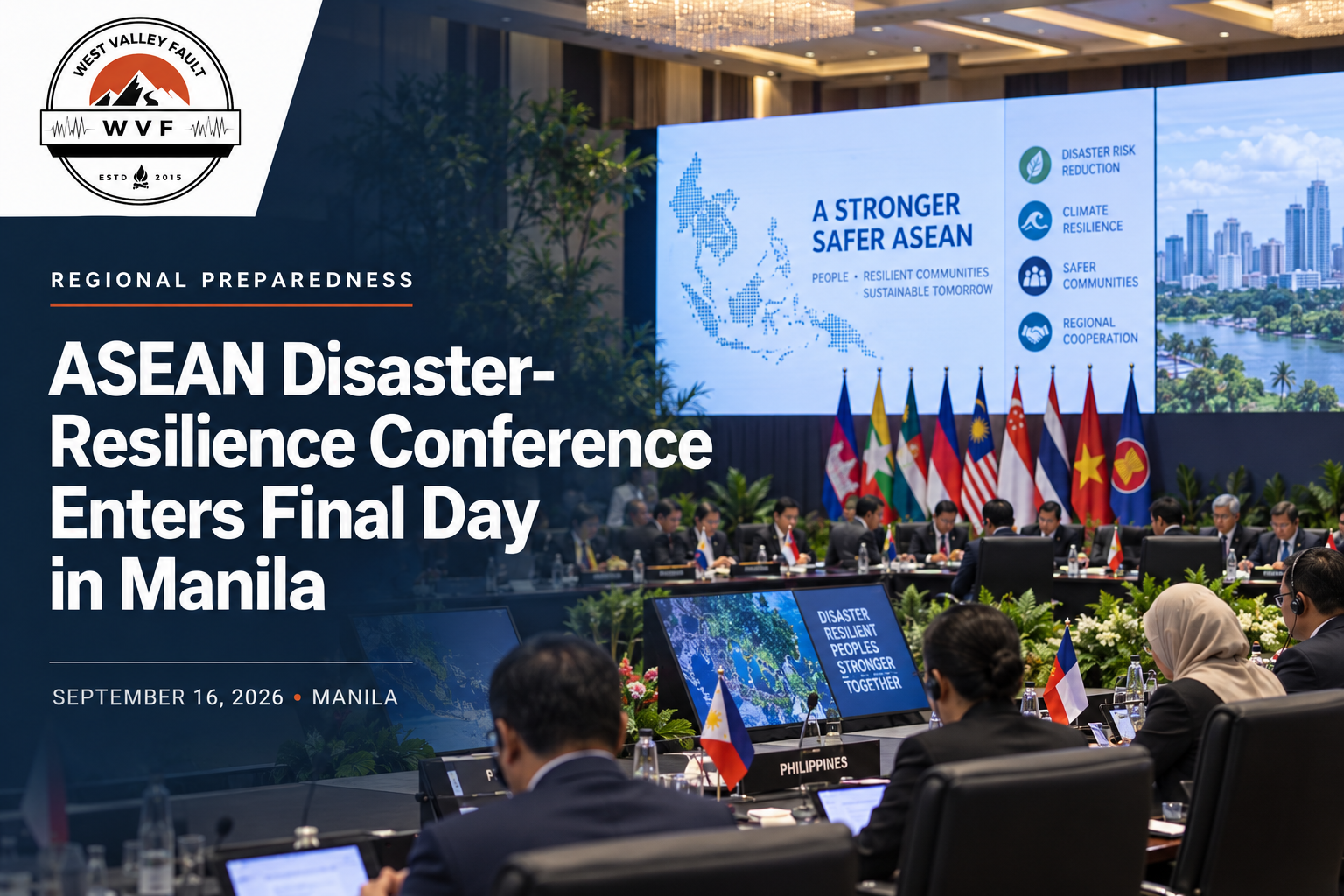
Teodoro made the statement as the two-day conference concluded on September 16, 2026. Speaking at a press briefing on the conference’s final day, he said the country needs to invest in infrastructure, mechanisms and adaptation systems as disasters become more unpredictable and potentially more damaging.
His remarks shift attention from regional declarations and conference discussions toward the practical work required inside the country.
The ministerial meeting brought together disaster-management officials and partners from across Southeast Asia to discuss risk knowledge, early-warning systems, anticipatory action, emergency response, recovery, disaster financing and community resilience.
ASEAN members also formally adopted the Manila Declaration on Advancing ASEAN’s Disaster Resilience Agenda Towards 2030 and Beyond, committing the region to stronger prevention, preparedness and anticipatory action.
For the Philippines, however, the real measure of progress will be implementation.
From commitments to stronger systems
Infrastructure resilience extends beyond constructing new buildings. It includes assessing and strengthening existing schools, hospitals and government facilities; protecting communications and essential services; enforcing and improving building resilience; and ensuring that critical facilities remain usable following a major disaster.
The need is especially relevant to earthquake preparedness.
Teodoro’s remarks addressed disasters broadly and did not announce a new earthquake-specific infrastructure program. But strengthening public buildings and essential services is already part of the country’s effort to reduce seismic risk.
A related government initiative is underway through the Philippines Seismic Risk Reduction and Resilience Project.
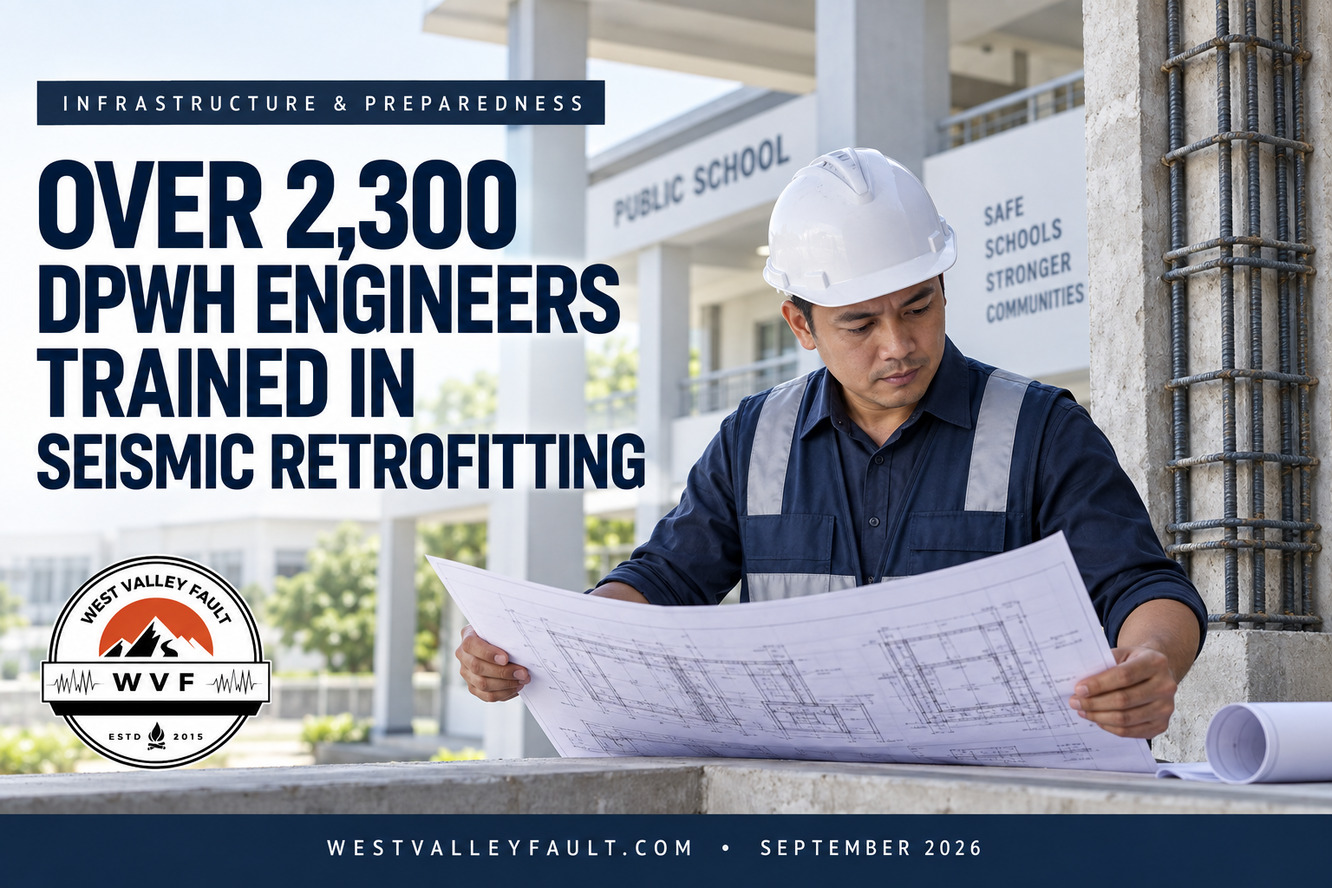
On August 14, 2026, 2,312 Department of Public Works and Highways engineers from central, regional and district offices participated in a nationwide seminar on seismic retrofitting of public buildings.
Under the World Bank-supported project, detailed design and construction supervision are being undertaken for the seismic retrofitting of 172 public schools and health facilities through 2028.
The training covered building vulnerability, hazard assessment, retrofitting techniques, construction quality, procurement, supervision and post-construction monitoring.
Together, these developments illustrate what disaster resilience can look like when broad policy commitments move into engineering, institutional capacity and actual infrastructure work.
The next test is implementation
The ASEAN conference established a regional direction. The harder questions now concern execution.
Which vulnerable facilities will be assessed first? Which buildings will be strengthened? How much funding will be committed? How quickly can projects move from assessment to construction? Which national agencies and local governments will be accountable for implementation? And will progress be measured publicly?
For communities exposed to earthquakes and other hazards, these questions matter more than declarations alone.
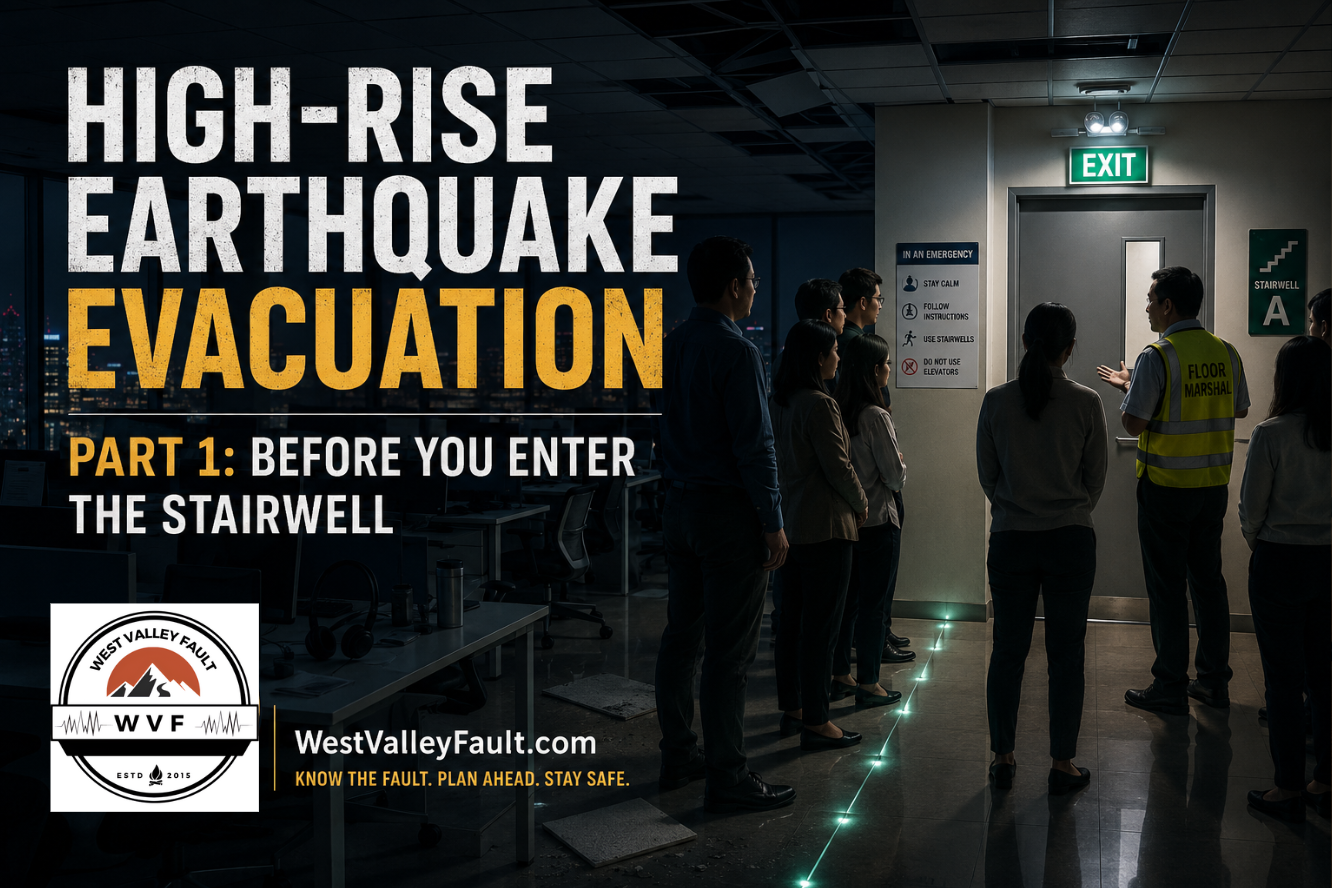
Preparedness is often associated with drills, emergency supplies and knowing what to do when a hazard occurs. Those remain essential. But resilience also depends on whether schools, hospitals, government buildings, communications systems and other critical infrastructure are capable of continuing to function when they are needed most. Local measures such as evacuation planning for government buildings and critical facilities show how infrastructure readiness and operational preparedness have to work together.
The Philippines already has seismic-retrofitting work underway. Teodoro’s call now places that work within a broader national challenge: building infrastructure and adaptation systems capable of handling increasingly complex disasters.
The Manila Declaration sets the direction.
What happens next—through budgets, engineering assessments, retrofitting projects, stronger standards and measurable implementation—will determine how much of that commitment reaches communities on the ground.
Stay Prepared with WVF
Join the WestValleyFault.com email list for the Weekly Earthquake Intelligence Report, Special Reports and practical preparedness guidance. As a welcome gift, you’ll receive the FREE Earthquake Quick Start Guide.

Free PDF. No spam. Unsubscribe anytime.
Recommended Further Reading
- ASEAN Disaster-Resilience Conference Enters Final Day in Manila
- More Than 2,300 DPWH Engineers Trained in Seismic Retrofitting of Public Buildings
- Quezon City Requires Evacuation Plans for Government Buildings in 24 Earthquake-Hotspot Barangays
- The Big One Is Not the Biggest Threat—Our Buildings Are












Leave a Reply