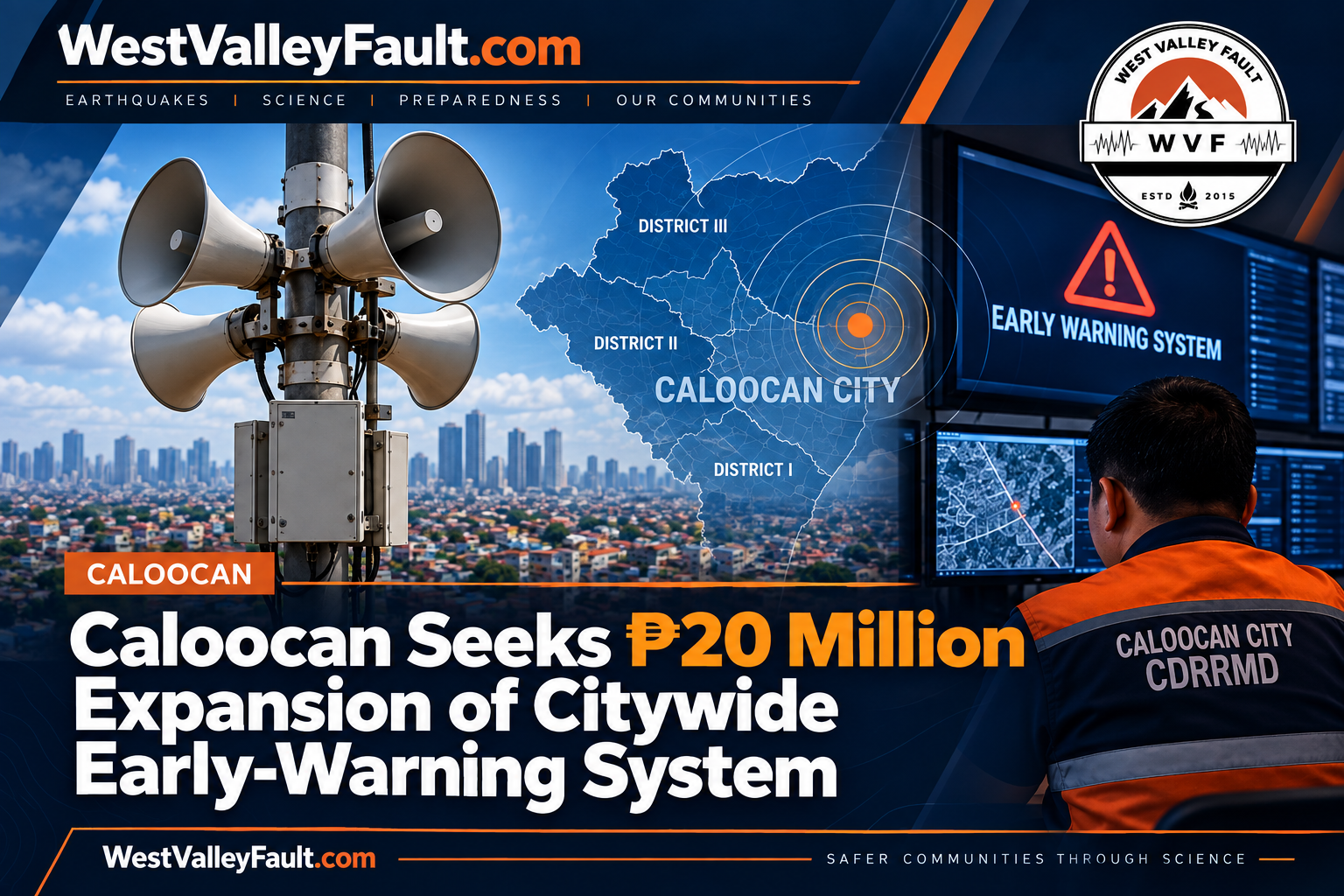
CALOOCAN CITY — The Caloocan City Government is seeking bids for a ₱20-million expansion of its early-warning system, with the procurement covering Districts I, II and III and including training for personnel of the City Disaster Risk Reduction and Management Department.
The project is listed by the city’s Bids and Awards Committee as the “upgrade, installation, commissioning, supply, delivery and training for the use of additional early warning system for District I, II and III” for the CDRRMD.
The approved budget for the contract is ₱20 million. A pre-bid conference was held on September 16, 2026, while the deadline for submission of bids was set for September 30 at 10:00 a.m.
Project covers all three Caloocan districts
The procurement is city-scale in coverage, extending the additional system across Districts I, II and III rather than limiting the project to a single locality or facility.
The listed scope includes not only supply and delivery, but also installation, commissioning and user training. That indicates the procurement is intended to place additional warning capability into operation and prepare CDRRMD personnel to use it.
The city’s public procurement register reviewed by WVF did not identify a corresponding award or winning bidder for the project at the time of this report. The September 30 deadline should therefore be treated as a bidding milestone, not as confirmation that a contract has already been awarded.

Why it matters for earthquake preparedness
The project stands out because it is a funded expansion of an operational warning system, rather than a general preparedness announcement. Coverage across all three districts, combined with commissioning and staff training, could strengthen the city’s capacity to issue warnings and manage emergency information during earthquakes, severe weather and other hazards.
For earthquake preparedness specifically, warning and emergency-communications systems are part of the wider response chain used to disseminate instructions, support evacuation and coordinate city operations after damaging shaking or related hazards.
Technical capabilities remain unclear
The public procurement register does not disclose the system’s technical specifications, sensor types, alert channels, proposed installation sites or the specific hazards it is designed to support.
Without those bidding details, the project is best described as a multi-hazard early-warning system expansion. The available procurement record does not establish that the additional system includes earthquake-specific sensors, automated seismic alerts or any particular warning technology.
WVF has also tracked other Philippine investments in warning and emergency-information systems, including early-warning and monitoring-system training for DRRM officers in Lanao del Sur and the national HANDA platform for disaster preparedness and real-time warnings.
Stay Informed. Stay Prepared.
Get continuing earthquake intelligence, preparedness updates, Special Reports, and the WestValleyFault.com Weekly Earthquake & Preparedness Intelligence Report delivered to your inbox.
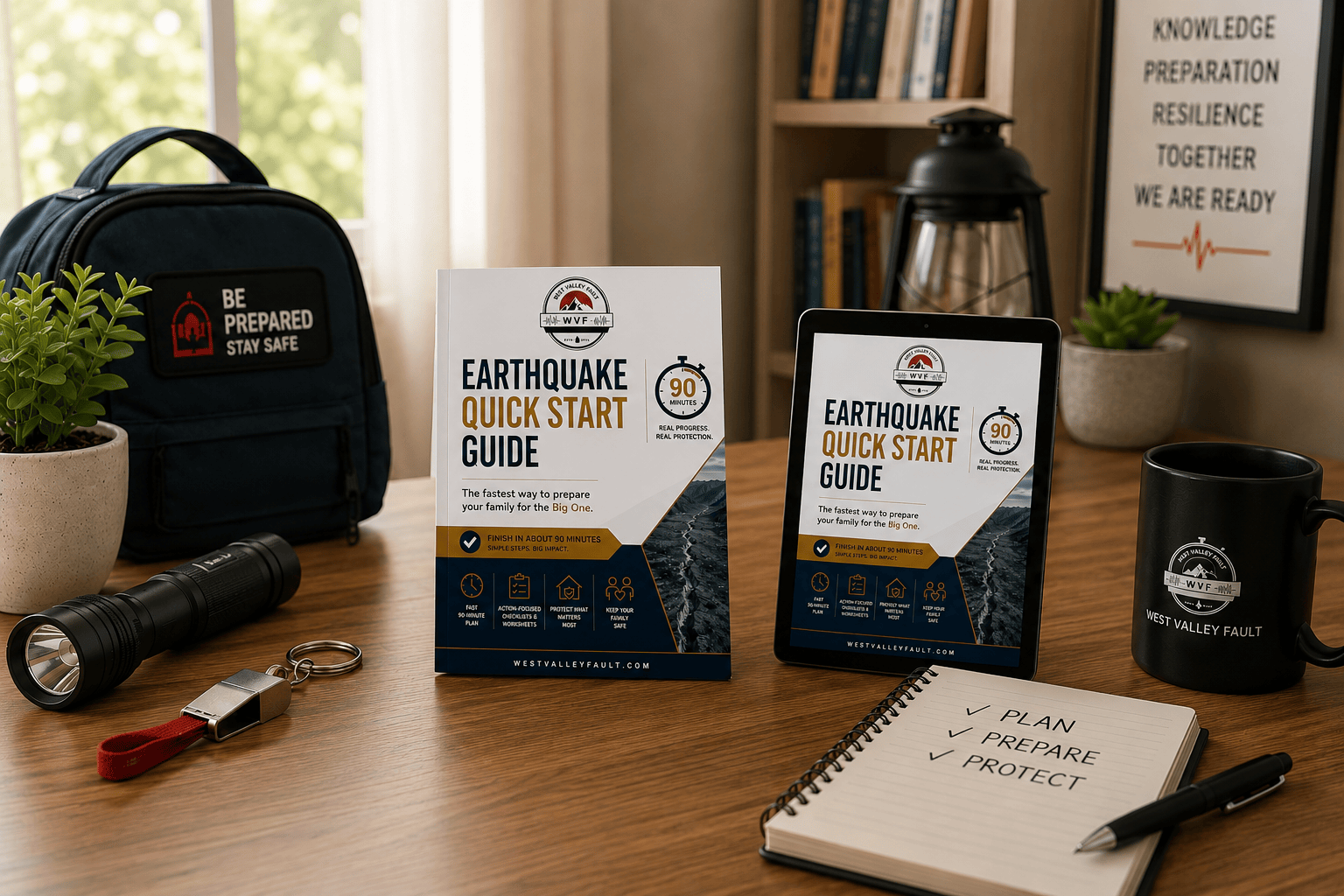
As a welcome gift, you’ll also receive the FREE WVF Earthquake Preparedness Quick Start Guide with practical first steps every household can take before a major earthquake.
Enter your email below to join the WVF email list. Unsubscribe anytime.
Recommended Further Reading
- Lanao Sur DRRM Officers Train on Early Warning, Monitoring Systems
- Philippines Launches “HANDA” Platform to Strengthen Disaster Preparedness and Real-Time Warnings
- Special Report: Cities Most at Risk If the Big One Strikes the Philippines




Leave a Reply