
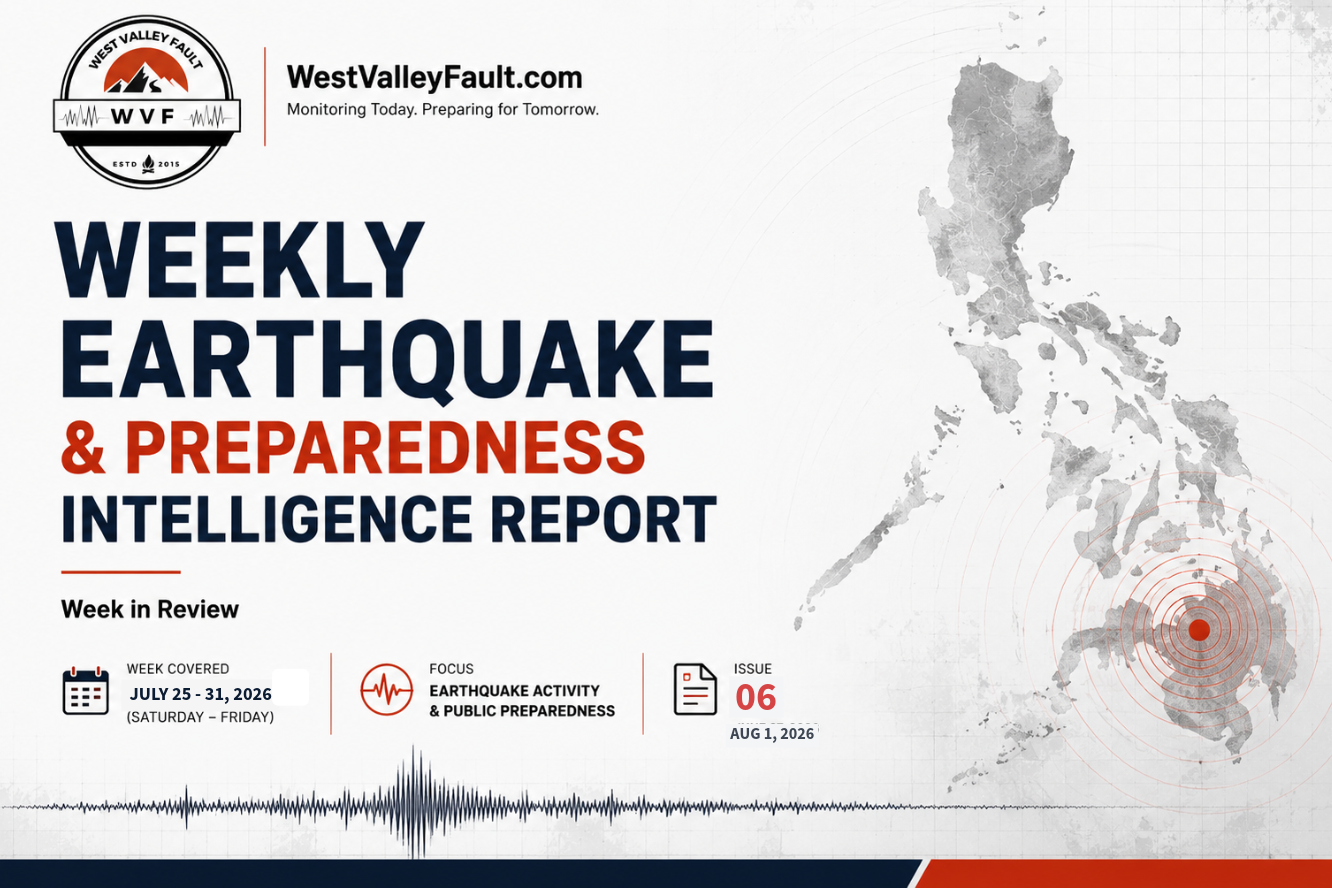
Week of July 25 – 31, 2026
Focus: Earthquake Activity & Public Preparedness
Issue #006
Executive Summary
This week’s developments showed Philippine earthquake and disaster resilience moving from advocacy toward implementation. Updated technical standards, proposed legislation, national recovery commitments and emerging sources of scientific information all point toward a broader recognition that resilience must be incorporated into how the country constructs buildings, rebuilds communities and prepares institutions.
The central challenge is no longer simply identifying what should change. Standards must be enforced, legislation must advance beyond policy declarations, scientific information must reach decision-makers, and preparedness procedures must be practised where people study and work.
Progress therefore depends on what happens after public commitments are made. Regulations, funding, technical capacity and local participation must work together if national resilience goals are to produce measurable improvements before the next destructive disaster.
Before you read further — do you know your property’s actual risk?

Download the free Home Buyer’s Earthquake Risk Guide to check your specific location against active faults, liquefaction zones, and building safety factors. It takes five minutes and doesn’t require a subscription.
Small disclaimer: This checklist is an educational screening tool—not an official hazard assessment or guarantee of safety.
30-Second Takeaway
- The Philippine Iron and Steel Institute urged DTI to accelerate implementation of updated standards for earthquake-safe reinforcing steel.
- President Ferdinand Marcos Jr. identified the New Philippine Building Act as a priority, shifting attention to the bill’s progress in the Senate.
- The President’s State of the Nation Address included recovery and growth commitments for disaster-affected areas of the Visayas and Mindanao.
- PhilSA highlighted how satellite-derived information can support disaster management and public-sector decision-making.
- Three Laoag schools conducted simultaneous earthquake drills involving students, teachers and government personnel.
- PHIVOLCS listed three earthquakes of magnitude 5.0 or greater, including two offshore events near Quezon and Catanduanes that occurred 59 minutes apart.

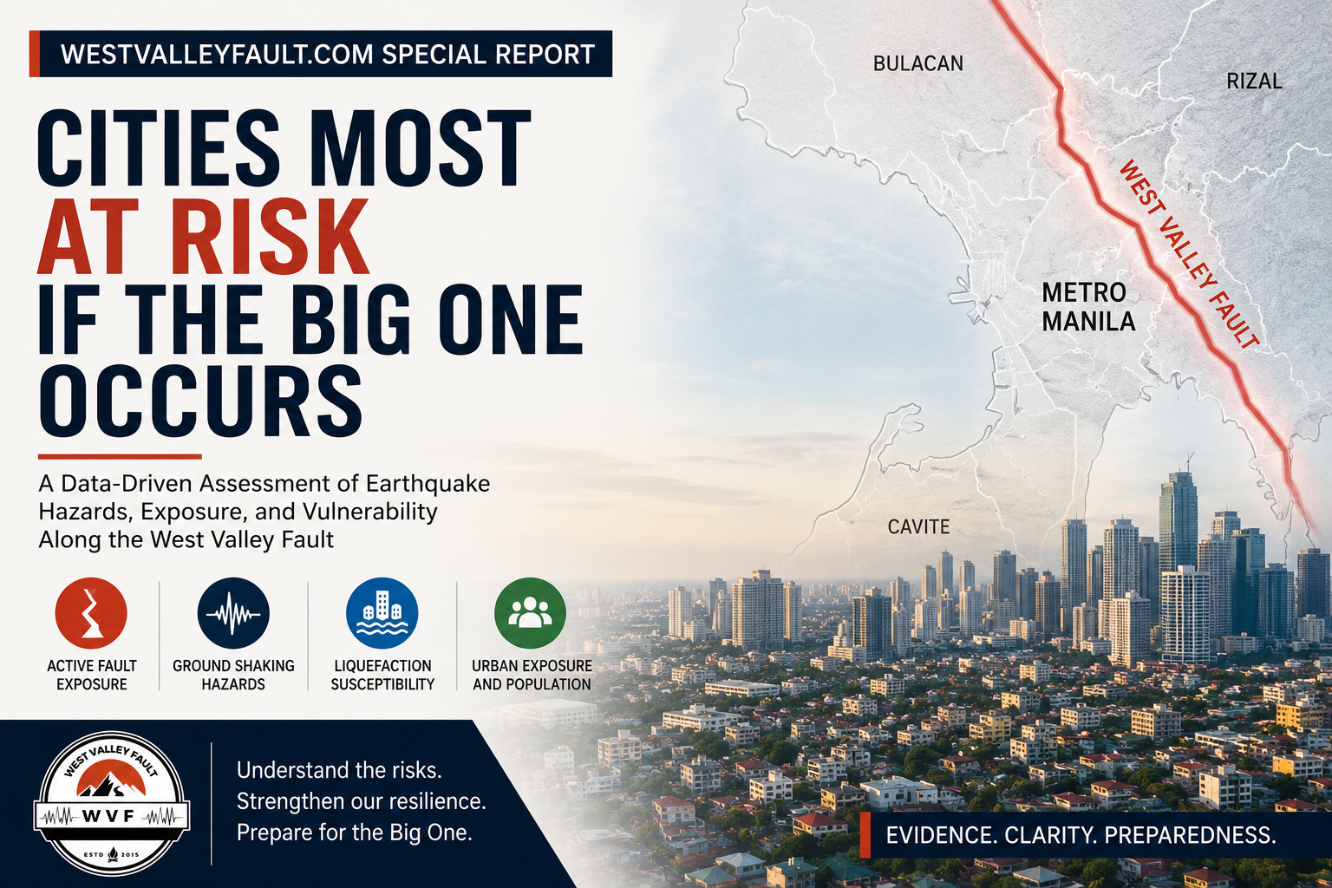
Which cities could face the greatest consequences if the West Valley Fault generates a major earthquake? This Special Report examines the communities exposed to severe ground shaking, surface rupture, liquefaction and other earthquake hazards.
Top Developments
PISI Urges Faster Implementation of Earthquake-Safe Steel Standards

The Philippine Iron and Steel Institute urged the Department of Trade and Industry to shorten the proposed transition to the mandatory implementation of updated standards for deformed steel bars.
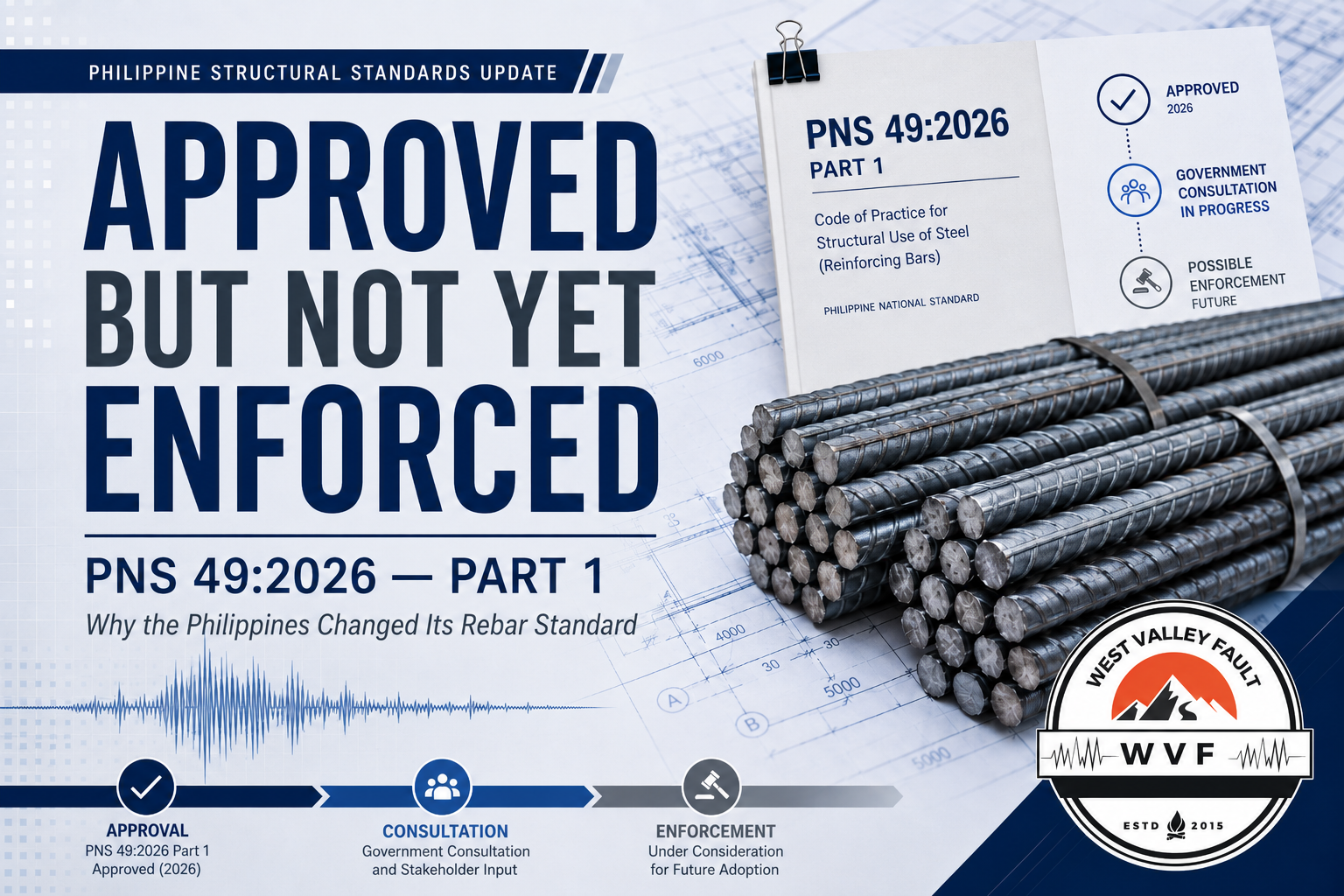
The debate concerns the implementation of Philippine National Standard 49:2026, which updates requirements for steel reinforcing bars used in construction. Under the updated standard, Grade 33 reinforcing bars—the lowest grade identified in the submitted reports—and regular steel bars would no longer be permitted for structural applications.
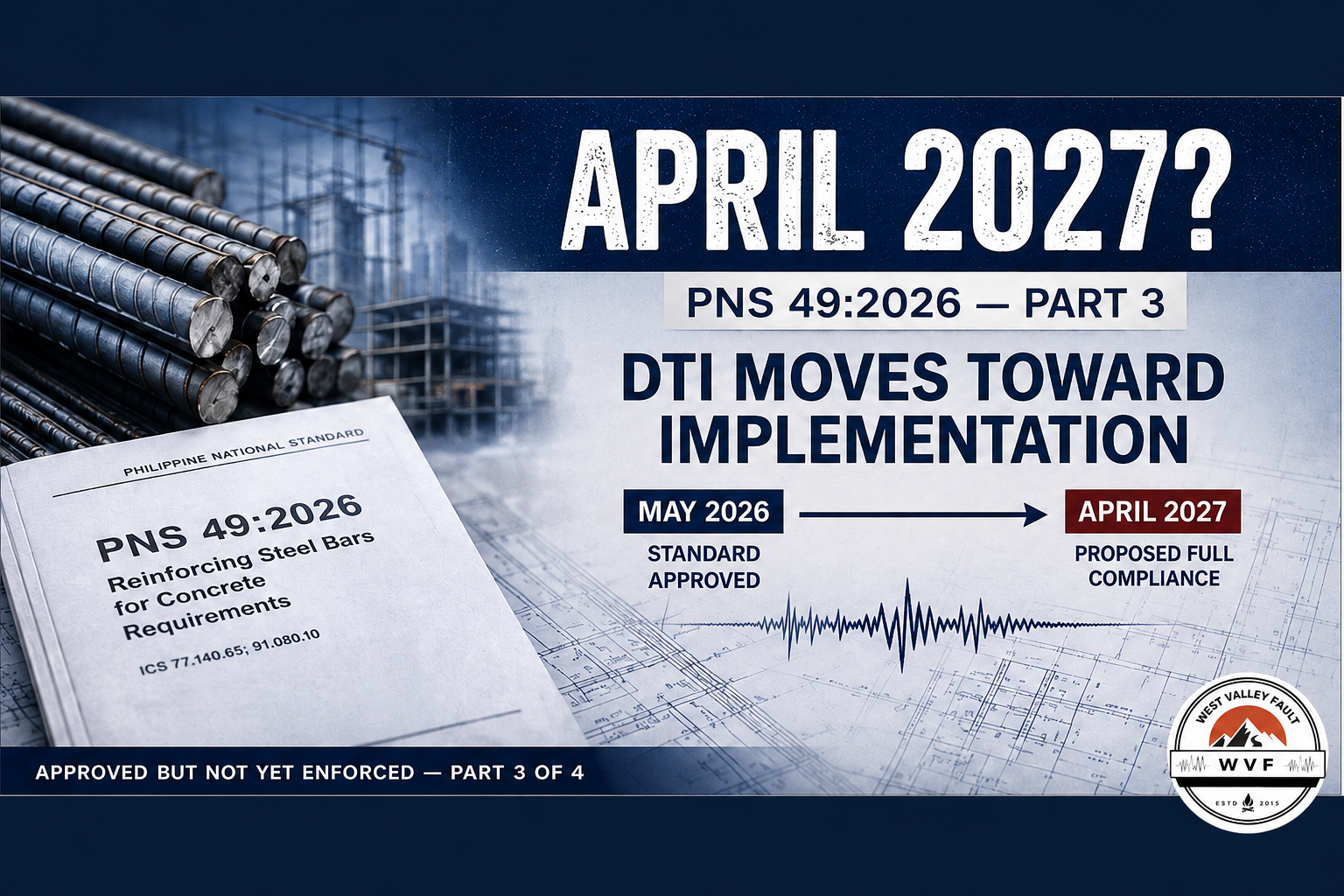
The DTI draft reportedly contemplated a public-comment period followed by a nine-month transition, with mandatory implementation beginning on 30 April 2027. PISI opposed that timetable and recommended immediate implementation or a transition lasting no more than three months.
PISI argued that allowing the longer transition would permit non-seismic-grade reinforcing steel to remain available for structural use. The industry organization also claimed that domestic production capacity is sufficient to supply the market, estimating annual production capacity at eight million metric tons against demand of approximately four million metric tons.
These figures and technical claims represent PISI’s position in the implementation debate and should not be interpreted as an independent WestValleyFault.com assessment of the steel industry.
Preparedness Implications
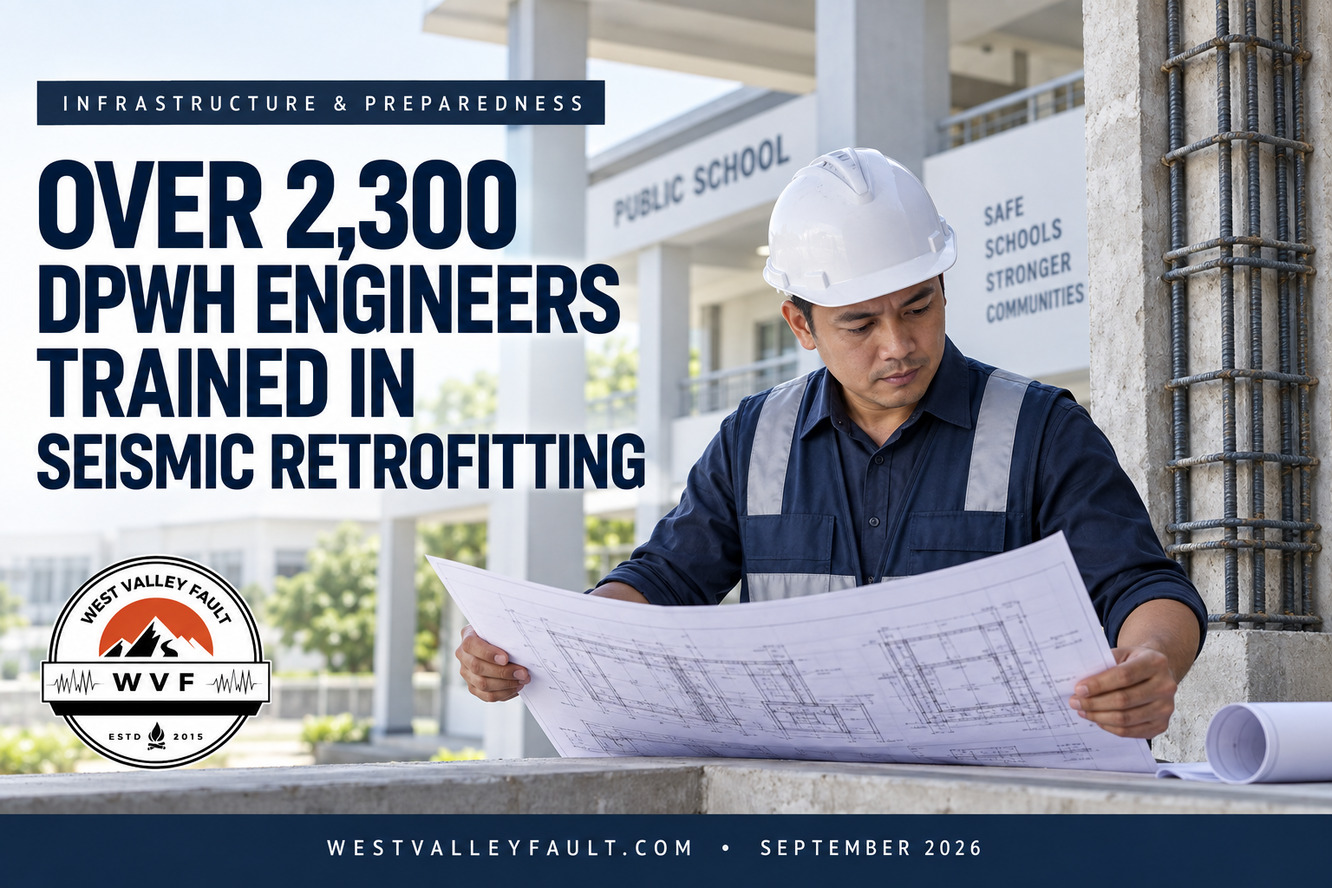
An earthquake-resistant design depends on the materials used during construction meeting the specifications assumed by structural engineers. Updated standards can improve safety only when compliant materials are consistently manufactured, identified, procured and installed.
The transition timetable must therefore balance implementation readiness with the public-safety purpose of the standard. Regardless of the final deadline, enforcement will require product testing, traceability, market monitoring and coordination among regulators, manufacturers, developers, engineers and local building officials.
Sources: Manila Bulletin, Malaya Business Insight and The Philippine Star
New Philippine Building Act Becomes a Presidential Priority

President Marcos identified the proposed New Philippine Building Act as one of his priority measures during his fifth State of the Nation Address.
Surigao del Sur First District Rep. Romeo Momo welcomed the announcement and called for action by the Senate. The House of Representatives approved House Bill 6615 on third reading on 16 December 2025 and transmitted it to the Senate the following day.
The proposed legislation would update the country’s framework for building design, construction, inspection and maintenance. Provisions highlighted in the submitted report include mandatory structural reviews every 15 years and the standardization of requirements involving building design, location, materials and safety measures.
Section 62 of the proposed measure reportedly defines prohibited acts that include:
- Unauthorized deviations from approved plans
- Construction beyond permitted specifications
- Noncompliance with structural and safety standards
- Violations of permits and regulatory requirements
The announcement represents a substantive development from the previous week, when legislators were still urging the President to include the measure in his SONA.
Preparedness Implications
Presidential prioritization can give the measure greater legislative momentum, but it does not complete the lawmaking process. The bill must still advance through the Senate and the remaining stages required before enactment.
Even after passage, the law’s effectiveness would depend on its implementing regulations, the availability of qualified inspectors, reliable building records and the enforcement capabilities of local building offices.
Periodic structural reviews could help identify deterioration, unauthorized alterations, previous damage and other conditions that may affect older buildings. However, the reviews must be technically credible and consistently applied to provide meaningful protection.
Source: Journal News Online
SONA Promises Recovery and Growth for Disaster-Affected Visayas and Mindanao
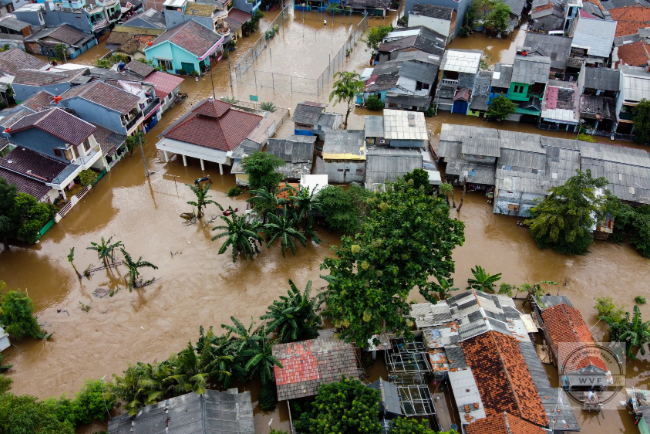
President Marcos used his State of the Nation Address to present recovery and growth commitments for communities in the Visayas and Mindanao affected by recent disasters.
The commitments place disaster recovery within a broader regional-development agenda. Communities recovering from destructive events require more than the restoration of damaged roads, buildings, utilities and public services. Reconstruction also creates an opportunity to address vulnerabilities that contributed to previous losses.
A recovery program can restore economic activity while improving the ability of communities to withstand future hazards. This may involve applying stronger construction standards, using updated hazard information, protecting essential services and considering how infrastructure systems perform when multiple communities are affected simultaneously.
Preparedness Implications
Rebuilding damaged infrastructure to its previous condition may reproduce the same vulnerabilities that existed before the disaster. Recovery investments provide greater long-term value when they reduce future risk rather than simply replace what was lost.
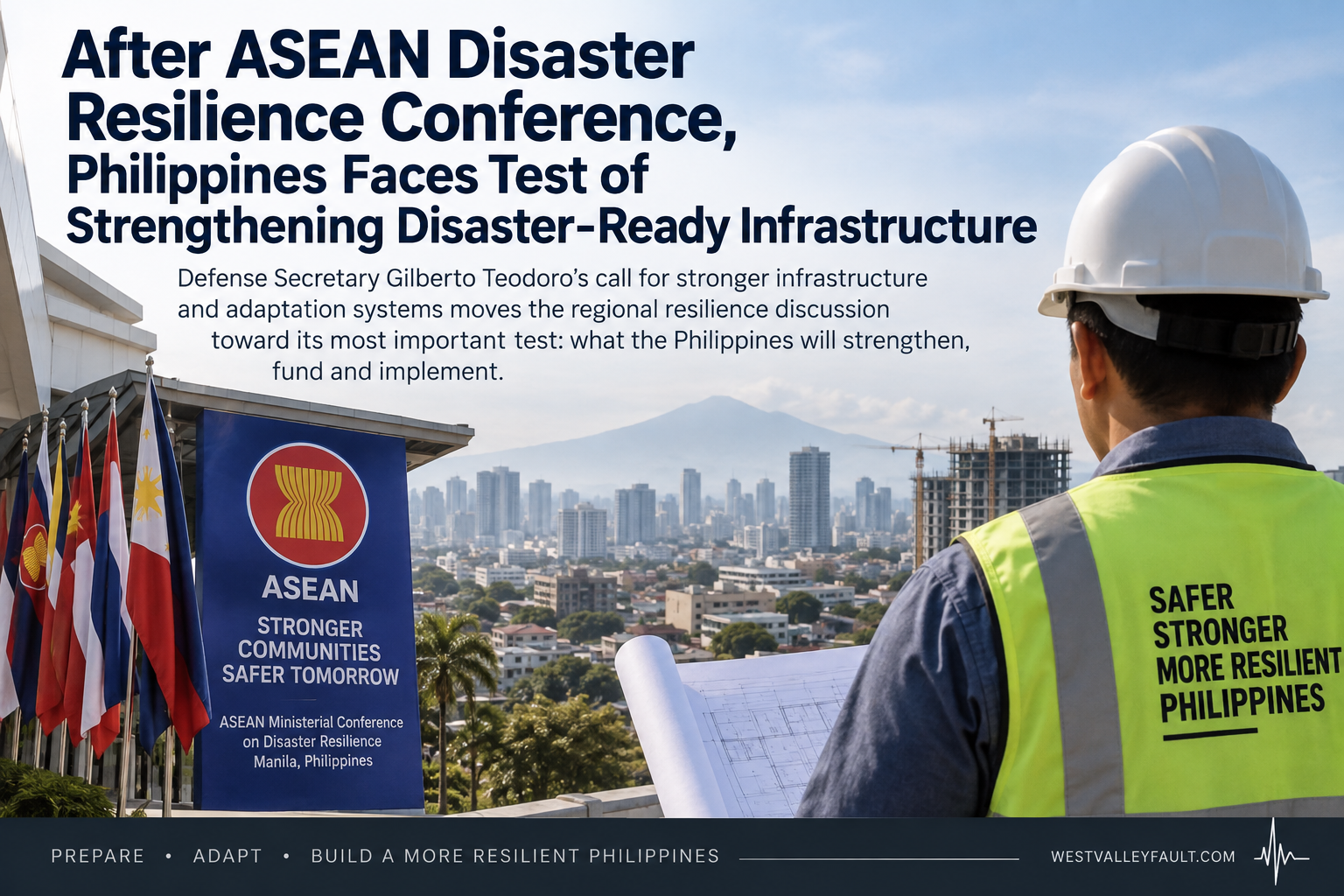
The practical impact of the SONA commitments will depend on subsequent budgets, implementation plans, project standards, timelines and coordination with affected local governments.
Source: Rappler

This special report examines why building performance, code enforcement, structural assessments, and engineering decisions—not earthquake magnitude alone—will determine the true impact of the next major earthquake.
Government Preparedness
National
• New Philippine Building Act Identified as a Priority
Refer to Top Developments above.
The President’s endorsement advances the proposed building law from legislative advocacy to an identified administration priority. Attention now shifts to Senate consideration and the specific actions required to move the measure through the remaining legislative process.
Source: Journal News Online
Check whether your home may have visible structural-safety concerns, Is Your Home Fault-Line Ready? A Structural Integrity Checklist for Metro Manila Homeowners.
• Recovery Commitments for the Visayas and Mindanao
Refer to Top Developments above.
The national government’s recovery commitments will be significant only when translated into funded programs and projects. Reconstruction decisions should incorporate current hazard information and resilience standards so that recovery does not recreate pre-disaster vulnerabilities.
Source: Rappler
• PhilSA Highlights Satellite-Derived Data for Disaster Management
The Philippine Space Agency highlighted the value of satellite-derived information for disaster management and governance.
Satellites can observe wide geographic areas and provide information that may be difficult to collect quickly from the ground, particularly when access routes, communications or infrastructure are disrupted.
Depending on the available sensors and datasets, satellite-derived information can support:
- Hazard and exposure mapping
- Monitoring of affected areas
- Preliminary damage assessment
- Identification of changes across large areas
- Emergency planning and resource coordination
- Evidence-based public decision-making
The usefulness of this information depends on its resolution, timing, accessibility and interpretation. Government agencies must also have trained personnel and established procedures for incorporating satellite information into operational decisions.
Satellite observations complement rather than replace field inspections. Conditions identified remotely may still require validation by local authorities and technical teams on the ground.
Source: OneNews
Research & Monitoring
• Satellite-Derived Information Expands Disaster-Management Capabilities
The growing availability of satellite-derived information expands the range of evidence that agencies can use before and after disasters.
Ground-based monitoring provides essential local detail, while satellites can supply broader geographic context. When these sources are combined, disaster managers may be better positioned to identify affected areas, compare conditions and prioritize locations requiring further assessment.
Satellite information is not a single uniform product. Different satellites carry different instruments, produce different resolutions and pass over locations at different times. Cloud cover, processing time and data availability can also affect how quickly information becomes useful.
The value of the technology therefore lies not only in launching or accessing satellites but also in building the systems and expertise required to transform raw observations into information that emergency managers and policymakers can use.
Source: OneNews
Infrastructure & Policy
• DTI Considers Transition to PNS 49:2026
(Refer to Top Developments above.)
The implementation debate centers on how quickly the construction industry should transition to updated requirements for reinforcing steel.
The submitted reports describe two competing timelines:
- A reported DTI draft allowing a nine-month transition until 30 April 2027
- PISI’s recommendation for immediate implementation or a transition of no more than three months
PISI maintains that the local industry already has sufficient capacity to meet demand. That assertion remains an industry claim and should be evaluated by the responsible government authorities during the consultation and rulemaking process.
The outcome will affect manufacturers, distributors, contractors, developers and regulators. Clear rules will also be necessary for inventories produced or purchased before the implementation deadline.
Sources: Manila Bulletin, Malaya Business Insight and The Philippine Star
• New Philippine Building Act Moves to the Senate Agenda
(Refer to Top Developments above.)
The New Philippine Building Act and PNS 49:2026 address different but connected parts of the building-safety system.
PNS 49:2026 concerns the technical specifications governing reinforcing steel. The proposed building law concerns the broader regulatory system governing design, permitting, construction, inspection, maintenance and accountability.
Neither can operate effectively in isolation. Strong material standards require enforcement at construction sites, while a modern building law requires reliable materials, qualified professionals and capable local regulators.
Source: Journal News Online
Our Special report, The Big One Is Not the Biggest Threat—Our Buildings Are, explores why building vulnerability may be a greater threat than the earthquake itself.
Earthquake Activity This Week
| Date and time | Magnitude | Depth | Location |
|---|---|---|---|
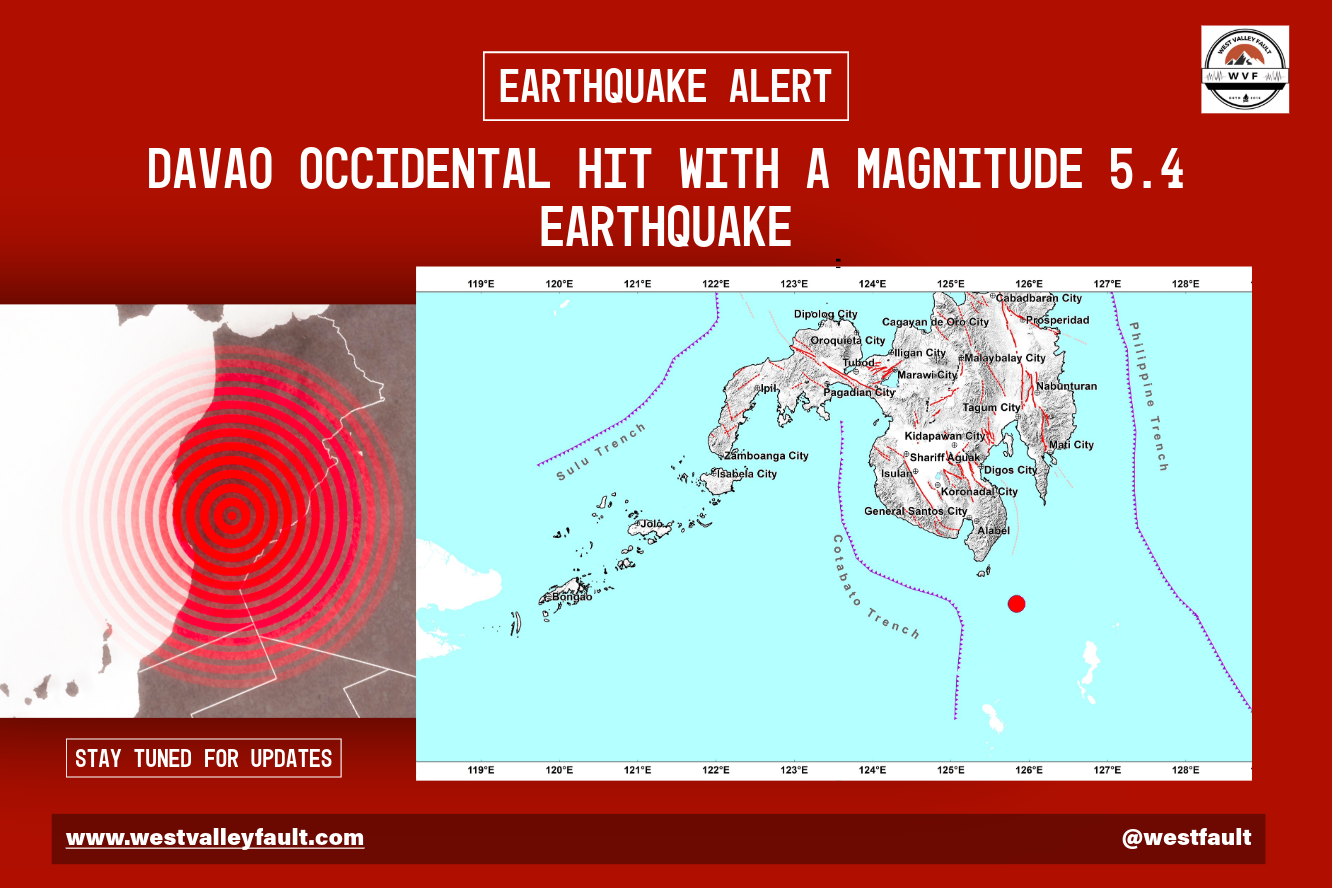
| 28 July 2026, 7:06 a.m. | 5.1 | 30 km | 16 km S 77° E of Baganga, Davao Oriental |
| 29 July 2026, 10:11 p.m. | 5.0 | 33 km | 93 km N 35° E of Jomalig, Quezon |
| 29 July 2026, 11:10 p.m. | 5.3 | 22 km | 61 km S 53° E of Baras, Catanduanes |
Source: PHIVOLCS – Latest Earthquake Information (Earthquake Monitoring System)
Dates and times are in Philippine Standard Time.
Understand what earthquake magnitudes mean in the Philippine context, watch the short explainer here– What Earthquake Magnitudes Mean in the Philippines
Weekly Seismic Note:
The magnitude 5.0 earthquake near Jomalig, Quezon, and the magnitude 5.3 earthquake offshore of Catanduanes occurred 59 minutes apart on 29 July.
Their close timing does not establish that the earthquakes were geologically connected. They occurred at different locations, and one should not be described as causing or triggering the other without an explicit scientific assessment from PHIVOLCS.
The Quezon earthquake was initially reported at magnitude 5.6 before PHIVOLCS revised it to magnitude 5.0. This report uses the final value appearing in the submitted PHIVOLCS earthquake monitor.
The magnitude 5.1 earthquake near Baganga, Davao Oriental, occurred a day earlier at a depth of 30 kilometres.
The table includes only earthquakes of magnitude 5.0 and above. It does not represent all seismic events detected in and around the Philippines during the reporting period.
Sources: PHIVOLCS, Manila Bulletin and Philippine News Agency
Community Preparedness
• Laoag City
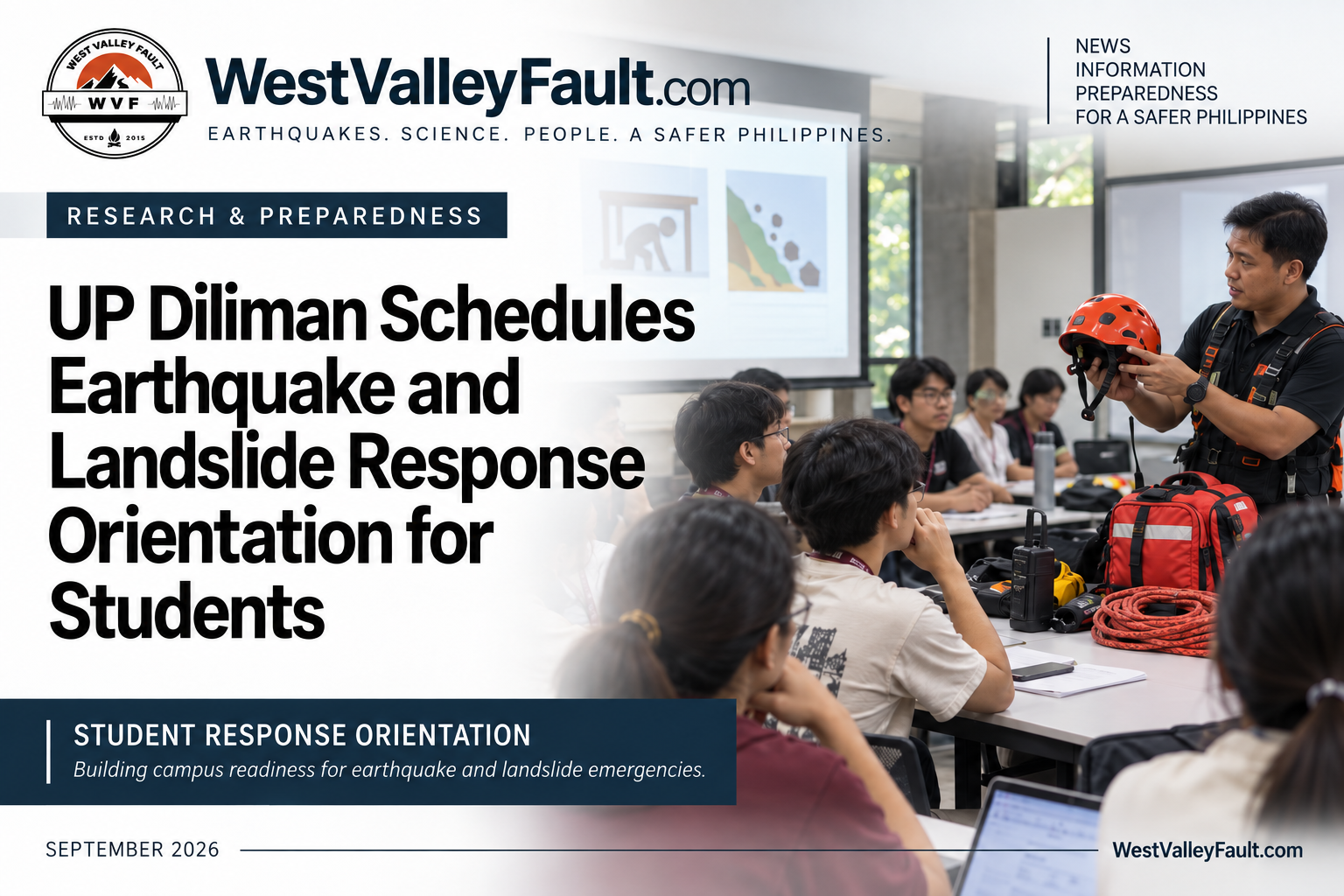
Laoag Conducts Simultaneous Earthquake Drills at Three Schools
Hundreds of students, teachers and government personnel participated in simultaneous earthquake drills at three schools in Laoag City:
- Ilocos Norte National High School
- Ilocos Norte College of Arts and Trades
- Shamrock Elementary School
The drills simulated emergency procedures and allowed participants to practise evacuation and reinforce earthquake-safety measures. Representatives from government agencies and uniformed services also participated in the exercises.
Regular drills help turn written emergency procedures into familiar actions. They can reveal whether evacuation routes are understood, whether participants know where to assemble and whether school personnel can coordinate movement without creating additional hazards.
The value of a drill depends on what happens afterward. Observations should be documented, weaknesses identified and procedures improved before the next exercise.
Source: Daily Tribune
This Week in Numbers
| Indicator | Value |
|---|---|
| Earthquakes of magnitude 5.0 or greater listed by PHIVOLCS during the reporting period. | 3 |
| Strongest earthquake recorded | Magnitude 5.3 |
| The interval between the magnitude 5.0 Quezon earthquake and the magnitude 5.3 Catanduanes earthquake. | 59 minutes |
| The locations of simultaneous earthquake drills in Laoag City. | 3 schools |
| Proposed interval for mandatory structural reviews under the New Philippine Building Act | 15 years |
| The transition period contemplated in the reported DTI draft for PNS 49:2026. | 9 months |
| The maximum transition period recommended by PISI. | 3 months |
| The reported proposed deadline for mandatory implementation of PNS 49:2026. | 30 April 2027 |
Blog Highlight of the Week

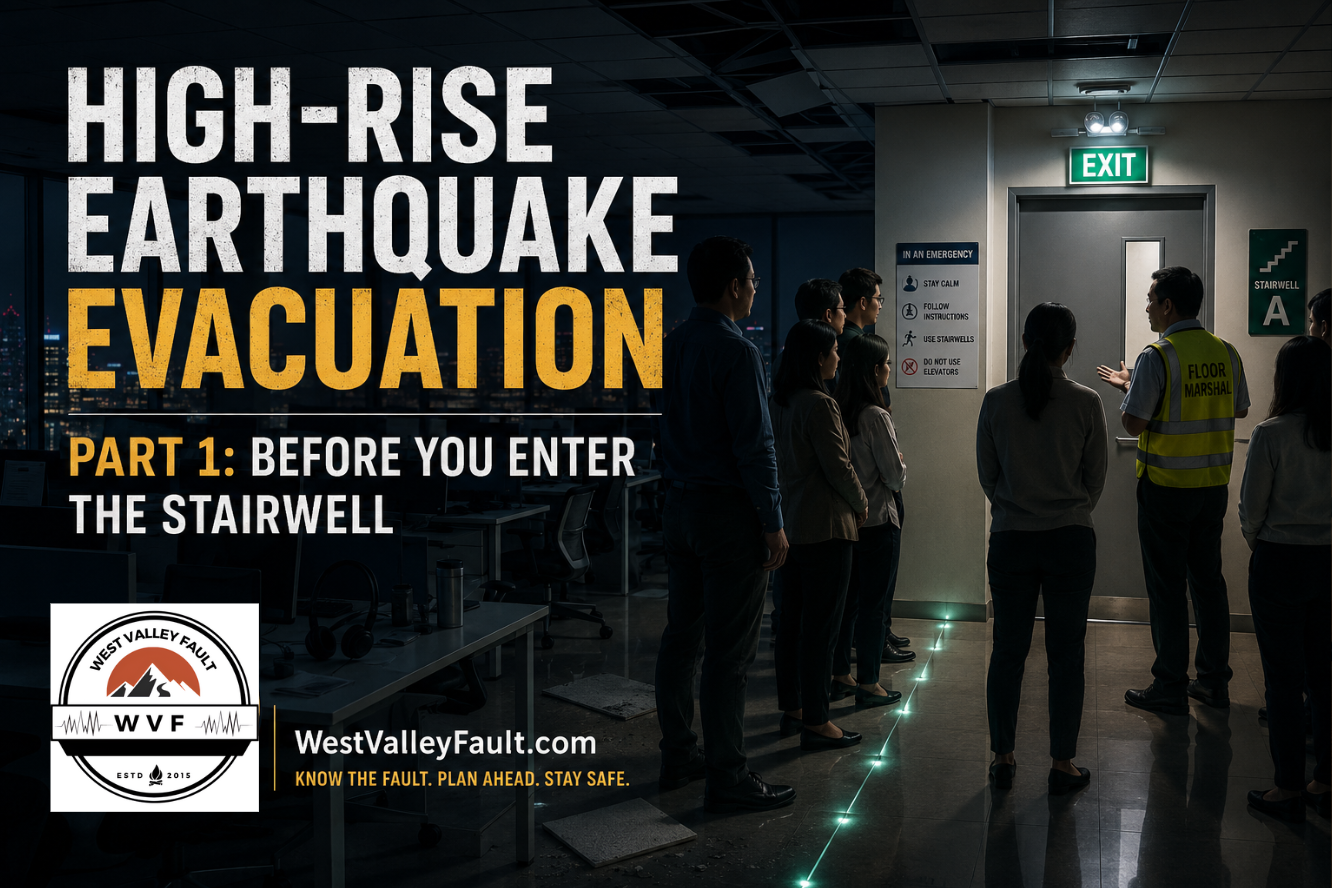
High-Rise Earthquake Evacuation, Part 1: Before BPO Workers Enter the Stairwell
When an earthquake stops, thousands of workers inside high-rise offices may instinctively head toward the stairs. But an immediate mass evacuation can introduce new dangers if stairwells, exits, façades and surrounding areas have not been assessed. Part 1 of this WestValleyFault.com series examines the critical decisions that should occur before BPO employees leave their floors and enter the evacuation system.
Read the full Special Report: https://westvalleyfault.com/2026/07/30/high-rise-earthquake-evacuation-bpo-workers-part-1/
Check our latest Special Reports for deeper insights into earthquake hazards, preparedness, and resilience in the Philippines, and return next week for the next edition of the WestValleyFault.com Weekly Earthquake & Preparedness Intelligence Report.
Turn Earthquake Awareness Into Action

Reading about stronger building standards and community preparedness is important—but your household also needs a plan.
The free West Valley Fault Earthquake Quick Start Guide walks you through the essential first steps for preparing your family, home and emergency supplies for a major earthquake.
Already completed the Quick Start Guide? Take the next step with the Family Emergency Planner and organize your household’s communication, evacuation and emergency arrangements.
Recommended Further Reading
- How the Big One Could Affect Makati
- Earthquake Preparedness for Businesses and Industries
- Discover the Safest Places in the Philippines: Earthquake-Free Zones
- Preparing for the Big One: Essential Earthquake Survival Kit for Filipinos
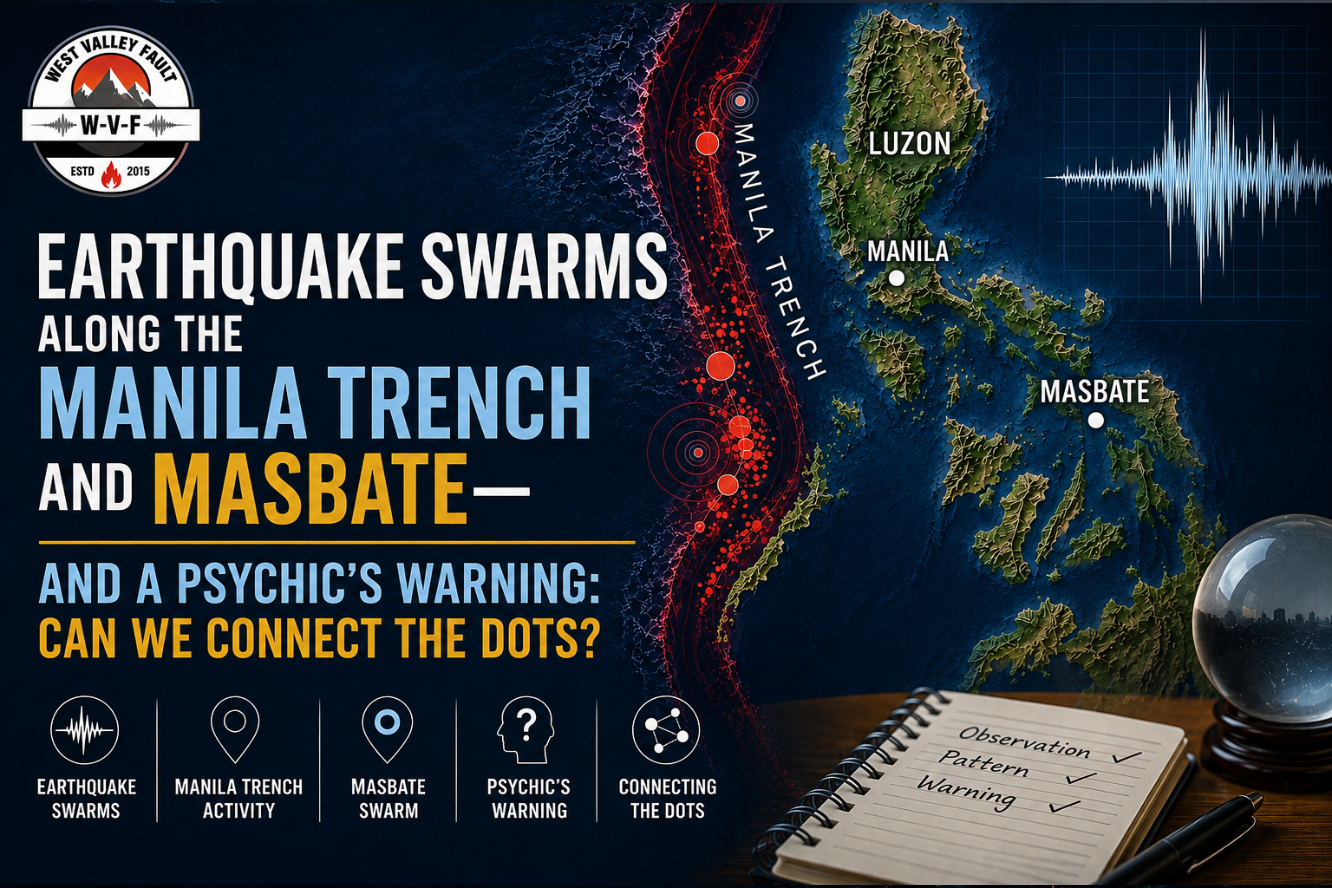
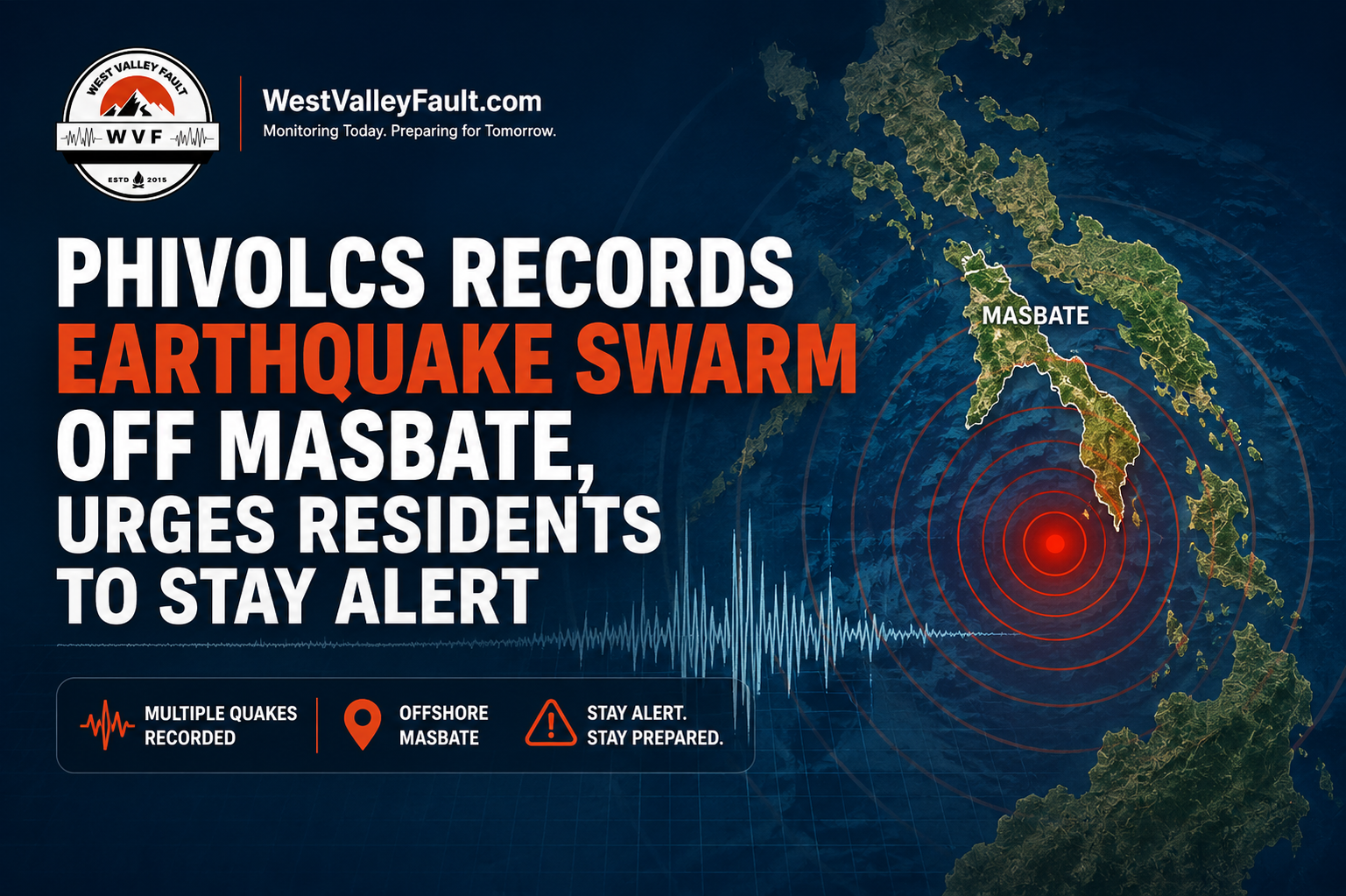
- Earthquake Swarms Along the Manila Trench and Masbate—and a Psychic’s Warning: Can We Connect the Dots?
References
Top Developments
- Manila Bulletin
“DTI Urged to Fast-Track Earth-Safe Steel Rules as Quake Risks Surge”
https://mb.com.ph/2026/07/27/dti-urged-to-fast-track-earth-safe-steel-rules-as-quake-risks-surge - Malaya Business Insight
“PISI Seeks Quick Ban on Substandard Steel After Recent Quake Disasters”
https://malaya.com.ph/business/corporate/pisi-seeks-quick-ban-on-substandard-steel-after-recent-quake-disasters/ - The Philippine Star
“Faster Transition to Stricter Steel Rebar Standards Urged”
https://www.philstar.com/business/2026/07/27/2544866/faster-transition-stricter-steel-rebar-standards-urged - Journal News Online
“Rep. Momo Thanks PBBM for Prioritizing New PH Building Law”
https://journalnews.com.ph/rep-momo-thanks-pbbm-for-prioritizing-new-ph-building-law/ - Rappler
“Marcos Jr. Recovery and Growth Commitments for Disaster-Affected Visayas and Mindanao in SONA 2026”
https://www.rappler.com/philippines/marcos-jr-recovery-growth-visayas-mindanao-disaster-sona-2026/
Government Preparedness
- Journal News Online
“Rep. Momo Thanks PBBM for Prioritizing New PH Building Law”
https://journalnews.com.ph/rep-momo-thanks-pbbm-for-prioritizing-new-ph-building-law/ - Rappler
“Marcos Jr. Recovery and Growth Commitments for Disaster-Affected Visayas and Mindanao in SONA 2026”
https://www.rappler.com/philippines/marcos-jr-recovery-growth-visayas-mindanao-disaster-sona-2026/ - OneNews
“Rocket Launch, Satellite-Derived Data Helpful in Disaster Management, Governance — PhilSA”
https://www.onenews.ph/articles/rocket-launch-satellite-derived-data-helpful-in-disaster-management-governance-philsa
Research & Monitoring
- OneNews
“Rocket Launch, Satellite-Derived Data Helpful in Disaster Management, Governance — PhilSA”
https://www.onenews.ph/articles/rocket-launch-satellite-derived-data-helpful-in-disaster-management-governance-philsa
Infrastructure & Policy
- Manila Bulletin
“DTI Urged to Fast-Track Earth-Safe Steel Rules as Quake Risks Surge”
https://mb.com.ph/2026/07/27/dti-urged-to-fast-track-earth-safe-steel-rules-as-quake-risks-surge - Malaya Business Insight
“PISI Seeks Quick Ban on Substandard Steel After Recent Quake Disasters”
https://malaya.com.ph/business/corporate/pisi-seeks-quick-ban-on-substandard-steel-after-recent-quake-disasters/ - The Philippine Star
“Faster Transition to Stricter Steel Rebar Standards Urged”
https://www.philstar.com/business/2026/07/27/2544866/faster-transition-stricter-steel-rebar-standards-urged - Journal News Online
“Rep. Momo Thanks PBBM for Prioritizing New PH Building Law”
https://journalnews.com.ph/rep-momo-thanks-pbbm-for-prioritizing-new-ph-building-law/
Community Preparedness
- Daily Tribune
“Laoag City Conducts Simultaneous Earthquake Drills in Schools”
https://tribune.net.ph/2026/07/30/laoag-city-conducts-simultaneous-earthquake-drills-in-schools
Earthquake Activity This Week
- DOST–PHIVOLCS, Seismological Observation and Earthquake Prediction Division
“PHIVOLCS Latest Earthquake Information”
https://earthquake.phivolcs.dost.gov.ph/ - Manila Bulletin
“Magnitude 5.6 Quake Jolts Quezon Province” — subsequently revised to magnitude 5.0
https://mb.com.ph/2026/07/29/56-magnitude-quake-jolts-quezon-province - Philippine News Agency
Report on the magnitude 5.0 Quezon and magnitude 5.3 Catanduanes earthquakes
https://www.pna.gov.ph/articles/1280647













Leave a Reply