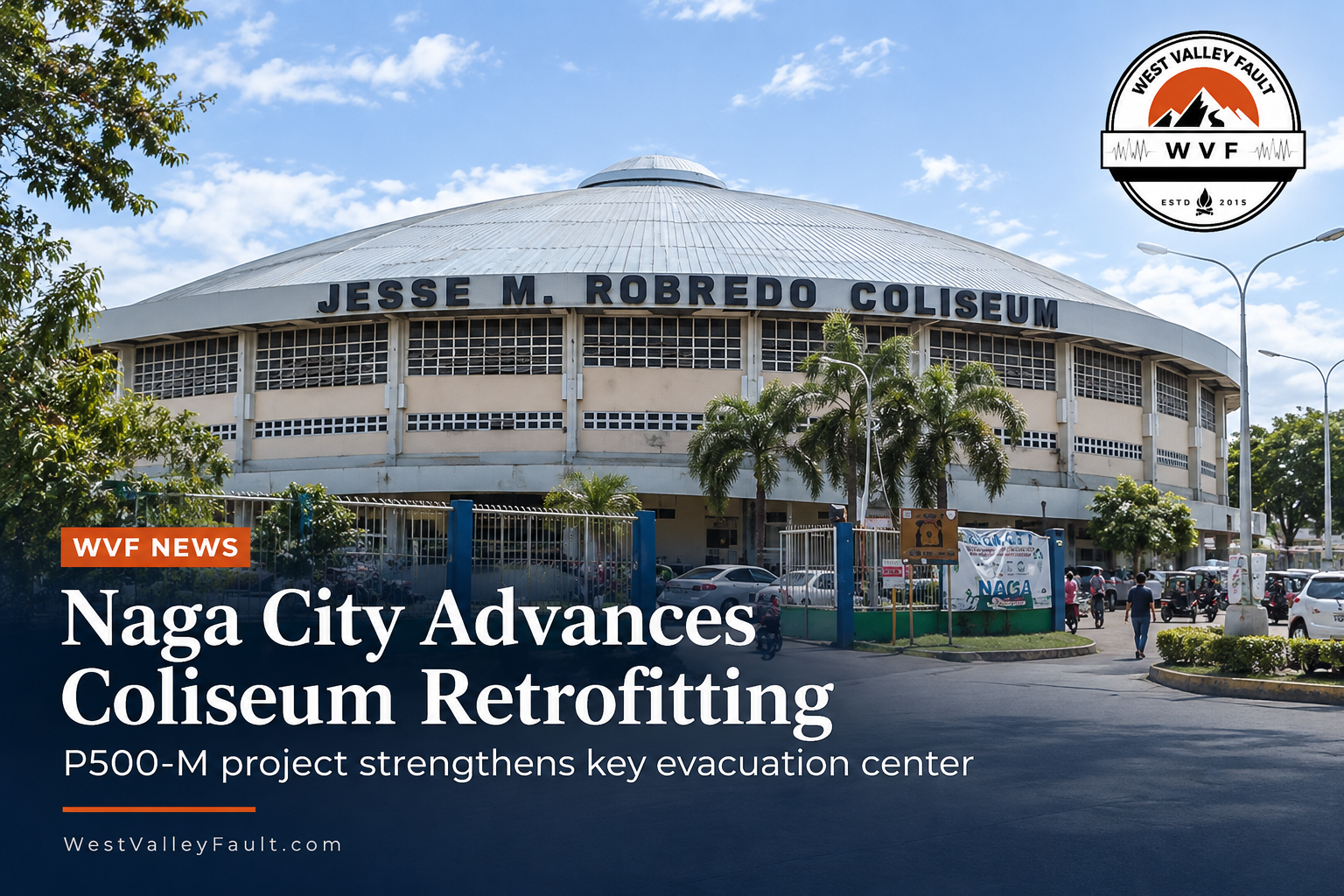
NAGA CITY — Naga City is moving closer to the rehabilitation and retrofitting of the Jesse M. Robredo Coliseum, with the P500-million disaster-resilience project now in the post-qualification stage of procurement and construction targeted to begin in October.

Mayor Leni Robredo said on September 21 that the project grew out of the city’s experience using the coliseum as its largest evacuation facility despite the building having been designed primarily as an events venue. The city formally sought national support in November 2025 after earlier disasters exposed limitations in prolonged shelter use, and the Naga City Council subsequently endorsed the request.
Robredo said the national funding package covers P450 million for repair and rehabilitation of the coliseum and P50 million for heavy equipment intended to strengthen the city’s disaster-response capability. Earlier national government releases described the project as a major retrofitting and modernization effort for the facility.
What the retrofit will add
The planned work includes structural strengthening, roofing and drainage improvements, upgraded sanitation facilities, a community kitchen capable of supporting large numbers of evacuees, and dedicated medical-response areas.
The city’s 2025 resolution supporting the project also identified improvements to power, ventilation, toilets and washing facilities, along with reconfiguration intended to make the coliseum more suitable for prolonged evacuation use.

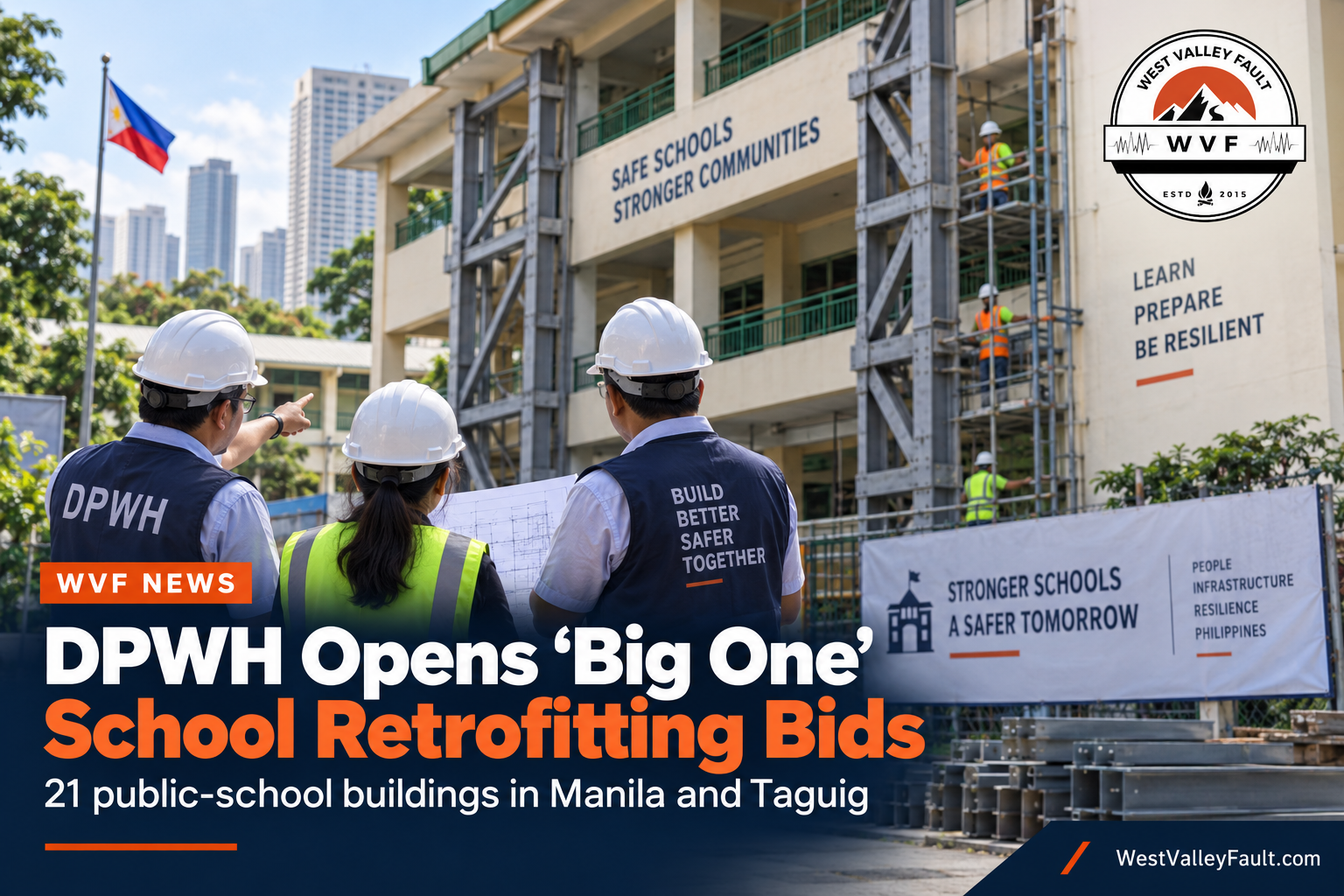
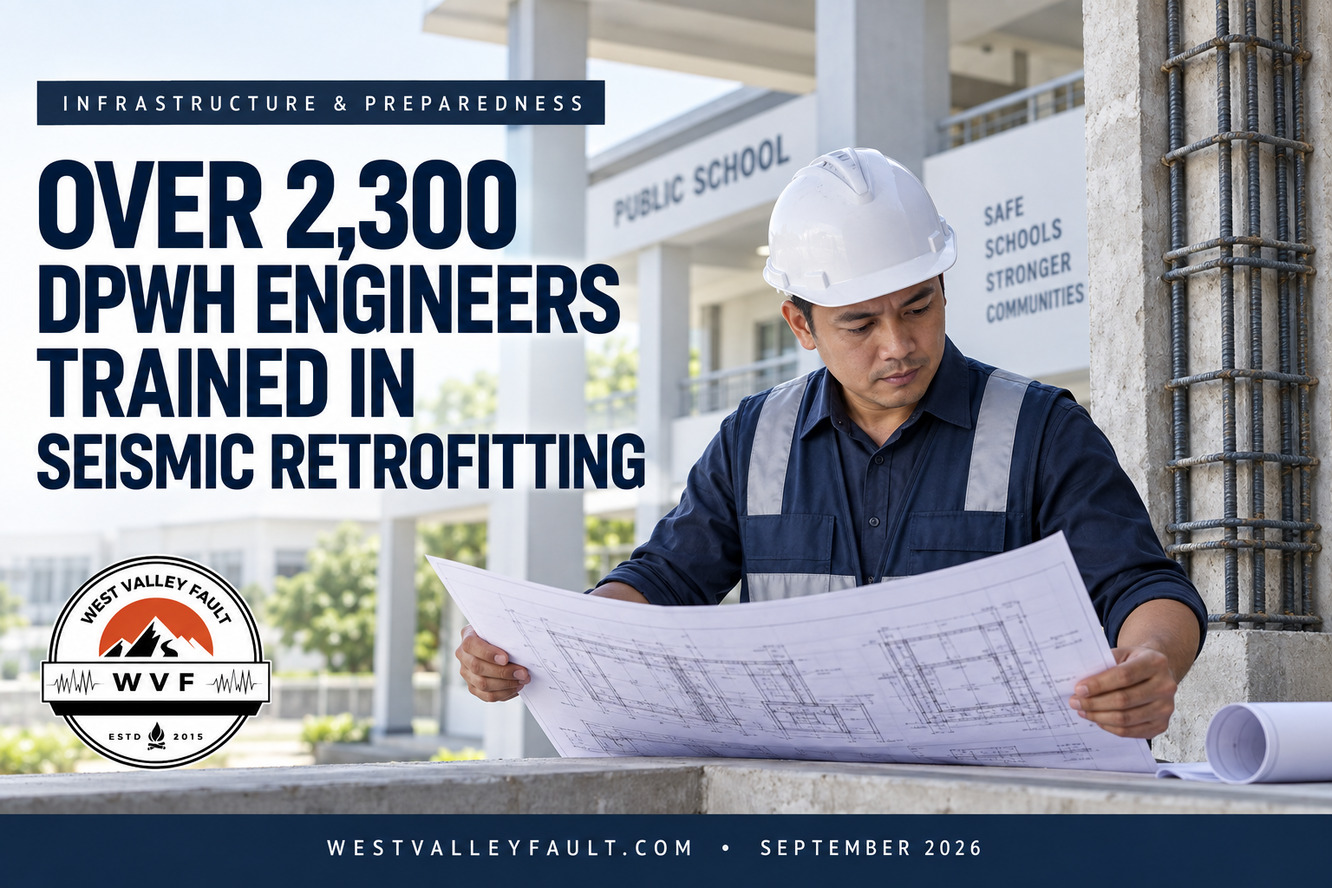
The project fits a broader shift toward strengthening public facilities before disasters occur. WVF recently reported on new seismic-retrofitting bids for 21 public-school buildings in Manila and Taguig, as well as the earlier training of more than 2,300 DPWH engineers in seismic retrofitting of public buildings.
Why it matters for earthquake preparedness
Evacuation planning depends not only on knowing where people should go, but also on whether the receiving facility can remain safe, functional and habitable after a disaster. Structural strengthening, sanitation, medical-response space, drainage and mass-feeding capability can all become critical when a public venue is converted into a temporary shelter.
That same principle is behind other local preparedness measures, including Quezon City’s requirement for evacuation plans in government buildings located in earthquake-hotspot barangays.
Robredo said offices currently operating inside the coliseum must first be transferred to the Balatas Building. She said the project is in post-qualification and that the city is aiming for construction to begin in October.
Don’t Just Follow the Earthquake News. Get Ready.
Earthquake news tells you what happened. Preparation determines what happens next for your family.

Get the FREE WVF Earthquake Preparedness Quick Start Guide for practical first steps you can take at home.
Free PDF. No spam. Unsubscribe anytime.
Recommended Further Reading
- DPWH Opens ‘Big One’ Retrofitting Bids for 21 Public School Buildings in Manila and Taguig
- More Than 2,300 DPWH Engineers Trained in Seismic Retrofitting of Public Buildings
- Quezon City Requires Evacuation Plans for Government Buildings in 24 Earthquake-Hotspot Barangays
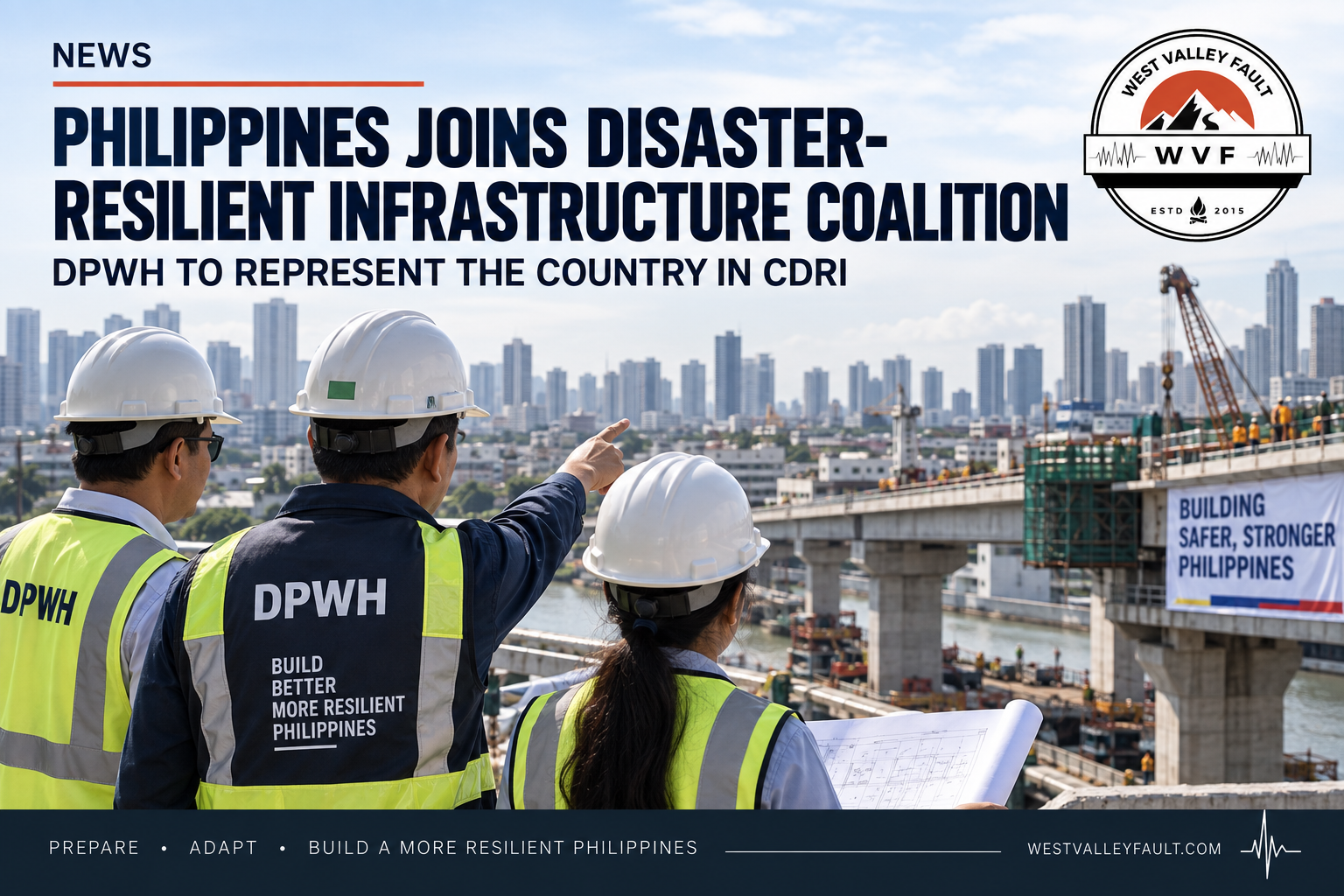
- Philippines Joins Disaster-Resilient Infrastructure Coalition, With DPWH Representing the Country
Sources
- Philstar.com — September 21, 2026 update on the project timeline, funding split and procurement status
- Philippine News Agency — September 17, 2026 background on the 2025 safety request and project scope
- Philippine News Agency — February 21–22, 2026 report on the P500-million turnover and planned upgrades
- Presidential Communications Office — February 21, 2026 project scope and SARO turnover
- Naga City Resolution No. 2025-751 — endorsement of the November 2025 retrofitting request













Leave a Reply