Week of Aug 1 – 7, 2026
Focus: Earthquake Activity & Public Preparedness
Issue #007
Executive Summary
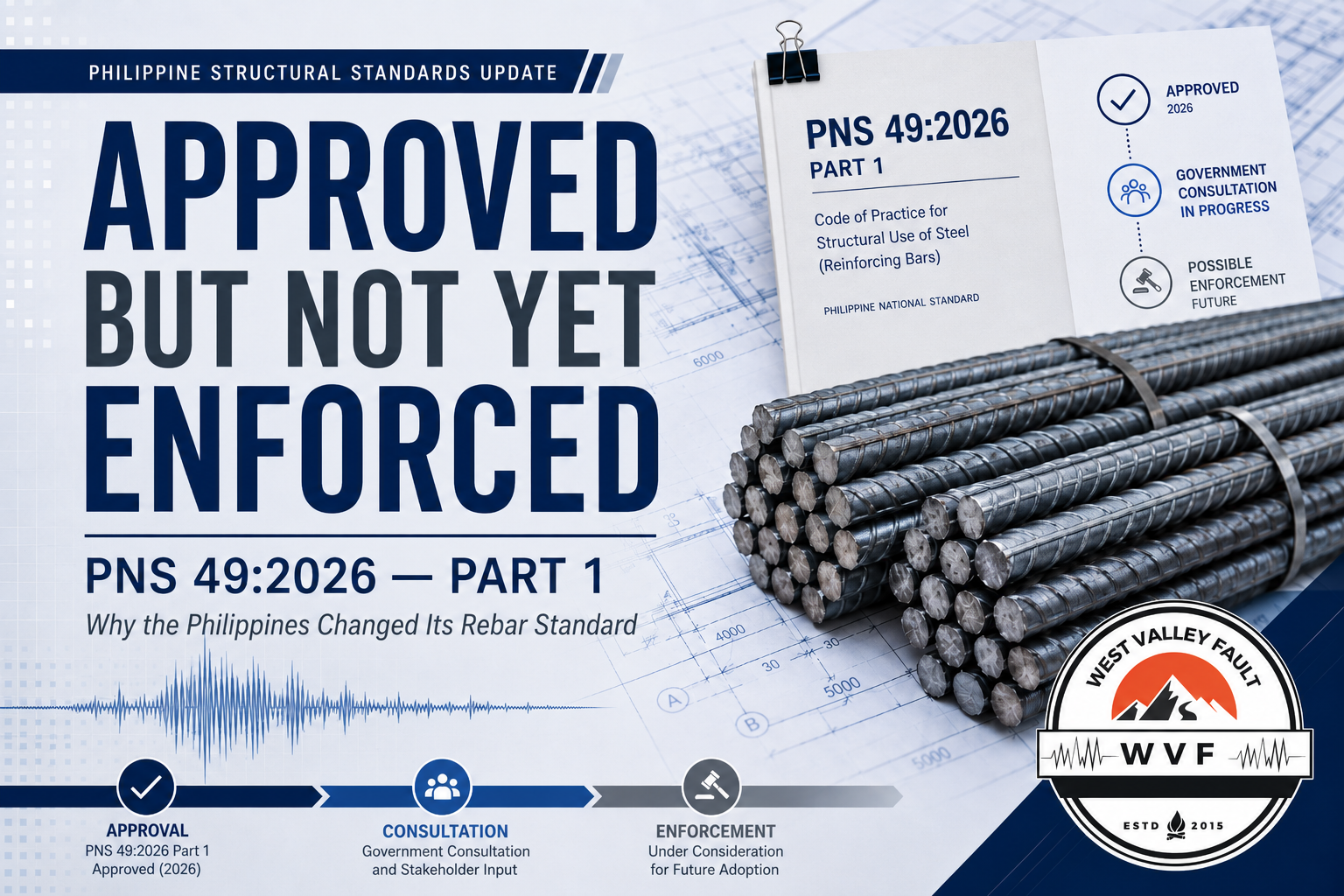
Philippine disaster preparedness this week reflected a continuing shift from awareness toward the systems that determine whether communities can withstand and respond to major hazards. Legislative efforts to overhaul the country’s building regulations remained in focus, while Davao Oriental officials called for the assessment and retrofitting of public buildings to improve their ability to withstand strong earthquakes. At the same time, a proposed $500-million domestic subsea fiber-optic network introduced another dimension to resilience: communications infrastructure that could also serve as a continuous sensing system for earthquakes and tsunamis.
Preparedness efforts were also visible at the local and community levels. DOST-PHIVOLCS strengthened tsunami preparedness initiatives in Borongan, while private-sector programs continued to promote disaster readiness and more inclusive approaches to emergency preparedness. Together, these developments underscore that resilience depends on several systems working together — sound regulations, safer structures, effective monitoring, capable local governments, and communities that know how to respond.
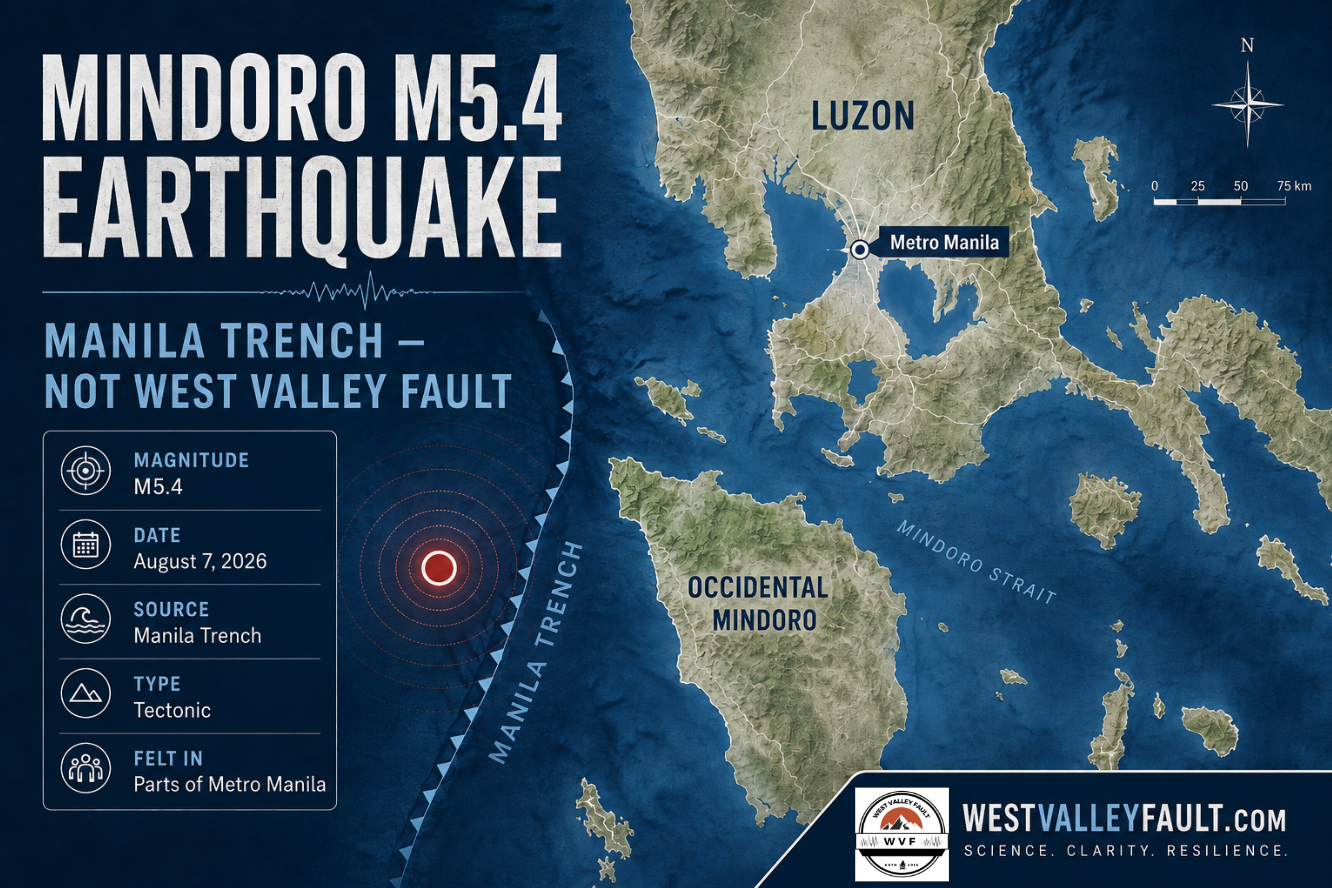
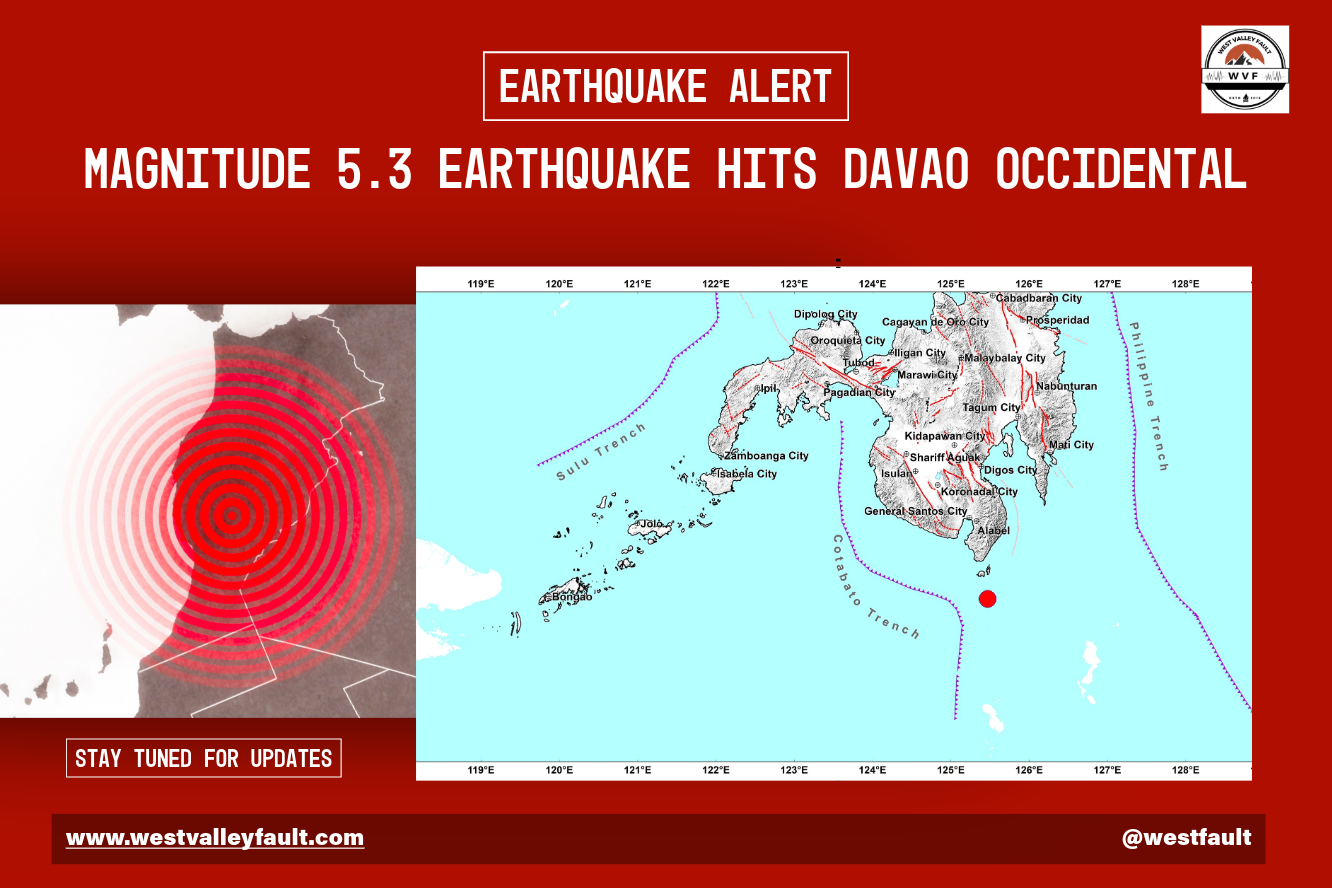
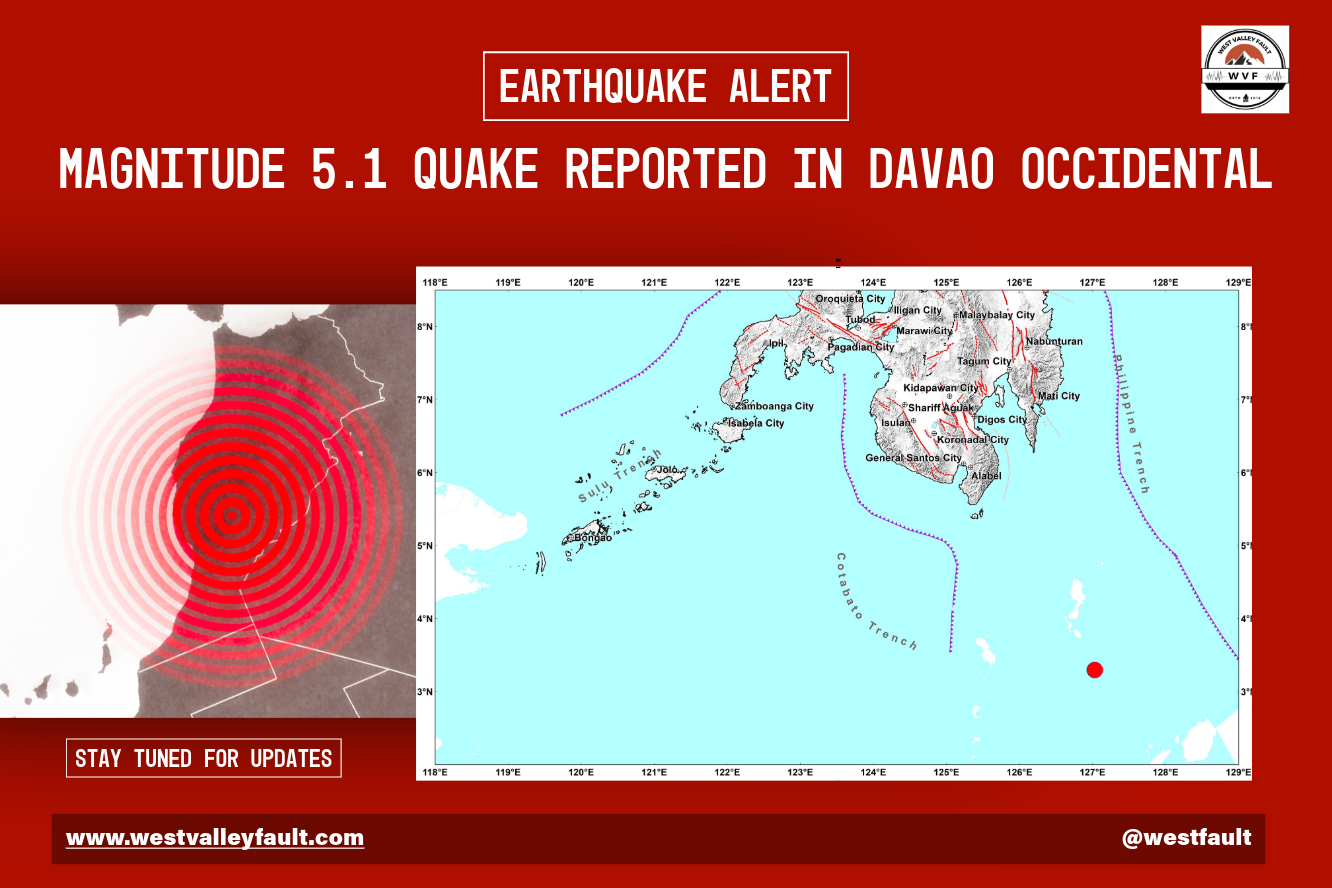
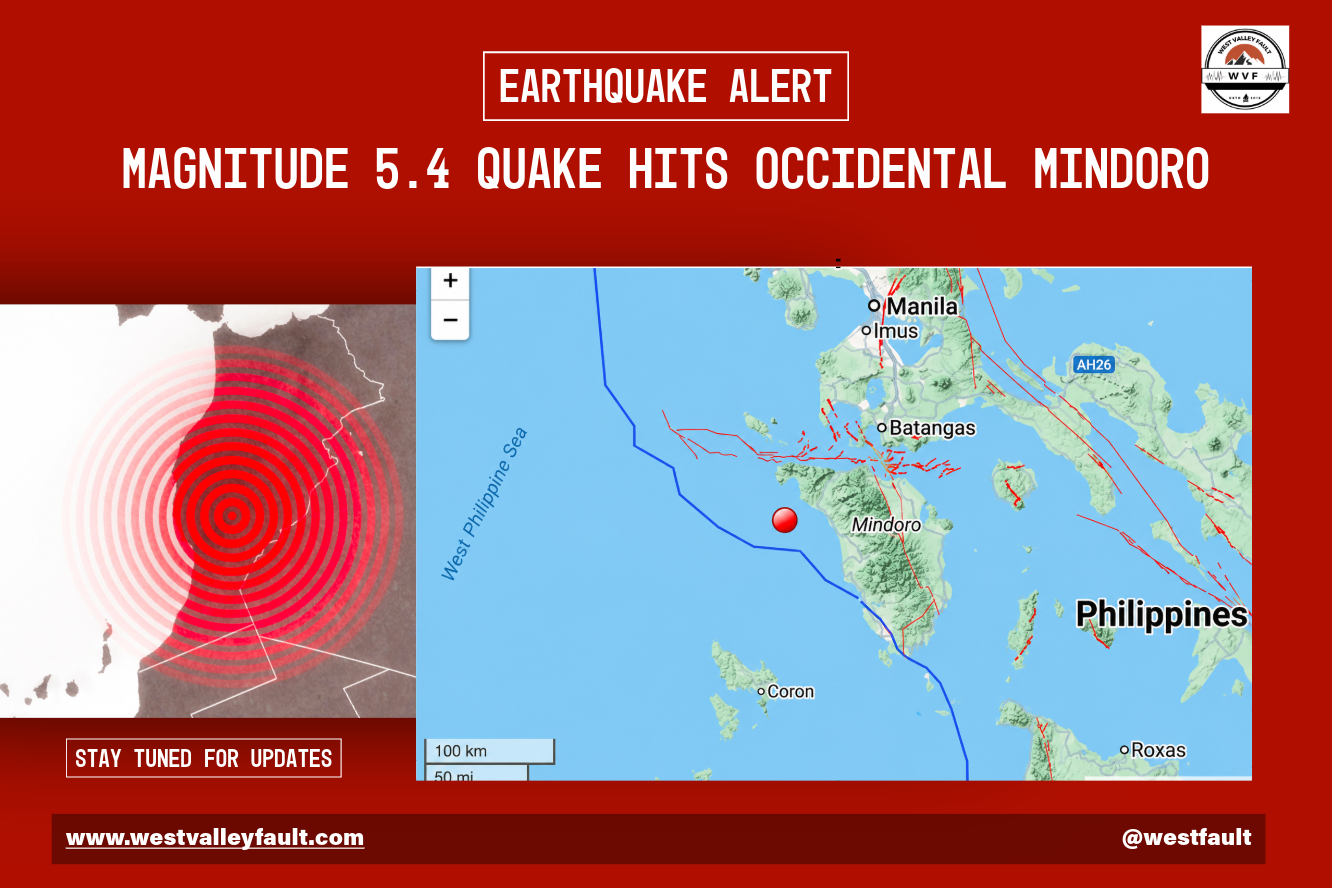
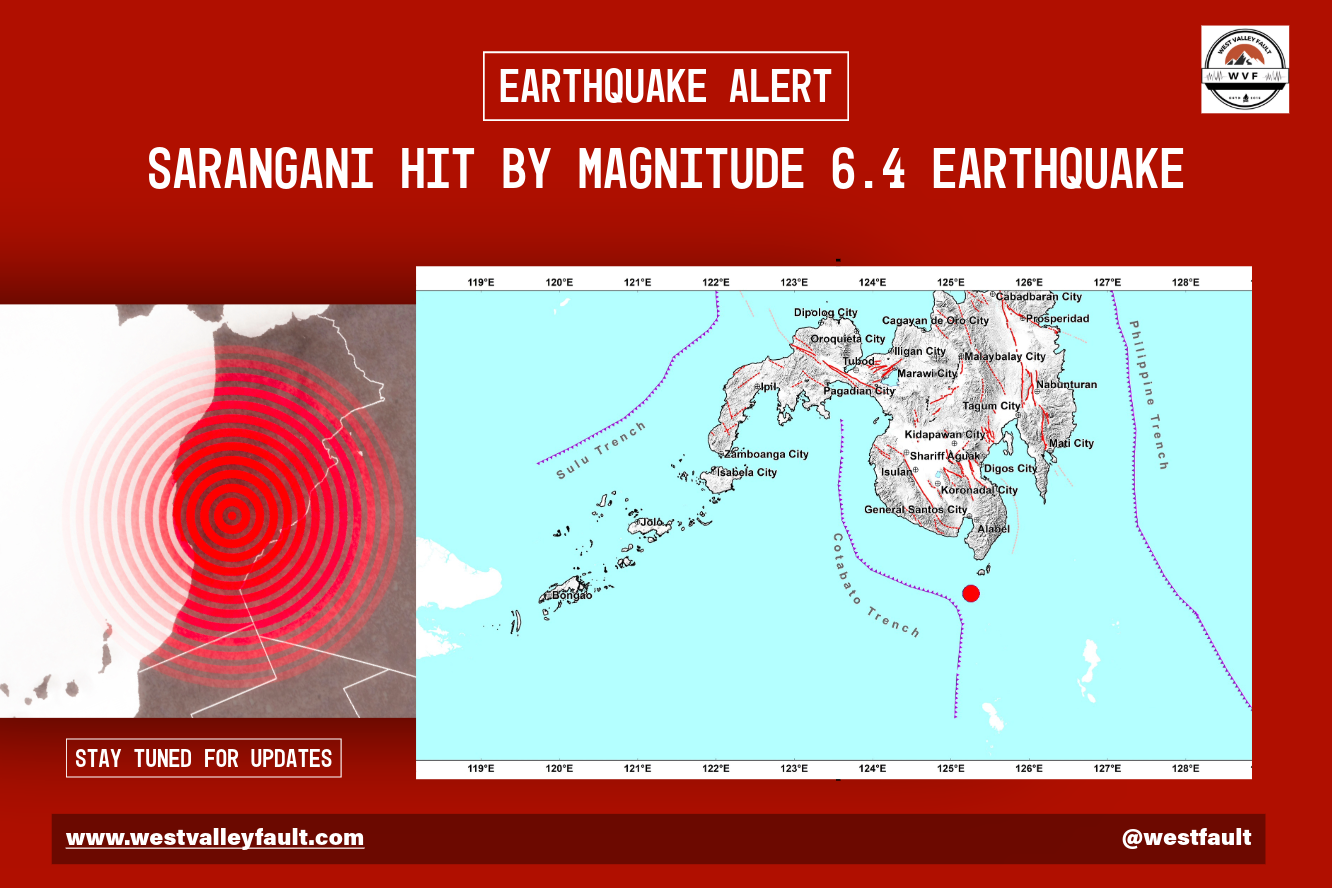
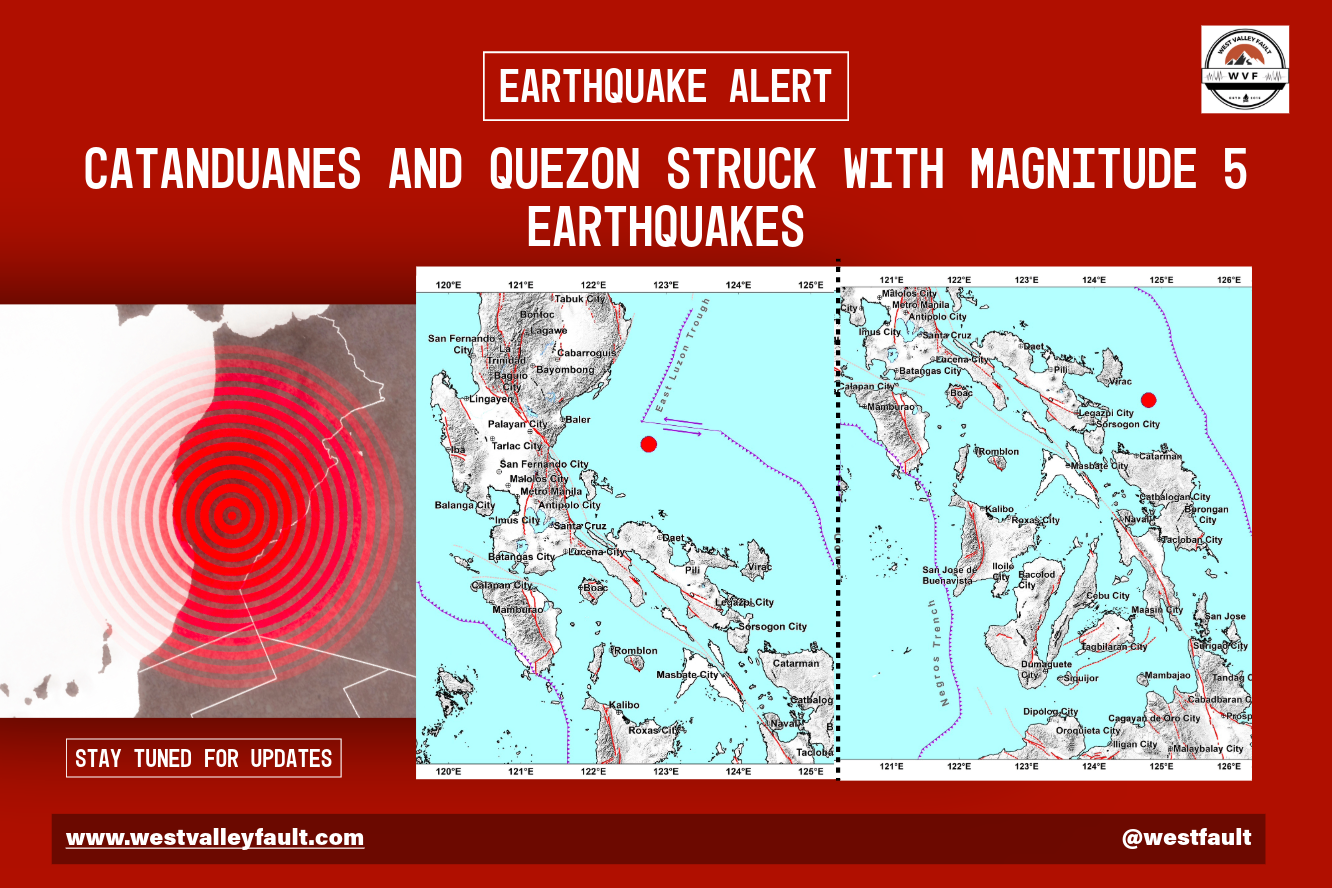
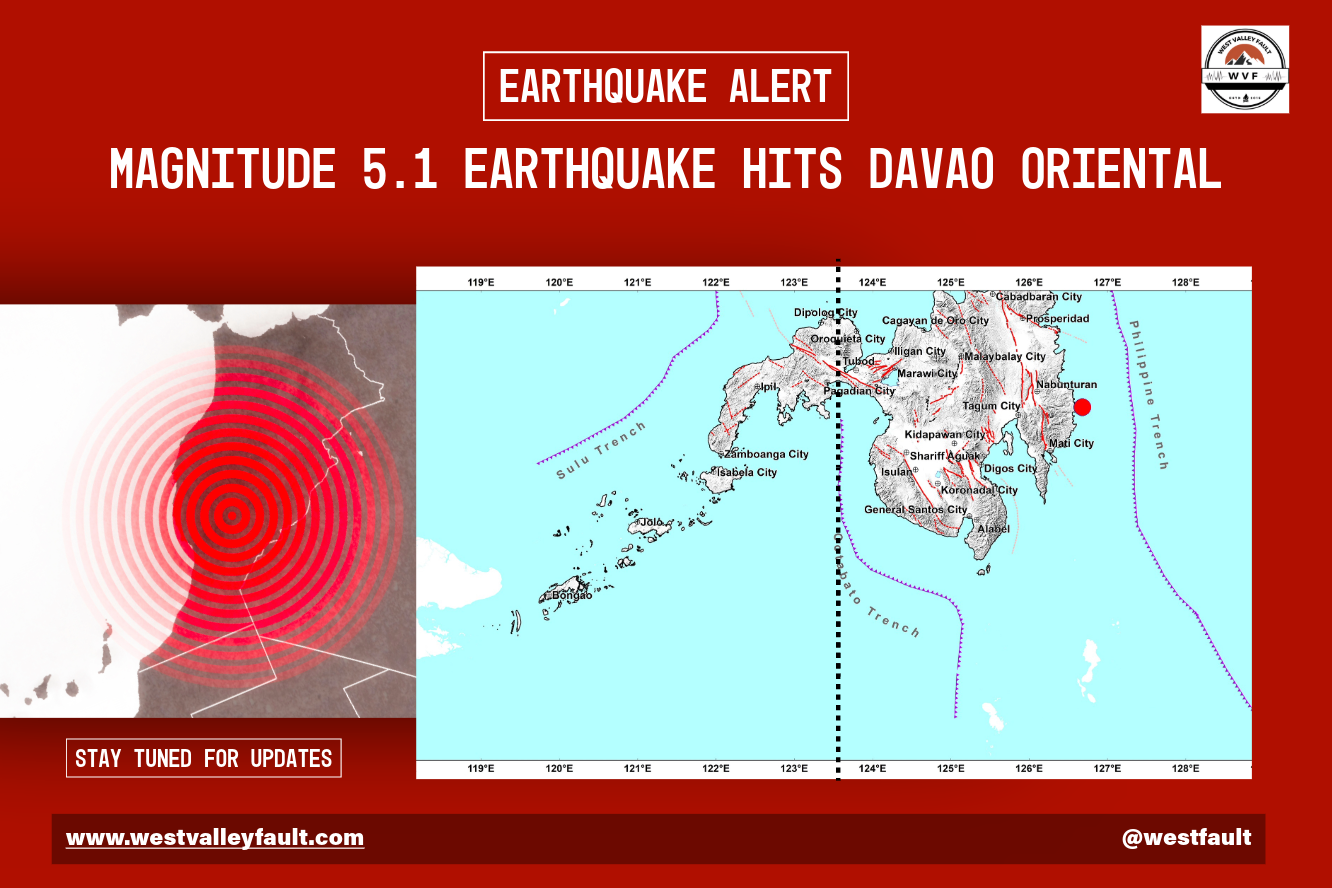
The week’s seismic activity provided an immediate reminder of why those investments matter. PHIVOLCS recorded four earthquakes of Magnitude 5.0 or greater during the August 1–7 reporting period, led by a shallow Magnitude 6.4 earthquake located southwest of Balut Island, Davao Occidental, on August 5. Three other M5+ earthquakes were recorded during the remainder of the week, including a Magnitude 5.4 event near Mamburao, Occidental Mindoro. The earthquake monitor alone does not establish that the events near Davao Occidental were related, and this report makes no such inference.
Taken collectively, this week’s developments point to a broader preparedness lesson: earthquake resilience is not created by any single project or policy. It comes from strengthening the entire chain — from the rules governing buildings and the infrastructure monitoring hazards to the institutions and communities expected to act when a disaster occurs.
Before you read further — do you know your property’s actual risk?

Download the free Home Buyer’s Earthquake Risk Guide to check your specific location against active faults, liquefaction zones, and building safety factors. It takes five minutes and doesn’t require a subscription.
Small disclaimer: This checklist is an educational screening tool—not an official hazard assessment or guarantee of safety.

Subscribe to continue reading
Subscribe to get access to the rest of this post and other subscriber-only content.