

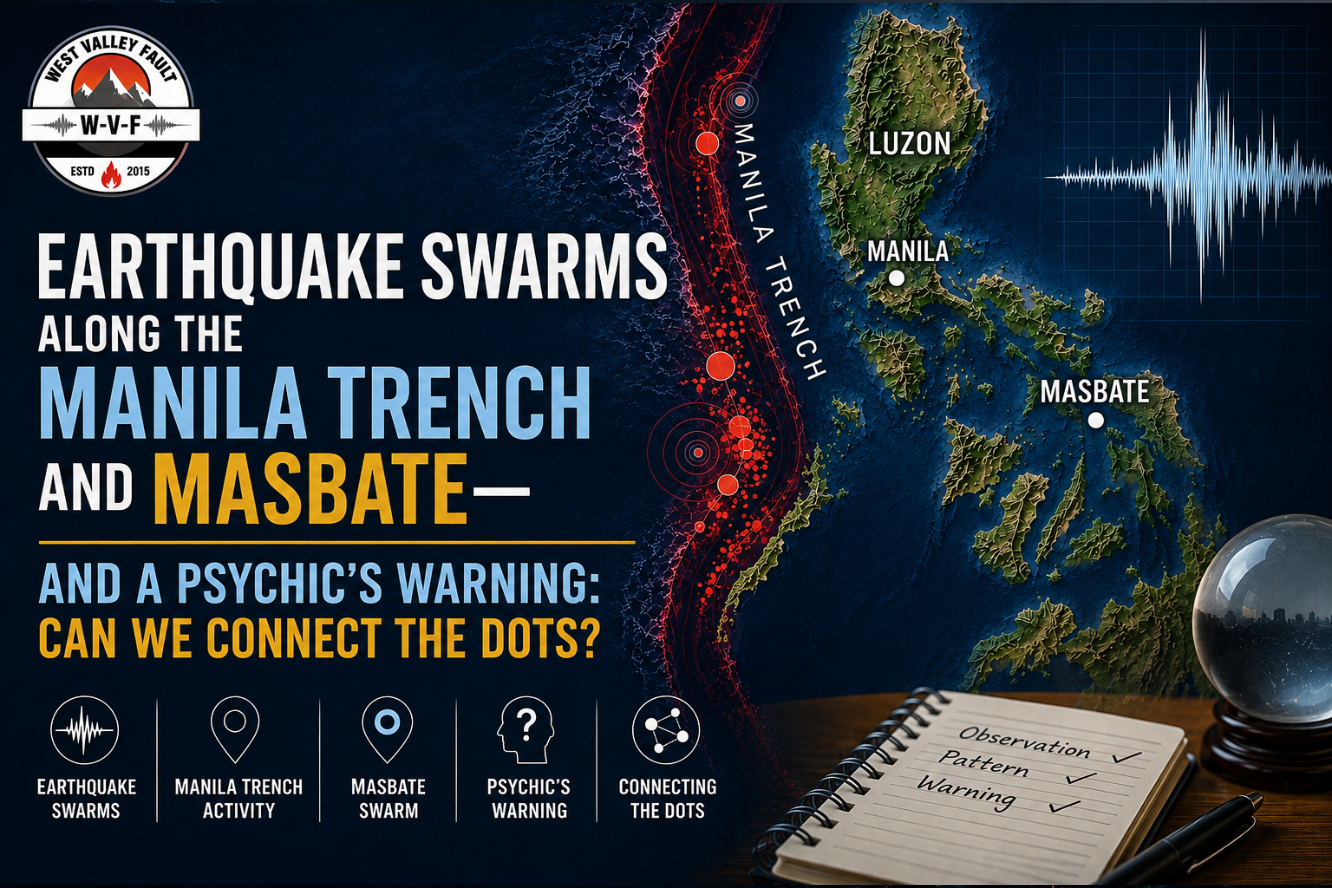
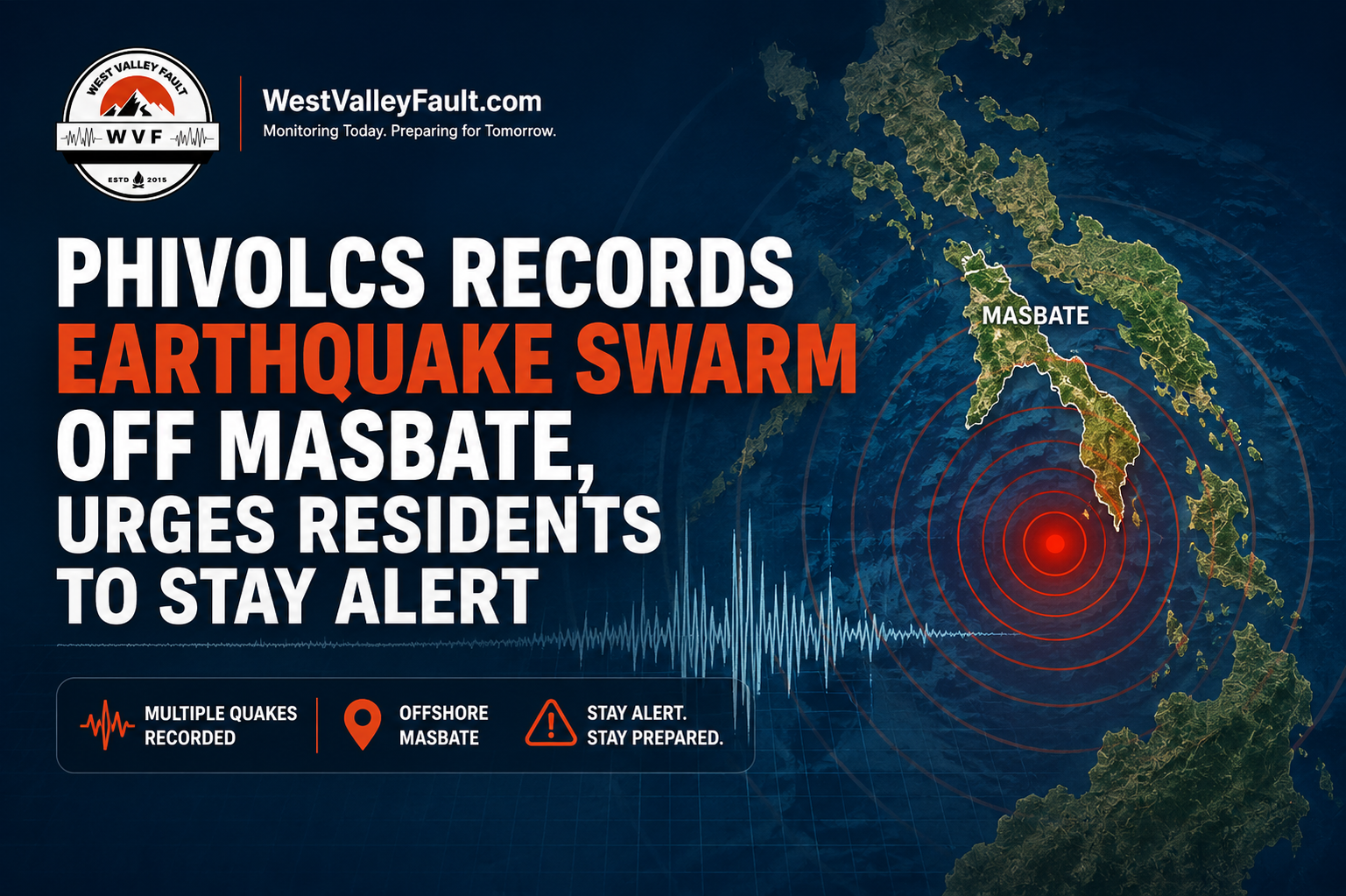
A series of small earthquakes occurring offshore western Luzon has sparked widespread discussion on social media, with many posts claiming that 152 earthquakes have already been recorded along the Manila Trench.
The number is real.
According to ABS-CBN News, citing PHIVOLCS Director Teresito Bacolcol, the agency had recorded 152 earthquakes along the Manila Trench as of 5:00 a.m. Thursday. PHIVOLCS has not yet released a standalone public bulletin confirming that figure on its official website or social media channels.
For many Filipinos, especially those living along the western coast of Luzon, the figure is understandably alarming. The Manila Trench is one of the country’s most significant offshore subduction zones and is capable of producing powerful earthquakes and tsunamis.
But does this earthquake swarm mean that a devastating earthquake is about to happen?
The short answer is no—not based on the evidence currently available.

What We Know
PHIVOLCS has confirmed that numerous earthquakes have been occurring offshore western Luzon along the Manila Trench.
Most of these earthquakes have been relatively small and occurred at varying depths, consistent with tectonic movement along an active subduction zone.
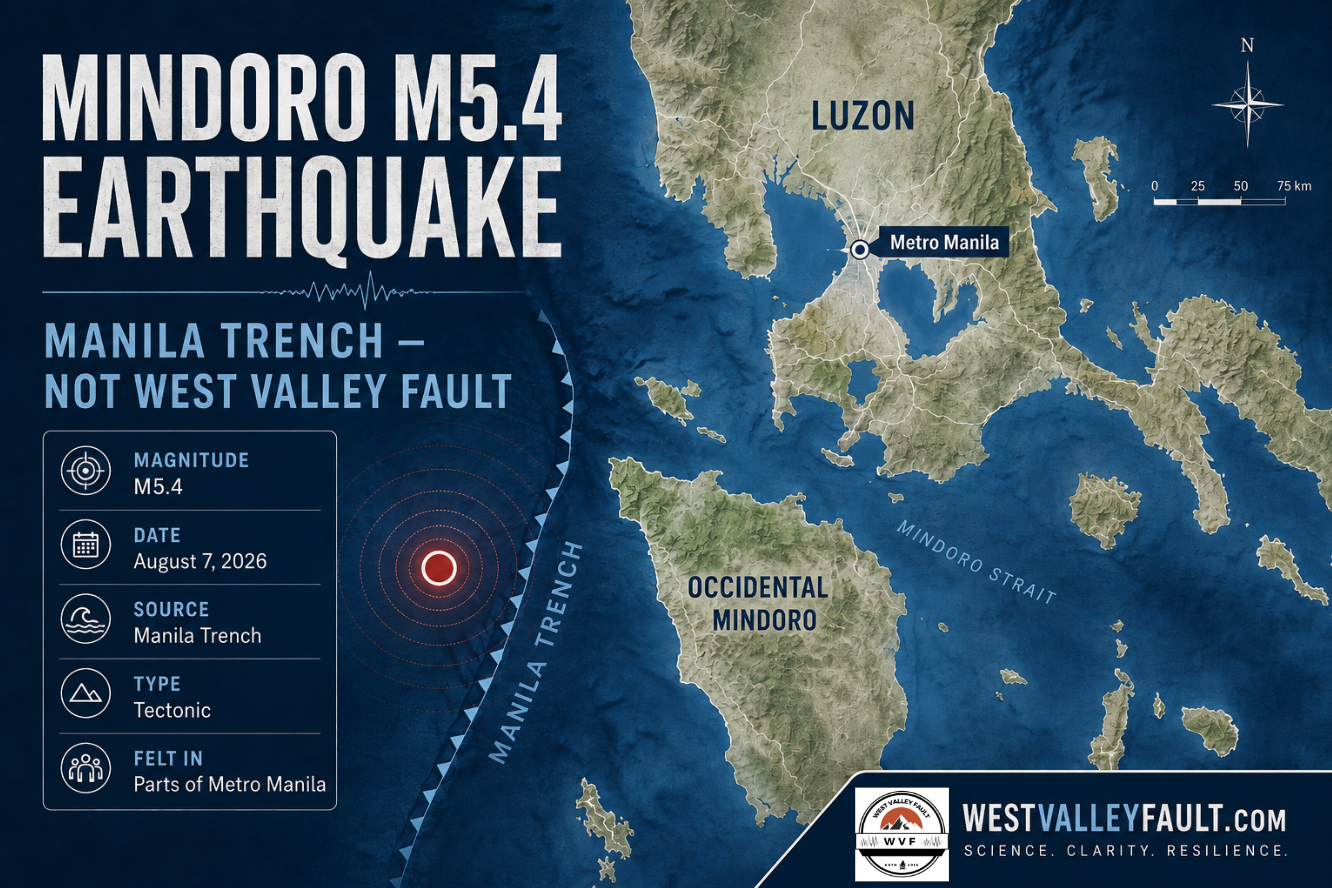
The Manila Trench extends west of Luzon and Mindoro where the Sunda Plate is slowly diving beneath the Philippine Mobile Belt. This ongoing plate movement naturally produces earthquakes as stress is gradually released beneath the seafloor.
Earthquake swarms are not uncommon in tectonically active regions around the world.
What PHIVOLCS Has Not Said
This is where many social media posts become misleading.
Despite confirming the earthquake swarm, PHIVOLCS has not announced that:
- The Philippines is about to experience “The Big One.”
- A major earthquake has become imminent.
- Residents should expect a destructive earthquake within days.
- The current swarm is a confirmed precursor to a larger event.
Earthquake prediction remains beyond current scientific capability.
Around the world, scientists have observed many earthquake swarms that eventually subside without producing a major earthquake. Conversely, some large earthquakes have occurred with little or no recognizable warning.
Simply put, an earthquake swarm does not automatically translate into an impending major earthquake.
Why Scientists Continue to Watch the Manila Trench
Although today’s swarm should not be interpreted as a prediction, it is also not something scientists ignore.
The Manila Trench is considered one of the country’s most hazardous offshore fault systems because it is capable of generating:
- very large megathrust earthquakes,
- damaging ground shaking across western Luzon,
- and potentially destructive tsunamis affecting coastal communities.
PHIVOLCS has repeatedly explained that earthquakes exceeding Magnitude 8 remain possible along several active trenches surrounding the Philippines, including the Manila Trench.
The exact timing, however, remains unknowable.
This is a list of significant earthquakes that are related to the Manila Trench.

Previous Activity Shows This Isn’t the First Swarm
This is not the first time PHIVOLCS has monitored increased seismic activity in the area.
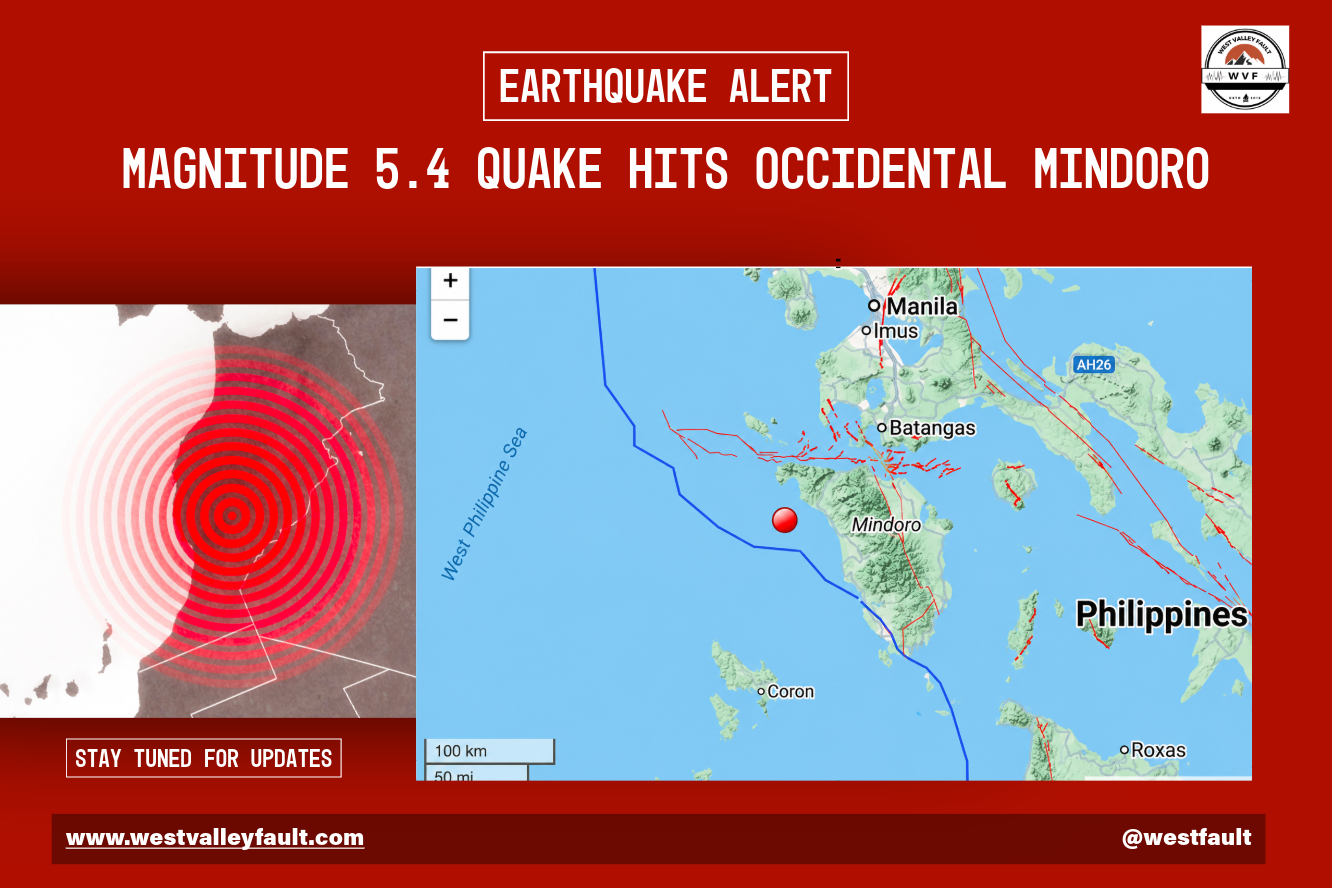
In late May, authorities also recorded more than twenty offshore earthquakes west of Pangasinan near the Manila Trench. Local disaster officials emphasized preparedness but noted that the earthquakes were not large enough to generate a tsunami.
Likewise, independent monitoring groups have observed additional low-magnitude events throughout June, illustrating that the region has remained seismically active for several weeks.
Should the Public Be Concerned?
Concern is understandable.
Panic is not helpful.
The best response is the same recommendation consistently made by PHIVOLCS:
- Review your family’s emergency plan.
- Prepare an emergency go bag.
- Know whether your community is inside a tsunami hazard zone.
- Follow only official advisories from PHIVOLCS, NDRRMC, and your local disaster offices.
- Avoid sharing unverified claims circulating on social media.
Preparedness should not depend on whether a major earthquake appears imminent.
The Philippines sits within the Pacific Ring of Fire, meaning significant earthquakes will continue to occur regardless of whether today’s swarm eventually fades away.
The Bottom Line
The reported 152 earthquakes along the Manila Trench are real and have been confirmed by PHIVOLCS.
However, the agency has not stated that these earthquakes are evidence that a catastrophic earthquake is imminent.
The Manila Trench remains one of the country’s most closely monitored seismic sources because of its long-term potential to generate major earthquakes and tsunamis—not because today’s earthquake swarm proves one is about to occur.
As scientists continue monitoring the area, preparedness—not speculation—remains the most effective response.
Being prepared removes doubts.

Take the next step in your preparedness journey.
Download the FREE West Valley Fault™ Quick Start Guide and begin building your family’s emergency plan today.
Recommended Further Reading
- How the Proximity to the West Valley Fault Affects Property Values in 2026
- Historical Earthquakes in the Philippines
- The Big One Philippines: What Experts Say About the Next Metro Manila Earthquake.
- Preparing for the Big One: Essential Earthquake Survival Kit for Filipinos
- Ideas to Secure Your House Against Earthquakes: Simple Steps for Safety in the Philippines
Sources
- PHIVOLCS Official Website
- Philippine News Agency – Magnitude 8.2 possible along six active trenches
- Philippine Information Agency – Offshore tremors near Pangasinan
- ABS-CBN News report quoting PHIVOLCS Director on the 152 earthquakes








Leave a Reply